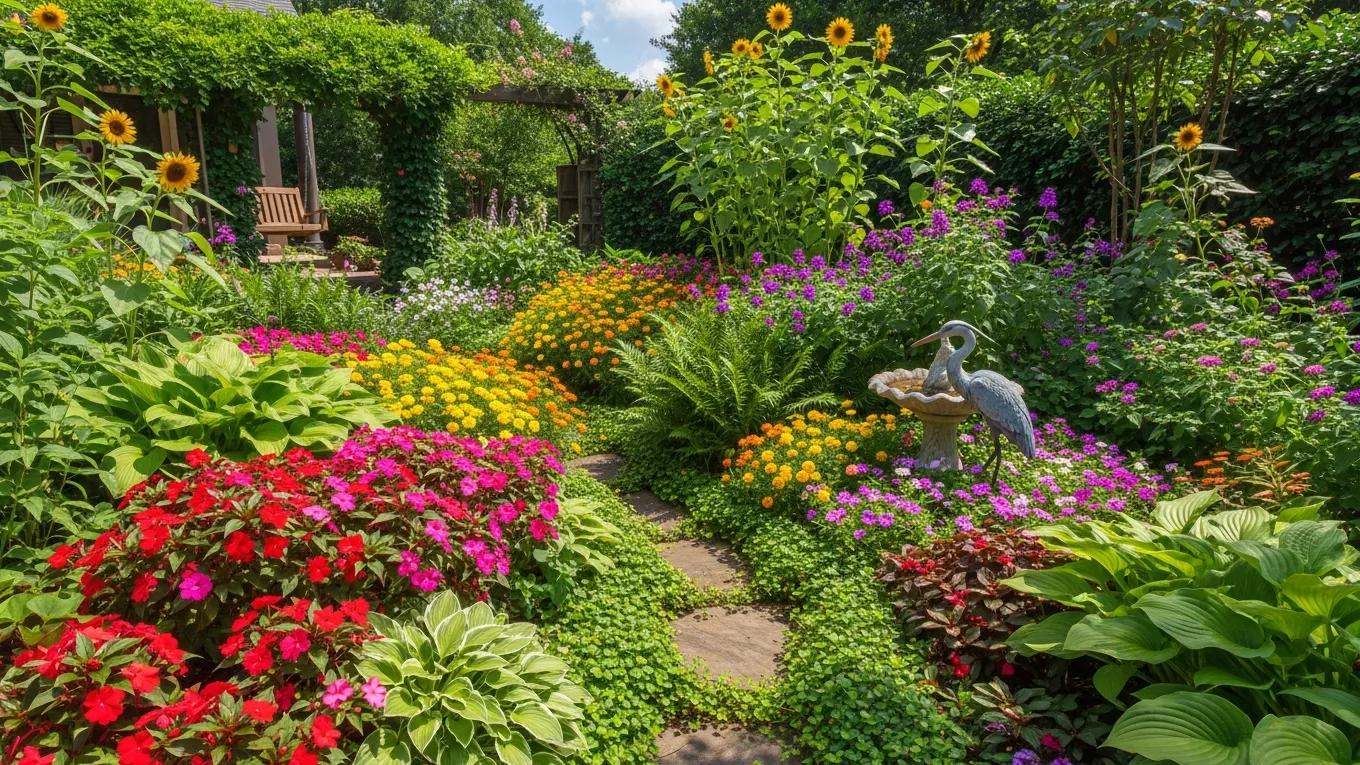
Atlanta summers can be tough on landscapes. Intense heat, high humidity, inconsistent rainfall, and prolonged sun exposure can quickly stress plants that aren’t suited to local conditions.
Without the right planning and care, even a healthy garden can struggle to maintain its color, growth, and overall appearance during the hottest months of the year.
A comprehensive summer guide for Atlanta garden landscaping focuses on selecting heat-resistant plants and using proven care strategies that help landscapes thrive despite challenging weather.
From drought-tolerant varieties and smart watering practices to mulching and seasonal maintenance, the right approach can make a significant difference in long-term plant health.
With thoughtful planning and proper care, homeowners can enjoy vibrant, resilient landscapes that continue to perform well throughout Atlanta’s demanding summer season.
Your Summer Guide to Thriving Atlanta Garden Landscapes
Heat-Resistant And Drought-Tolerant Plants For Atlanta Gardens
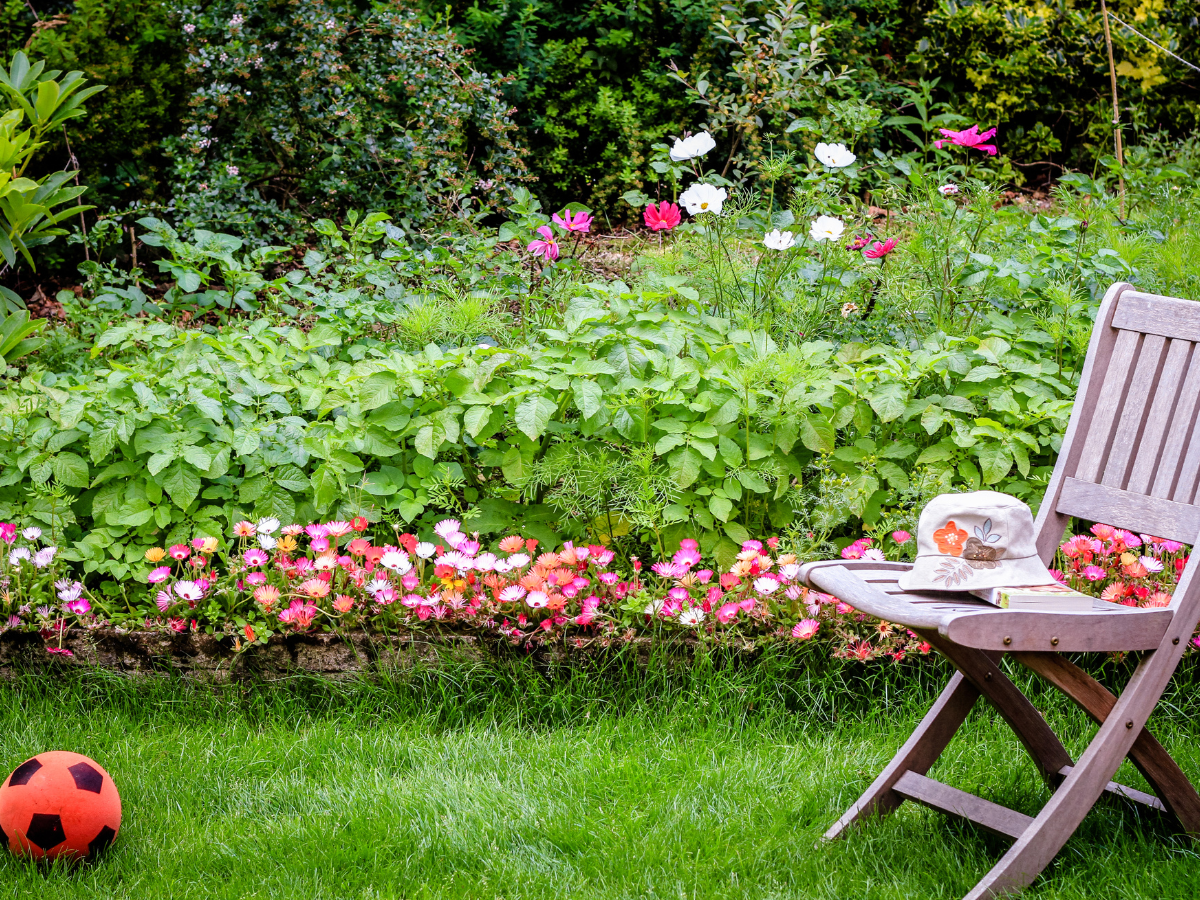
Choosing the right plants is one of the most important steps in creating a successful summer garden in Atlanta. Long periods of heat, strong sunlight, and occasional drought conditions can be challenging for many landscape plants.
Fortunately, there are numerous varieties that not only tolerate these conditions but thrive in them. A well-planned summer guide for Atlanta gardening should prioritize plants that are adapted to the region’s climate.
Heat-resistant, drought-tolerant, and native species generally require less water, fewer interventions, and less maintenance while still providing color, texture, and seasonal interest.
From flowering perennials to productive vegetables, selecting climate-appropriate plants can help create a landscape that remains attractive throughout the hottest months of the year.
Heat-Resistant Plants For Atlanta Gardens
Heat-resistant plants are specifically adapted to handle prolonged exposure to high temperatures and intense sunlight. Once established, many of these plants require relatively little supplemental watering, making them a practical choice for Atlanta landscapes.
Research into plant breeding continues to emphasize the importance of heat-tolerant varieties, particularly as warmer temperatures become more common. For home gardeners, choosing proven heat-resistant species is one of the simplest ways to improve long-term garden success.
Which Heat-Resistant Plants Thrive Best In Atlanta Summers?
Perennials are often among the most dependable performers during Atlanta summers. Because they return each year, they provide lasting value while reducing the need for seasonal replanting.
- Black-eyed Susan (Rudbeckia hirta) is a favorite for its bright yellow flowers and ability to attract pollinators. It performs well in full sun and continues blooming through much of the summer.
- Purple coneflower (Echinacea purpurea) is another reliable option. Known for its drought tolerance and pollinator-friendly blooms, it adds vibrant color while supporting local wildlife.
- Daylilies (Hemerocallis) are valued for their adaptability and extended blooming season. Available in numerous colors, they can tolerate heat and a range of soil conditions.
Annual flowers can also provide continuous summer color. Zinnias, marigolds, and petunias all perform well in Atlanta’s climate, offering bright blooms while handling hot weather better than many other seasonal flowers.
What Are The Top Drought Tolerant And Native Plant Species For Atlanta Gardens?
Native and drought-tolerant plants are particularly valuable because they are naturally adapted to regional conditions. These species often require less irrigation and provide important habitat for local pollinators and wildlife.
Purple coneflower remains one of the best native options due to its resilience and ecological benefits. Yaupon holly (Ilex vomitoria) is another excellent choice, offering year-round structure and strong drought tolerance once established.
Native flowering species can help create a landscape that remains visually appealing while reducing water consumption. As concerns about water conservation continue to grow, incorporating native plants has become an increasingly popular strategy for sustainable landscape design.
Shrubs such as rosemary (Rosmarinus officinalis) also perform exceptionally well in hot conditions. In addition to its ornamental appeal, rosemary provides culinary benefits and thrives in sunny locations with well-drained soil.
Heat-Tolerant Trees For Shade And Structure
Trees play a different role in the landscape by providing shade, reducing heat buildup, and creating long-term structure. Selecting species that tolerate Atlanta’s climate can improve both comfort and curb appeal.
- Southern live oak (Quercus virginiana) is one of the region’s most iconic trees. Once established, it handles drought well and provides substantial shade.
- Crape myrtle (Lagerstroemia indica) remains a popular choice because of its colorful summer blooms and ability to thrive in hot, sunny locations.
- Eastern red cedar (Juniperus virginiana) offers year-round greenery and strong drought resistance, making it useful for privacy screens and landscape accents.
Heat-Resistant Vegetables For Summer Harvests
Vegetable gardeners can also benefit from choosing crops that thrive in warm weather. While some vegetables struggle during periods of extreme heat, others perform exceptionally well.
Okra (Abelmoschus esculentus) is one of the most reliable summer vegetables in the South. It flourishes in high temperatures and produces consistently throughout the growing season.
Sweet potatoes (Ipomoea batatas) are another excellent choice. Their vigorous growth and drought tolerance make them well-suited to Atlanta’s summer conditions.
Many pepper varieties (Capsicum) also thrive in warm weather, producing abundant harvests while requiring relatively little maintenance once established.
How Do Plant Profiles Detail Scientific Names And Climate Adaptations?
Understanding plant profiles can help gardeners make more informed decisions when selecting landscape and garden plants. Scientific names provide precise identification and eliminate confusion that can occur with common names.
More importantly, plant profiles often include information about climate adaptations, sun requirements, drought tolerance, and mature size. These details help gardeners determine whether a particular species is suitable for their growing conditions.
As any good summer guide will emphasize, choosing plants based on their ability to handle local climate conditions is one of the most effective ways to create a healthy, resilient, and attractive landscape.
By focusing on heat-resistant and drought-tolerant species, Atlanta gardeners can enjoy vibrant gardens throughout the summer while reducing water use and ongoing maintenance.
Soil Preparation, Mulching, And Heat Protection
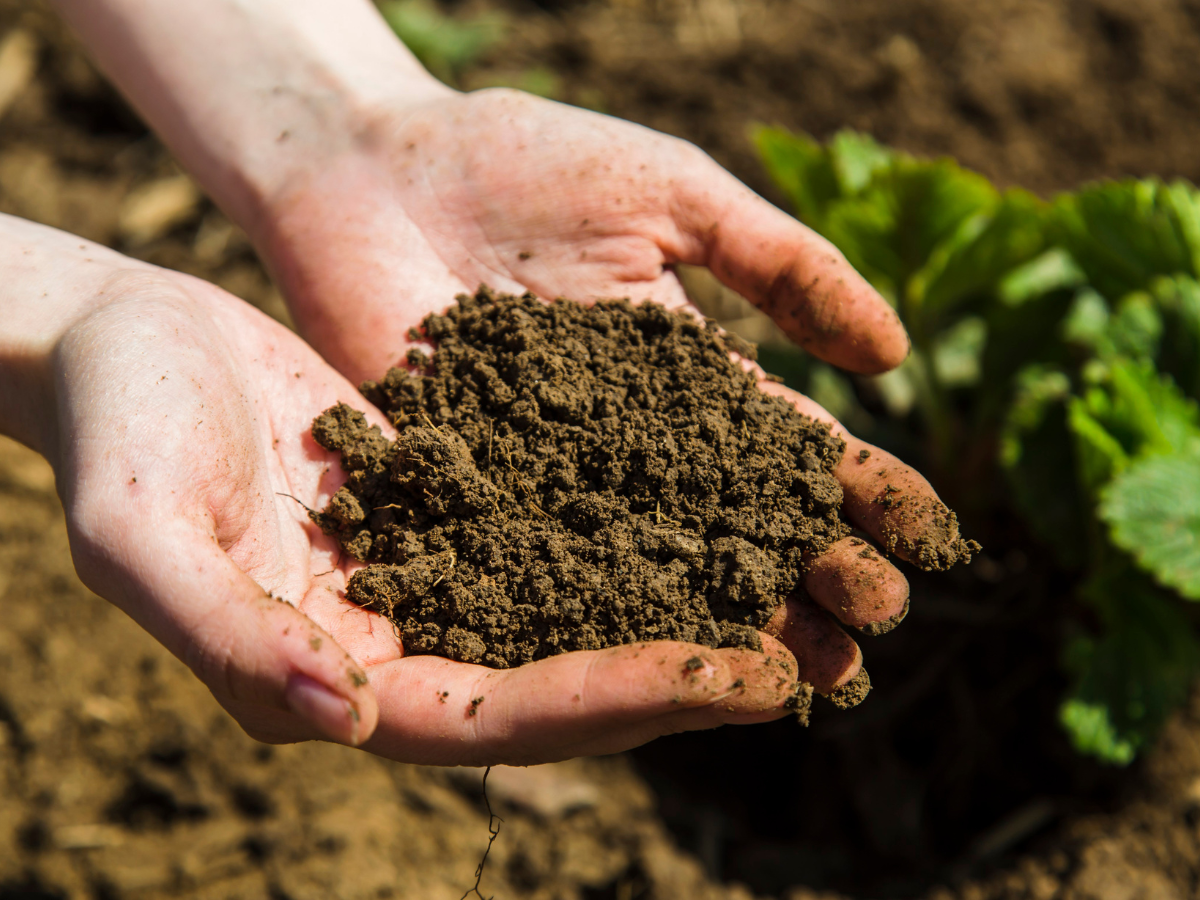
Healthy plants start with healthy soil, especially during Atlanta’s long, hot summers. While selecting heat-tolerant plants is important, the condition of the soil often determines how well those plants perform when temperatures rise and rainfall becomes inconsistent.
A strong foundation of nutrient-rich, moisture-retentive soil can help gardens withstand summer stress while supporting steady growth throughout the season.
A well-rounded summer guide should include strategies for improving soil quality, conserving moisture, and protecting plant roots from extreme heat. These practices work together to create a more resilient garden that requires less water and experiences fewer problems during periods of drought.
How To Prepare And Maintain Soil For Optimal Summer Garden Health In Atlanta?
Preparing soil before the hottest part of the year can make a significant difference in plant health and productivity. One of the most valuable first steps is conducting a soil test. Testing helps identify pH levels and nutrient deficiencies, allowing gardeners to make targeted improvements rather than relying on guesswork.
Adding organic matter is another essential practice. Compost, aged manure, and other organic amendments improve soil structure while supplying nutrients that plants need throughout the growing season.
Organic matter also increases the soil’s ability to hold water, which becomes especially important during periods of high heat.
Research has shown that soils with better water-holding capacity tend to maintain more stable moisture levels over time. Rather than drying out quickly after watering, healthy soils release moisture gradually, helping plants stay hydrated between irrigation cycles.
Regular maintenance is equally important. Monitoring soil conditions, adding compost annually, and avoiding excessive soil compaction can help preserve soil quality year after year. These simple steps create a stronger growing environment and support long-term garden success.
What Are The Best Mulching Techniques To Protect Against Heat?
Mulch serves as one of the most effective tools for protecting gardens during the summer months. By covering the soil surface, mulch reduces moisture loss, regulates soil temperature, and limits weed growth that competes with plants for water and nutrients.
Organic mulch materials are often the preferred choice because they provide additional benefits as they break down. Wood chips, shredded bark, straw, pine needles, and shredded leaves can all be effective options depending on the type of garden and desired appearance.
For most planting areas, a mulch layer between two and four inches deep provides good protection. A thinner layer may not adequately suppress weeds or conserve moisture, while an excessively thick layer can restrict airflow and create moisture-related problems around plant stems.
Mulch should also be replenished periodically throughout the growing season. As organic materials decompose, they gradually become part of the soil, improving its structure and fertility. Refreshing mulch when needed ensures continued protection against summer heat while contributing to overall soil health.
Any comprehensive summer guide for Atlanta gardeners should emphasize mulching because it delivers both immediate and long-term benefits for plant performance.
How To Adjust Soil Types For Heat And Drought Resistance?
Different soil types present unique challenges during hot weather. Understanding your existing soil conditions can help you make adjustments that improve moisture retention and plant resilience.
Clay soils, which are common in many parts of Georgia, tend to hold water well but may drain slowly after heavy rainfall. Adding compost and organic matter can improve structure, allowing water and air to move more freely through the soil while still retaining adequate moisture.
Sandy soils present the opposite challenge. Water drains quickly, often leaving plants vulnerable to drought stress. Incorporating compost can help sandy soils hold moisture longer and reduce the need for frequent watering.
In some cases, improving drainage may be necessary. Heavy soils that remain saturated for extended periods can benefit from amendments that increase pore space and improve water movement. This helps prevent root problems while maintaining healthier growing conditions.
Soil pH also deserves attention. Even nutrient-rich soil can limit plant growth if the pH is outside the preferred range for the species being grown. Periodic testing allows gardeners to make adjustments that improve nutrient availability and support stronger growth.
Building Long-Term Garden Resilience
Soil preparation, mulching, and targeted soil improvements all contribute to a healthier and more resilient landscape. Rather than reacting to heat stress after it occurs, these practices help gardens withstand challenging conditions before problems develop.
By focusing on soil quality and moisture management, gardeners can create a stronger foundation for success.
As this summer guide demonstrates, investing time in the soil often produces the greatest return, leading to healthier plants, reduced water use, and a more vibrant garden throughout Atlanta’s hottest months.
Watering, Irrigation, And Cooling Features
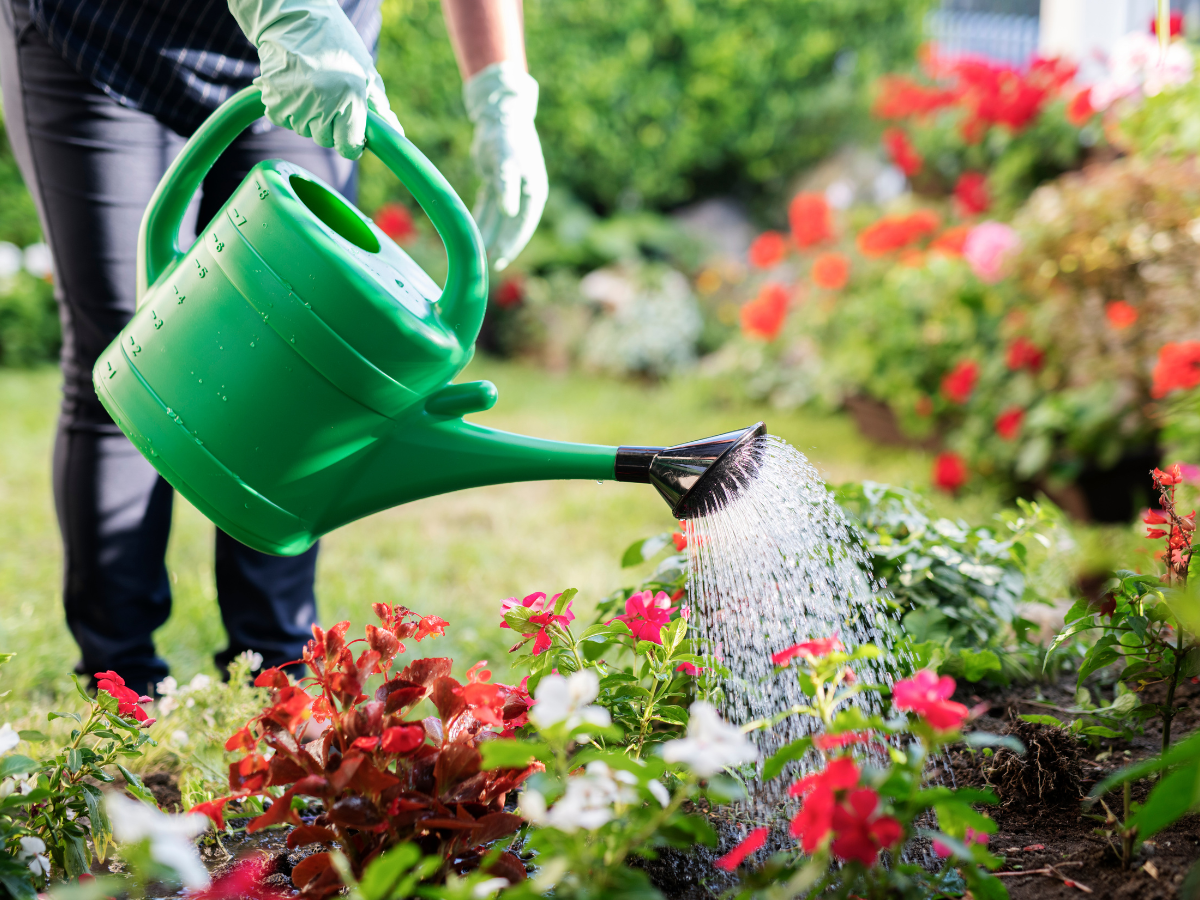
Managing water efficiently is one of the most important aspects of summer gardening in Atlanta. High temperatures, intense sunlight, and occasional dry spells can quickly stress plants, even those that are well-adapted to the region.
While selecting heat-tolerant plants and improving soil health are important steps, proper watering practices ultimately determine how well a garden performs during the hottest months.
A complete summer guide should also consider ways to create a cooler, more comfortable outdoor environment. Strategic irrigation methods and thoughtfully placed water features can help plants thrive while enhancing the beauty and enjoyment of the landscape.
What Are Effective Watering And Irrigation Practices For Atlanta Summer Gardens?
The goal of summer watering is not simply to provide more water but to deliver it efficiently. Deep, consistent watering encourages plants to develop stronger root systems, making them more resilient during periods of heat and drought.
One of the most effective irrigation methods is drip irrigation. Unlike traditional sprinklers, drip systems deliver water directly to the root zone where plants need it most. This targeted approach reduces evaporation, limits runoff, and helps conserve water while maintaining healthy soil moisture levels.
Timing also plays a significant role in watering efficiency. Early morning is generally considered the best time to irrigate because temperatures are lower and winds are typically calmer.
This allows more water to soak into the soil before it evaporates. Evening watering can also be effective, although prolonged moisture on foliage overnight may increase the risk of certain plant diseases.
Consistency is equally important. Rather than watering lightly every day, gardeners often achieve better results by watering deeply and less frequently. This encourages roots to grow deeper into the soil, improving the plant’s ability to access moisture during dry periods.
Rainwater harvesting offers another practical solution for sustainable garden care. Collecting rainwater in barrels or storage systems provides an additional water source that can be used during dry weather.
For homeowners seeking environmentally conscious gardening practices, rainwater collection can reduce dependence on municipal water supplies while supporting healthier plant growth.
As part of any summer guide, creating an irrigation plan based on plant needs, soil conditions, and local weather patterns can help maintain a thriving landscape throughout the season.
How Can Water Features Be Incorporated To Enhance Cooling And Aesthetics?
Beyond irrigation, water can also play an important role in improving the comfort and appearance of outdoor spaces. Thoughtfully designed water features add visual interest while creating subtle cooling effects through evaporation.
Fountains are among the most popular options for residential gardens. The sound of moving water introduces a sense of calm and can help mask nearby traffic or neighborhood noise. Smaller fountains work well in patios and courtyard gardens, while larger designs can serve as dramatic focal points in expansive landscapes.
Garden ponds offer both aesthetic and ecological benefits. In addition to creating a peaceful atmosphere, ponds can support beneficial wildlife such as birds, frogs, and pollinators. Aquatic plants can further enhance the appearance of the feature while contributing to a balanced garden ecosystem.
Birdbaths provide a simpler alternative that still delivers meaningful benefits. They attract birds that add activity and interest to the garden while offering a reliable source of water during hot weather. Even a small birdbath can become a focal point when placed among flowering plants or ornamental shrubs.
Water features can also complement outdoor living areas. Positioning a fountain near a seating area, for example, can create a more relaxing environment and contribute to a sense of retreat during Atlanta’s warm summer months.
Creating A Comfortable And Sustainable Summer Garden
Successful summer gardening requires balancing plant health, water conservation, and outdoor enjoyment. Efficient irrigation practices help ensure that plants receive the moisture they need without unnecessary waste, while water features add beauty and comfort to the landscape.
By combining smart watering strategies with thoughtfully designed cooling elements, homeowners can create outdoor spaces that remain attractive and functional even during the hottest part of the year.
This approach supports healthier plants, lower water consumption, and a more enjoyable garden experience throughout the season.
Pest, Disease, And Seasonal Garden Care
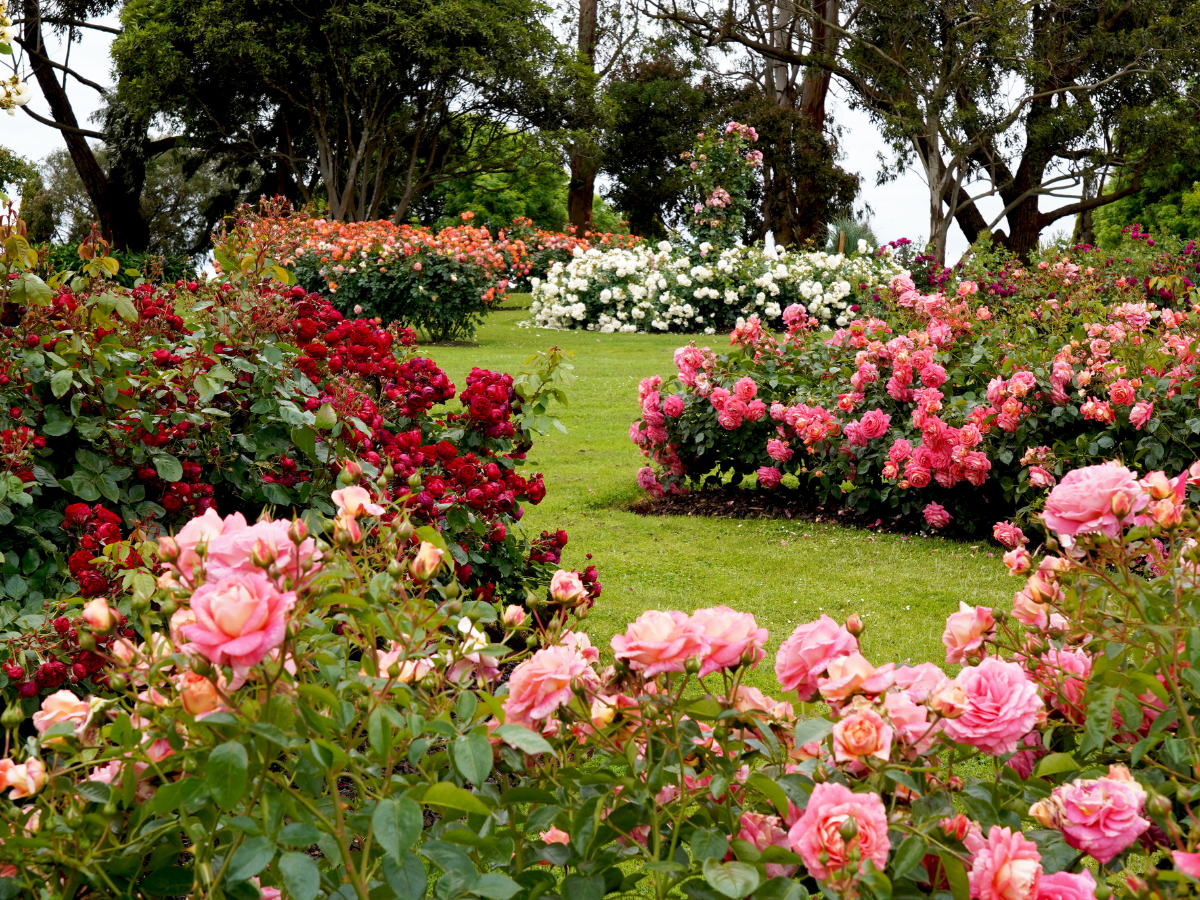
Even the most carefully planned landscape requires ongoing attention during the summer months. High temperatures, humidity, and periods of drought can place stress on plants, making them more vulnerable to pests and disease.
Consistent maintenance helps gardens stay healthy while preventing small problems from becoming larger, more expensive issues.
A well-rounded summer guide should include strategies for routine care as well as practical methods for identifying and addressing common seasonal challenges.
By staying proactive, Atlanta homeowners can enjoy healthier plants and more attractive outdoor spaces throughout the growing season.
Essential Care Tips
Successful summer gardening often comes down to a few consistent habits. One of the most effective practices is applying mulch around trees, shrubs, flowers, and vegetable beds.
Mulch helps conserve moisture, regulate soil temperatures, and reduce weed growth, all of which are especially valuable during Atlanta’s hottest months.
Proper watering is equally important. Deep watering encourages stronger root systems and helps plants become more resilient during dry periods. Watering in the early morning allows moisture to reach the roots before the heat of the day increases evaporation, improving overall efficiency.
Nutrient management also plays a role in plant health. Slow-release fertilizers can provide a steady supply of nutrients throughout the growing season without encouraging excessive growth that may struggle in extreme heat.
Following product recommendations and avoiding over-application helps maintain balanced growth and reduces stress on plants. These simple maintenance practices form the foundation of a healthy landscape and support many of the recommendations found in a comprehensive summer guide for Atlanta gardens.
How To Manage Pests And Diseases In Atlanta Summer Gardens?
Warm weather creates ideal conditions not only for plants but also for many common garden pests and diseases. The key to effective management is early detection. Regularly inspecting leaves, stems, and flowers allows gardeners to identify problems before they spread throughout the landscape.
Signs such as chewed foliage, discoloration, unusual spots, or wilting may indicate the presence of insects or disease. Catching these issues early often makes treatment simpler and more effective.
Encouraging beneficial insects can provide natural pest control. Ladybugs, lacewings, and certain species of predatory wasps feed on common garden pests and help maintain a healthier balance within the landscape.
Planting a variety of flowering species can attract these helpful insects and support long-term pest management.
When intervention becomes necessary, many homeowners choose organic treatment options. Products such as neem oil, horticultural oils, and insecticidal soaps can address certain pest problems while minimizing impacts on beneficial insects and pollinators when used correctly.
Good cultural practices also help prevent disease. Proper spacing between plants improves airflow, reducing moisture buildup that can contribute to fungal issues. Avoiding overhead watering whenever possible further limits conditions that allow diseases to develop.
By combining prevention, monitoring, and targeted treatment, gardeners can manage the most common summer problems without relying heavily on chemical controls.
What Are Essential Summer Garden Care Tips For Atlanta Homeowners?
Beyond watering and pest management, several seasonal tasks help keep gardens looking their best throughout the summer.
Pruning is one important maintenance activity. Removing dead, damaged, or diseased branches allows plants to focus energy on healthy growth while improving air circulation. Light pruning can also help maintain the shape and appearance of shrubs and ornamental plants.
Weed control remains a constant priority during the growing season. Weeds compete with desirable plants for water, nutrients, and sunlight. Regular removal prevents them from becoming established and reduces the amount of work required later in the season.
Seasonal cleanup is another often-overlooked task. Removing fallen leaves, spent flowers, and plant debris helps improve the garden’s appearance while reducing potential hiding places for pests and disease organisms. Keeping garden beds tidy also makes it easier to spot developing problems before they spread.
As summer progresses, it is helpful to periodically evaluate plant performance. Some areas may require additional mulch, adjustments to irrigation, or replacement of plants that are struggling in specific conditions. These small adjustments can significantly improve overall garden health.
Maintaining A Thriving Summer Landscape
Summer garden care involves more than simply watering plants. Effective maintenance includes monitoring for pests, preventing disease, controlling weeds, and supporting healthy growth through proper pruning and soil care.
Together, these practices create a stronger, more resilient landscape that can better withstand Atlanta’s challenging summer conditions.
By following the recommendations in this summer guide, homeowners can reduce common seasonal problems and enjoy a healthier, more attractive garden throughout the growing season.
Sustainable Xeriscaping For Atlanta Summer Landscaping
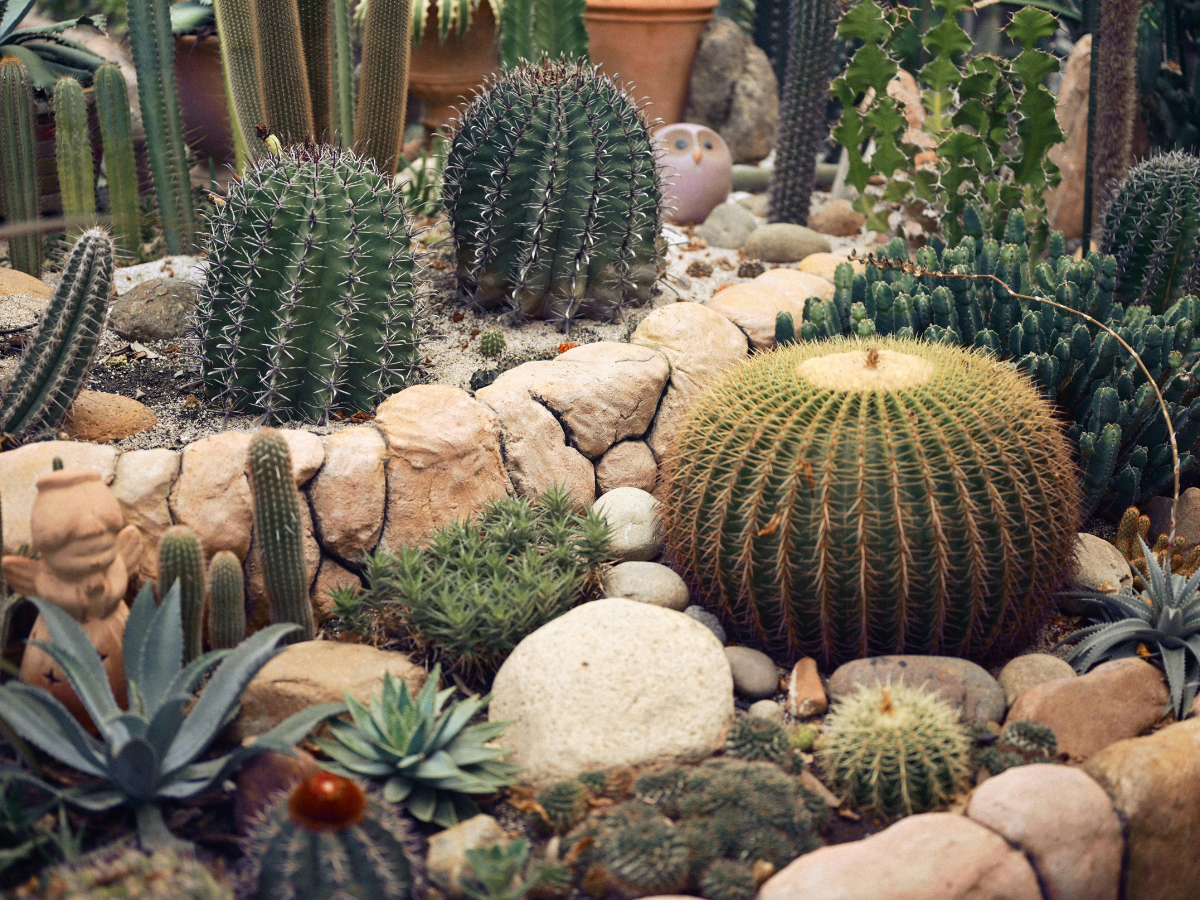
Atlanta summers can place significant stress on landscapes, especially when high temperatures and periods of limited rainfall increase water demands. For homeowners looking to maintain an attractive yard while conserving resources, xeriscaping offers a practical and sustainable solution.
By focusing on water-efficient design principles, climate-appropriate plants, and smarter irrigation practices, xeriscaping helps create resilient landscapes that remain healthy and visually appealing throughout the season.
As this summer guide explores, the right xeriscaping techniques can reduce maintenance, lower water consumption, and support long-term landscape success in Atlanta’s challenging summer climate.
What Sustainable Xeriscaping Techniques Are Best For Atlanta Summer Landscaping?
As water conservation becomes increasingly important, many Atlanta homeowners are looking for ways to create attractive landscapes that require less maintenance and irrigation.
Xeriscaping offers a practical solution by focusing on efficient water use, climate-appropriate plant selection, and thoughtful landscape design.
Contrary to common misconceptions, xeriscaping does not mean creating a barren or purely desert-like landscape. Instead, it emphasizes building a garden that works with local environmental conditions rather than constantly fighting against them.
A well-planned xeriscape can remain colorful, functional, and visually appealing throughout the growing season while using significantly less water than traditional landscapes.
For homeowners following a comprehensive summer guide for Atlanta landscaping, xeriscaping provides a long-term strategy for improving sustainability and reducing maintenance demands.
One of the most important principles of xeriscaping is selecting plants that naturally thrive in the local climate. Native species are especially valuable because they have adapted to Georgia’s weather patterns, soil conditions, and seasonal rainfall.
Once established, many native plants require less supplemental watering while providing habitat and food sources for pollinators and other beneficial wildlife.
Popular options may include native grasses, flowering perennials, shrubs, and trees that can tolerate periods of heat and drought without sacrificing visual appeal. By grouping plants with similar water requirements together, homeowners can further improve irrigation efficiency and simplify ongoing maintenance.
Soil preparation is another critical component of successful xeriscaping. Healthy soil acts like a reservoir, holding moisture longer and making it available to plant roots when needed.
Incorporating compost and other organic matter improves soil structure, increases water retention, and supports stronger root development. These improvements help reduce watering demands during Atlanta’s hottest months while promoting healthier plant growth.
Efficient irrigation systems also play a central role in sustainable landscape design. Drip irrigation is often preferred because it delivers water directly to the root zone instead of spraying large areas indiscriminately.
This targeted approach minimizes evaporation and runoff, ensuring that water is used as effectively as possible. When combined with smart irrigation controllers or weather-based scheduling, drip systems can further reduce unnecessary water consumption.
Mulching is another technique that supports xeriscaping goals. A layer of organic mulch helps insulate the soil, suppress weeds, and slow moisture evaporation. During the peak of summer, mulch can significantly reduce temperature fluctuations around plant roots, helping plants remain healthier even during extended periods of heat.
Beyond water conservation, xeriscaping can also reduce long-term maintenance requirements. Landscapes designed around climate-adapted plants generally require less fertilization, fewer chemical treatments, and less frequent watering.
This makes them an appealing option for homeowners seeking a more sustainable and manageable outdoor space. Another benefit is resilience. Traditional landscapes often struggle during drought conditions or watering restrictions, while xeriscaped gardens are designed to withstand these challenges.
By prioritizing plant health, soil quality, and efficient resource use, homeowners can create landscapes that remain attractive even when environmental conditions become more demanding.
As part of a complete summer guide, xeriscaping offers a proactive approach to landscape management. Rather than responding to heat and drought after problems appear, homeowners can design their outdoor spaces to handle these conditions from the start.
The result is a landscape that balances beauty, functionality, and environmental responsibility. For Atlanta homeowners, sustainable xeriscaping provides a practical path toward healthier gardens and lower water consumption.
Through thoughtful plant selection, improved soil management, efficient irrigation, and strategic mulching, it is possible to create a vibrant landscape that thrives throughout the summer while supporting long-term sustainability goals.
Conclusion
Creating a thriving summer landscape in Atlanta requires the right combination of heat-resistant plants, proper maintenance practices, and thoughtful design strategies.
By choosing plants that can withstand Georgia’s hot temperatures and implementing smart watering, mulching, and seasonal care techniques, homeowners can enjoy a vibrant outdoor space throughout the summer months.
Whether you’re refreshing existing garden beds or planning a complete landscape transformation, professional guidance can help you achieve beautiful, long-lasting results. For expert landscaping services and customized outdoor solutions, choose Glover Landscapes.
If you’re ready to enhance your property’s curb appeal and create a landscape that thrives all season long, call (404) 982-4176 to speak with the team at Glover Landscapes or visit their website to get your free landscaping estimate today.