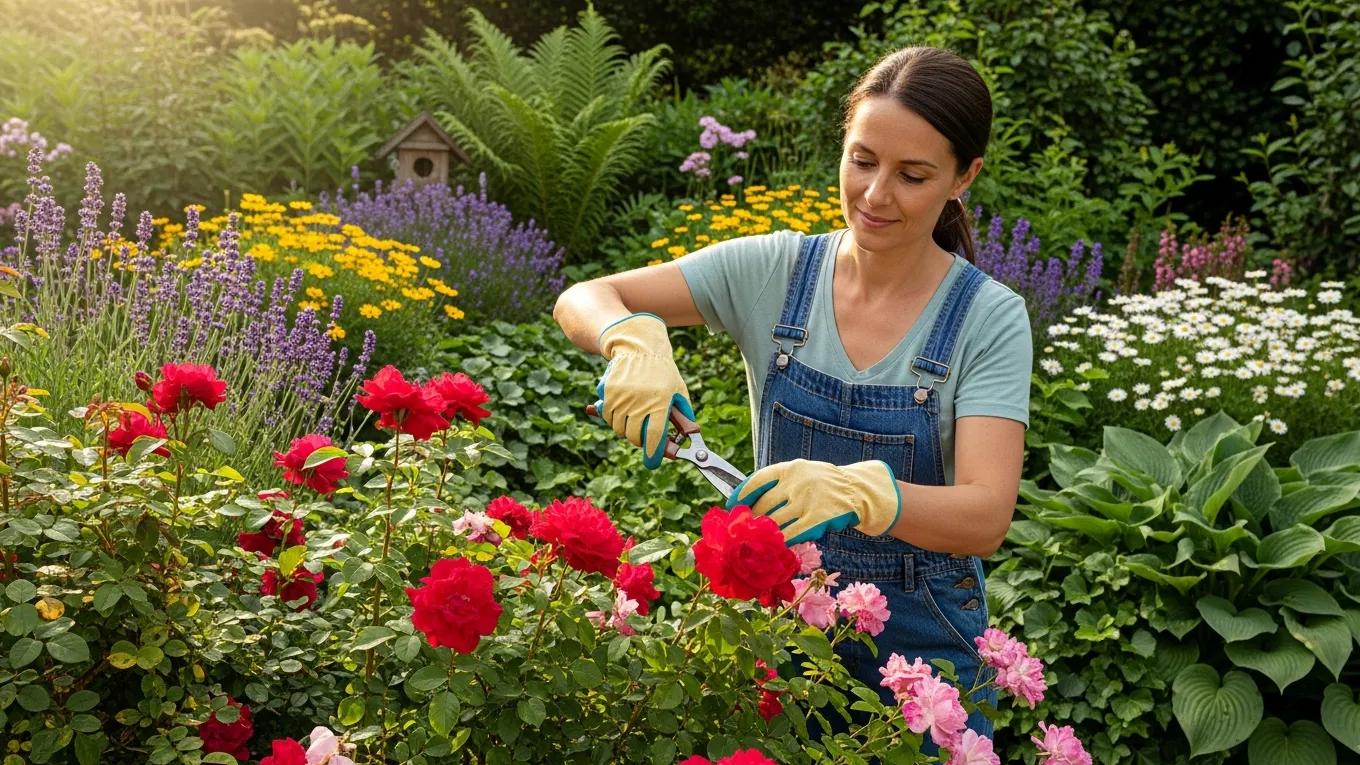
Pruning is more than a way to keep your landscape looking neat. When done correctly, it encourages stronger growth, improves plant health, and helps trees and shrubs thrive throughout the year. However, cutting at the wrong time or removing the wrong branches can weaken plants and limit their long-term growth.
A pruning guide for healthier trees and shrubs helps homeowners understand when to prune, which techniques to use, and how to avoid common mistakes. Proper pruning improves air circulation, removes damaged or diseased branches, and shapes plants without causing unnecessary stress.
With the right approach, you can promote healthier growth, enhance the appearance of your landscape, and extend the life of your trees and shrubs for years to come.
Pruning Guide Tips for Healthier Plants and Better Growth
Essential Pruning Techniques Every Homeowner Should Know

Learning the right pruning methods is an important part of any pruning guide because different plants and situations require different approaches. Rather than using the same technique for every shrub or tree, it’s best to choose a method based on the plant’s age, growth habit, and overall health.
The three most common pruning techniques are thinning, heading, and rejuvenation pruning. Each one serves a distinct purpose and can improve a plant’s appearance, encourage healthy growth, or restore an overgrown landscape when used correctly.
Thinning
Thinning is one of the most effective techniques for improving the long-term health of trees and shrubs. Instead of shortening branches, this method removes selected branches entirely back to their point of origin. Doing so opens the canopy, allowing more sunlight and fresh air to reach the plant’s interior.
Better air circulation helps reduce excess moisture that can contribute to fungal diseases, while increased light encourages healthy foliage throughout the plant instead of only around the outer edges.
Because thinning preserves the plant’s natural shape, it is an excellent choice for mature shrubs and ornamental trees that have become too dense over time.
Heading
Heading involves cutting a branch back to a healthy bud or a smaller lateral branch rather than removing it completely. This encourages the plant to produce new shoots near the cut, creating fuller, denser growth.
This technique is commonly used to shape hedges, encourage branching in young plants, or control the size of fast-growing shrubs.
To achieve the best results, make clean cuts with sharp pruning tools and avoid removing more growth than necessary. Careful heading helps maintain an attractive form without placing unnecessary stress on the plant.
Rejuvenation Pruning
Rejuvenation pruning is a more intensive technique reserved for shrubs that have become overgrown, woody, or unproductive. Instead of making small adjustments, this method removes a significant portion of the older stems, sometimes cutting the plant back to just a few inches above the ground, depending on the species.
Although the process may look dramatic at first, many deciduous shrubs respond with vigorous new shoots and healthier, more balanced growth.
A common approach is to remove about one-third of the oldest stems each year over several seasons, allowing the shrub to renew itself gradually while maintaining its appearance. For severely neglected plants that tolerate hard pruning, a complete cutback may be appropriate.
Understanding when to use thinning, heading, or rejuvenation pruning is one of the most valuable parts of any pruning guide. Selecting the right technique for the right plant encourages stronger growth, improves overall appearance, and helps shrubs and trees remain healthy for years to come.
Optimal Timing for Pruning Different Trees and Shrubs
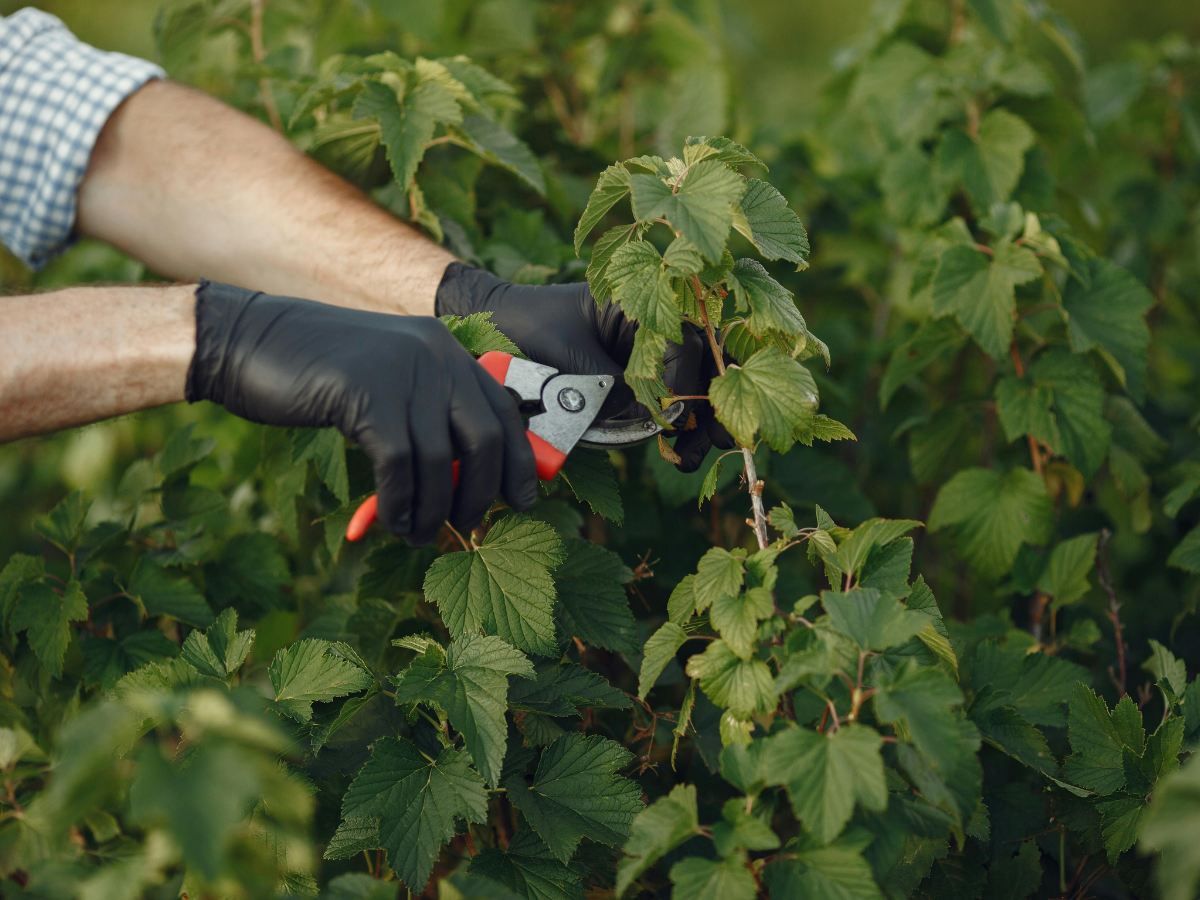
One of the most important parts of any pruning guide is knowing when to prune. Even the correct pruning technique can produce poor results if it’s done at the wrong time of year. Pruning at the appropriate time encourages healthy growth, reduces stress on the plant, and lowers the risk of disease or winter damage.
While late winter and early spring are considered the best times to prune many trees and shrubs, the ideal schedule ultimately depends on the type of plant and when it blooms.
Understanding these seasonal differences helps you avoid removing flower buds or encouraging vulnerable new growth before harsh weather arrives.
Why Late Winter and Early Spring Are Ideal for Most Plants
For many deciduous trees and shrubs, late winter through early spring is the preferred pruning window. During dormancy, plants have stored energy in their roots and branches, allowing them to recover more efficiently once active growth begins.
Pruning before leaves emerge also makes it much easier to inspect the plant’s overall structure. Without dense foliage blocking your view, you can clearly identify dead, damaged, crossing, or overcrowded branches that should be removed.
Making these cuts before the growing season begins encourages stronger branch development and improved airflow throughout the canopy. This timing is especially effective for shade trees, fruit trees, and many non-flowering shrubs that benefit from structural pruning.
When Spring-Flowering Plants Should Be Pruned
Not every plant follows the same schedule. Shrubs and trees that bloom early in spring, such as lilacs, azaleas, forsythia, and some flowering magnolias, develop their flower buds during the previous growing season.
Pruning these plants before they bloom often removes those buds, resulting in fewer flowers. Instead, wait until shortly after flowering has finished before shaping or thinning the plant. This allows you to enjoy the seasonal blooms while giving the plant enough time to produce new buds for the following year.
A good pruning guide always considers a plant’s flowering cycle rather than applying the same timing to every species.
Is Fall Pruning a Good Idea?
Fall pruning is generally best limited to light maintenance rather than major shaping. As temperatures cool, many trees and shrubs begin preparing for dormancy.
Heavy pruning at this stage can encourage fresh growth that may not have enough time to harden before freezing weather arrives, increasing the risk of winter damage.
There are, however, situations where fall pruning is appropriate. Dead, broken, diseased, or hazardous branches should be removed whenever they are discovered to protect both the plant and surrounding property.
Eliminating damaged wood also reduces the chance of pests or diseases spreading during the dormant season. If extensive pruning is needed, it’s usually better to postpone the work until late winter unless safety concerns require immediate attention.
Seasonal Pruning at a Glance
As a general rule, follow these seasonal guidelines:
| Plant Type | Best Time to Prune |
|---|---|
| Deciduous trees | Late winter to early spring |
| Summer-flowering shrubs | Late winter to early spring |
| Spring-flowering shrubs | Immediately after flowering |
| Evergreen shrubs | Light pruning in late spring or early summer |
| Dead, damaged, or diseased branches | Remove any time of year |
Using the right timing is just as important as making the right cuts. By matching your pruning schedule to each plant’s growth cycle, you’ll encourage healthier growth, preserve seasonal blooms, and help your landscape remain attractive throughout the year.
Following these seasonal recommendations will make your pruning guide more effective and help you achieve better long-term results with every pruning session.
Choosing the Right Pruning Tools for Every Job
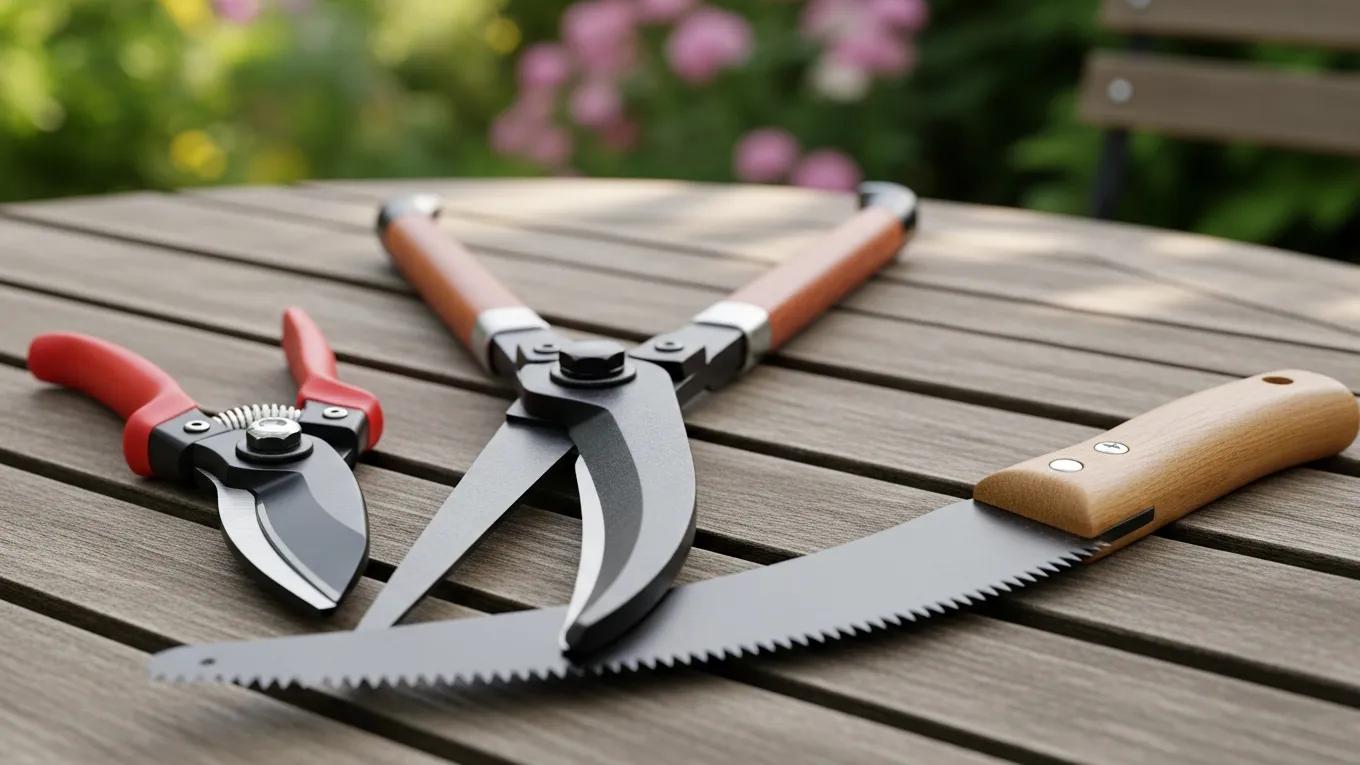
Every effective pruning guide starts with the right technique, but those techniques are only as good as the tools you use.
Choosing the correct pruning tool makes the work easier, produces cleaner cuts, and reduces unnecessary stress on your trees and shrubs. It also improves safety by giving you better control during each cut.
Rather than relying on a single tool for every task, it’s best to match the tool to the size of the branch. Using pruning shears on thick limbs can damage both the tool and the plant, while oversized tools often make it difficult to make precise cuts on smaller branches.
Which Pruning Tool Should You Use?
Each pruning tool is designed for a specific purpose. Selecting the right one helps create clean, smooth cuts that heal more quickly and lower the risk of disease or pest problems.
| Tool | Best For | Typical Branch Size | Why It’s Useful |
|---|---|---|---|
| Pruning Shears | Flowers, small stems, and young branches | Up to ¾ inch | Ideal for precise, clean cuts during routine maintenance |
| Loppers | Medium-sized branches | ¾ to 1½ inches | Long handles provide extra leverage with less effort |
| Pruning Saw | Mature limbs and thick branches | Over 1½ inches | Cuts larger wood efficiently without crushing the branch |
| Pole Pruner | High branches | Varies | Allows safe pruning without climbing ladders for many jobs |
A quality pruning guide recommends investing in durable, well-made tools that stay sharp and can withstand repeated use. High-quality blades require less force and produce cleaner cuts than inexpensive alternatives.
Why Sharp, Clean Tools Matter
Many pruning problems are caused by neglected tools rather than poor technique. Dull blades tear bark and crush plant tissue instead of slicing cleanly through the branch. These rough cuts take longer to heal and may leave plants more vulnerable to insects, fungal infections, and decay.
Cleaning tools between plants is equally important, particularly when working with diseased trees or shrubs. Wiping blades with rubbing alcohol or a disinfectant solution helps reduce the chance of transferring pathogens from one plant to another.
Keeping blades sharp throughout the growing season also reduces strain on your hands and makes pruning safer and more efficient.
Safety Tips for Larger Pruning Projects
Even experienced gardeners should prioritize safety when pruning larger branches. Before making any cut, inspect the area for unstable limbs, nearby power lines, or obstacles below the tree.
Wear sturdy gloves to protect your hands from thorns and rough bark, along with safety glasses to shield your eyes from falling debris. For overhead work, avoid standing directly beneath the branch you’re removing.
While pole pruners can safely extend your reach, large limbs located high in mature trees are often best left to certified arborists with the proper equipment and training.
Basic Tool Maintenance Extends Tool Life
Taking a few minutes to maintain your equipment after each use will improve both performance and longevity. Remove sap and debris from blades, dry tools thoroughly to prevent rust, and lightly oil moving parts to keep them operating smoothly.
At the beginning and end of each pruning season, inspect tools for loose bolts, worn handles, or damaged blades that may need repair or replacement. Proper storage in a dry location also helps prevent corrosion and keeps tools ready for the next project.
A reliable pruning guide isn’t just about knowing where to cut. It also emphasizes using the right equipment, keeping tools in good condition, and working safely. With sharp, well-maintained tools and the proper technique, you’ll make cleaner cuts that promote healthier, stronger plants for years to come.
How Proper Pruning Improves Plant Health and Long-Term Growth
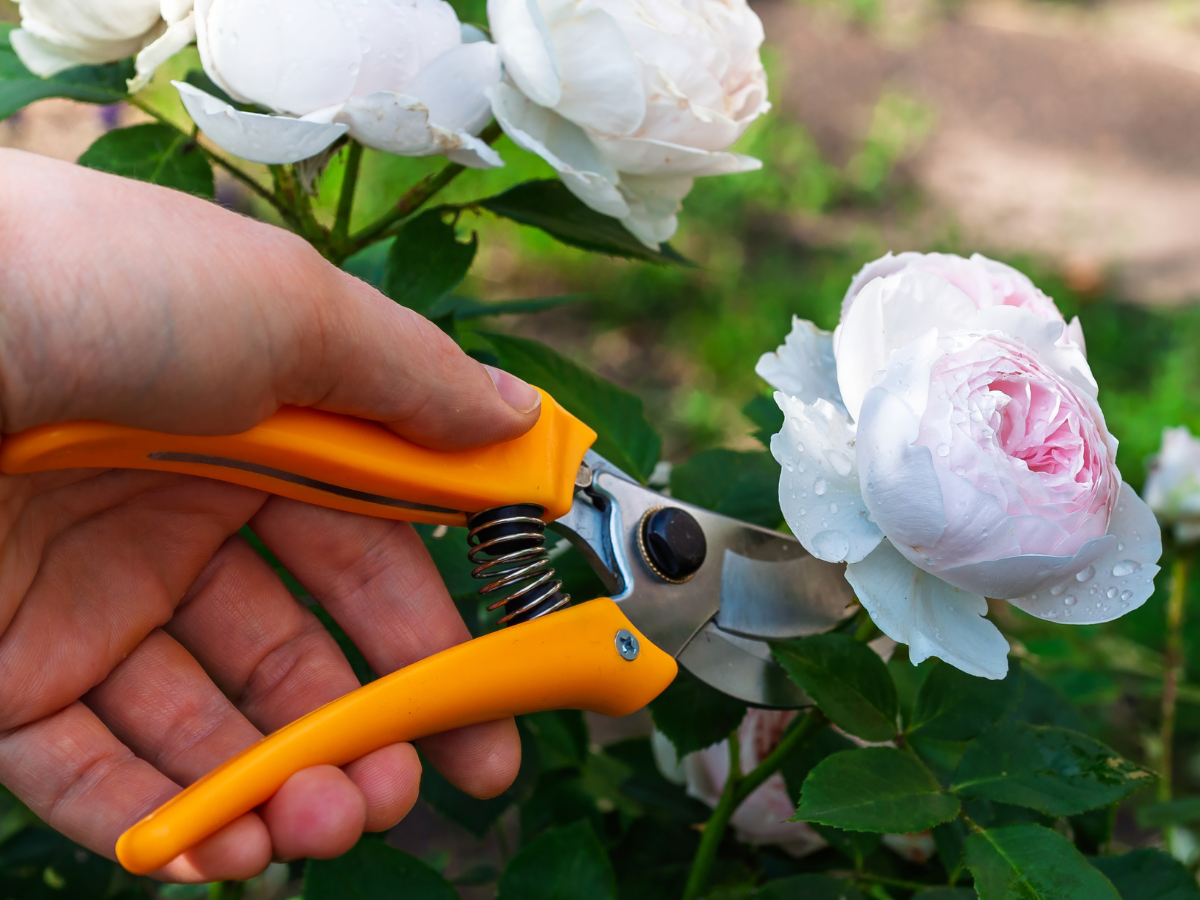
One of the biggest reasons to follow a proper pruning guide is that pruning does far more than improve a plant’s appearance. When done correctly, it supports healthier growth, reduces the risk of disease, and helps trees and shrubs develop a stronger structure over time.
Removing dead, damaged, diseased, or overcrowded branches allows the plant to direct its energy toward healthy new growth instead of maintaining wood that no longer serves a purpose. Over time, this leads to a more vigorous plant that is better equipped to withstand weather, pests, and environmental stress.
Rather than treating pruning as purely cosmetic, think of it as preventative maintenance that keeps plants healthier throughout every growing season.
Better Airflow Helps Prevent Disease
Dense canopies may look lush, but they can create ideal conditions for fungal diseases and insect infestations. When branches are packed too closely together, sunlight struggles to reach the interior of the plant and moisture takes longer to evaporate after rain or watering.
Selective pruning opens the canopy and improves air circulation throughout the plant. Better airflow helps leaves dry more quickly, reducing the damp conditions that encourage mildew, leaf spot, and other common diseases. Increased sunlight also supports healthier foliage and stronger branch development.
This is one reason a well-planned pruning guide often recommends thinning cuts rather than simply shortening branches.
Pruning Encourages Stronger, Healthier Growth
Plants naturally direct their energy toward active growing points. By removing weak, damaged, or unproductive branches, pruning redirects that energy into healthier shoots, stronger limbs, and fresh growth.
Many flowering shrubs produce more abundant blooms after proper pruning, while fruit trees often benefit from improved fruit size and quality because resources are concentrated on productive branches.
Young trees also develop a stronger branch structure when they’re pruned correctly during their early years, reducing the likelihood of structural problems as they mature.
The goal isn’t to force rapid growth but to encourage balanced, sustainable development that supports the plant over the long term.
A Well-Pruned Landscape Looks Better Year-Round
Health and appearance often go hand in hand. Regular pruning helps maintain a plant’s natural shape while preventing overgrowth that can make landscapes look neglected or uneven.
Removing crossing branches, excessive growth, and damaged limbs creates cleaner lines and allows each plant to complement the surrounding landscape. It also prevents shrubs from crowding walkways, blocking windows, or interfering with nearby plants.
Unlike severe trimming, thoughtful pruning preserves the plant’s natural form instead of forcing it into an unnatural shape. The result is a landscape that looks tidy while still feeling mature and balanced.
Long-Term Benefits of Consistent Pruning
Following a pruning guide on a regular schedule offers benefits that extend well beyond a single season. Healthy pruning practices reduce the likelihood of disease, encourage stronger branching, improve flowering and fruit production, and help plants live longer.
Perhaps most importantly, routine pruning allows small problems to be corrected before they become expensive ones. Removing a weak branch today may prevent storm damage years later, while improving airflow now can reduce disease pressure throughout the growing season.
When viewed as part of ongoing landscape care rather than an occasional chore, pruning becomes one of the most effective ways to protect the health, beauty, and longevity of trees and shrubs.
How to Care for Trees and Shrubs After Pruning
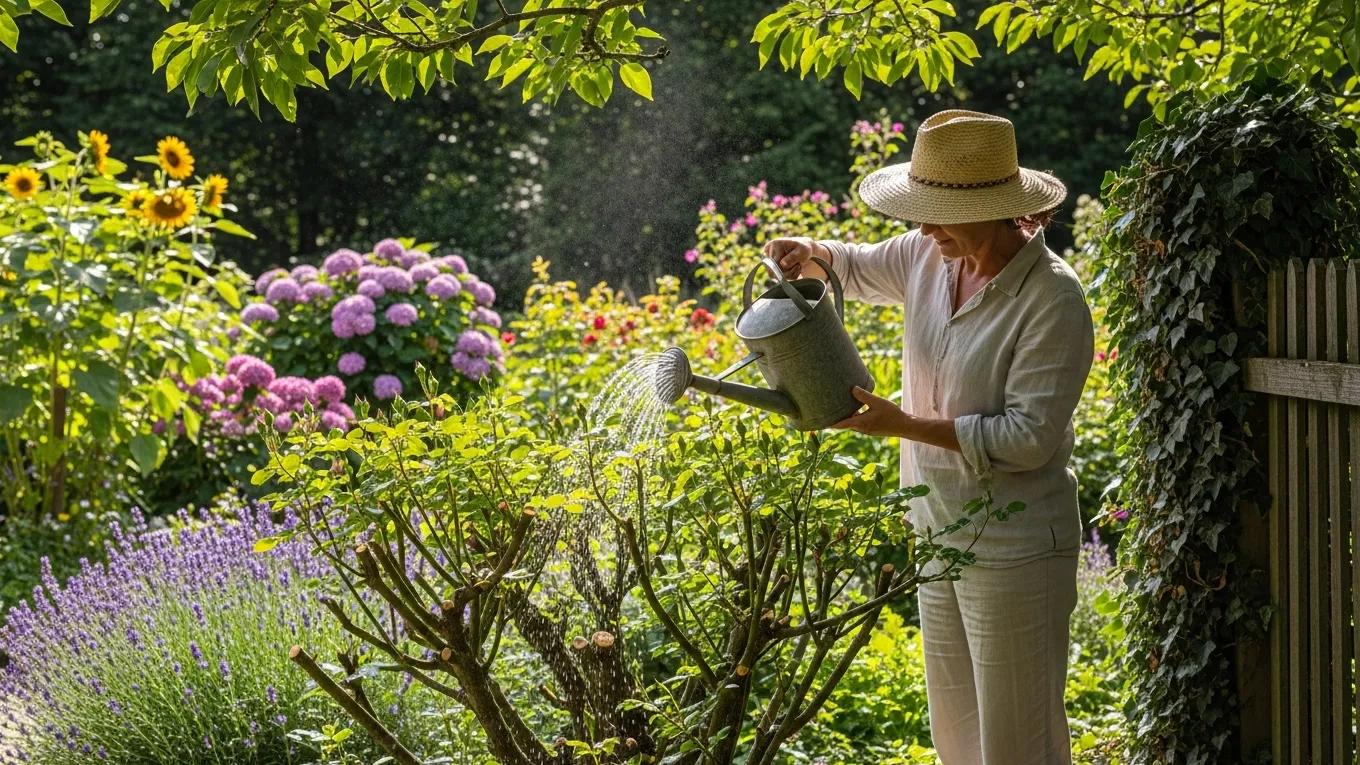
A good pruning guide doesn’t end once the last branch has been removed. The care you provide afterward plays an important role in how quickly a tree or shrub recovers and how well it performs during the rest of the growing season.
While most healthy plants bounce back naturally, a little attention during the recovery period can reduce stress and encourage vigorous new growth.
The goal isn’t to force rapid growth but to create the right conditions for the plant to heal. Proper watering, regular observation, and avoiding unnecessary stress will help pruning wounds seal naturally and allow the plant to redirect its energy toward healthy development.
Water Properly Without Overwatering
One of the most important steps after pruning is maintaining consistent soil moisture. Although pruning removes part of the canopy, the remaining branches and roots still require adequate water to support recovery and new growth.
Water deeply rather than frequently so moisture reaches the root zone where it’s needed most. Deep watering encourages stronger root development and helps plants tolerate periods of dry weather.
At the same time, avoid overwatering, especially around established trees and shrubs, since overly saturated soil can create root problems that are unrelated to pruning.
Applying a layer of mulch around the base of the plant can also help retain moisture, regulate soil temperature, and reduce competition from weeds. Keep mulch a few inches away from the trunk or main stems to discourage rot and pest issues.
Watch for Signs of Stress During Recovery
Most plants show little sign of stress after proper pruning, but it’s still worth checking them over during the following weeks. Early observation allows you to catch potential problems before they become more serious.
Common signs that a plant may be struggling include:
| Symptom | Possible Cause |
|---|---|
| Wilting leaves | Insufficient water or transplant-like stress |
| Yellowing or discolored foliage | Water imbalance, nutrient issues, or environmental stress |
| Branch dieback | Disease, improper pruning cuts, or existing plant health problems |
| Little or no new growth during the growing season | Excessive pruning or underlying health concerns |
Some temporary stress is normal, particularly after heavier pruning. However, persistent symptoms may indicate that the plant needs additional attention or that another issue is affecting its health.
Avoid Common Mistakes After Pruning
One of the biggest mistakes homeowners make is trying to “help” a plant recover by doing too much. Healthy trees and shrubs generally heal best when left to recover naturally under good growing conditions.
For example, avoid pruning the plant again immediately unless you discover damaged or hazardous branches. Repeated cutting can increase stress and delay recovery.
It’s also unnecessary to apply wound sealants or pruning paint in most situations. Modern arboriculture research has shown that healthy plants typically seal pruning wounds more effectively on their own, and artificial sealants can sometimes trap moisture or interfere with the natural healing process.
Support Healthy Growth Throughout the Season
Recovery doesn’t end a week after pruning. Continue monitoring your landscape throughout the growing season by checking soil moisture during dry periods, removing dead branches if they appear, and watching for signs of insects or disease.
Following a seasonal maintenance routine also makes future pruning easier because plants remain healthier and require fewer major corrective cuts. Smaller, regular pruning sessions are generally less stressful than allowing shrubs or trees to become severely overgrown.
Every pruning guide should emphasize that successful pruning is only part of the process. Thoughtful aftercare helps plants recover more efficiently, encourages balanced new growth, and contributes to stronger, healthier landscapes for years to come.
Common Pruning Mistakes and How to Avoid Them
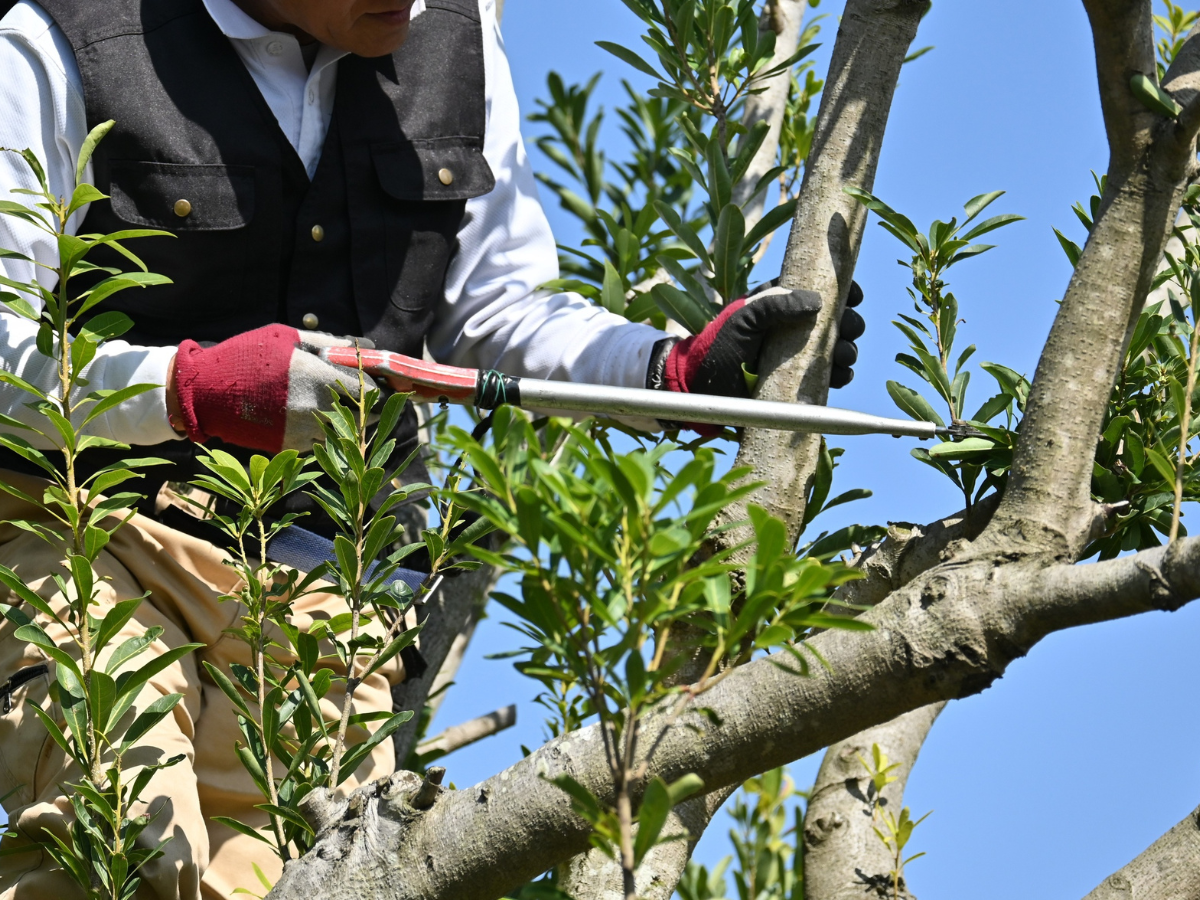
Even with the best intentions, improper pruning can do more harm than good. Cutting too much, pruning at the wrong time, or making incorrect cuts can weaken trees and shrubs, reduce flowering, and leave plants vulnerable to pests and disease.
A reliable pruning guide focuses not only on what to do, but also on the common mistakes that prevent plants from thriving.
The good news is that most pruning errors are easy to avoid once you understand a few basic principles. By following proper techniques and resisting the urge to remove more than necessary, you’ll encourage healthier, longer-lasting growth.
Avoid Topping Trees
One of the most damaging pruning practices is topping, which involves cutting off the upper portion of a tree to reduce its height. Although this may seem like a quick solution for an overgrown tree, it often creates long-term problems.
Topping removes a significant amount of healthy foliage, reducing the tree’s ability to produce energy through photosynthesis. In response, the tree often produces numerous weak shoots that grow rapidly but are poorly attached to the remaining branches.
These shoots are more likely to break during storms and can create ongoing maintenance issues. Instead of topping, reduce height selectively by pruning back to strong lateral branches that can naturally assume future growth. This preserves the tree’s structure while maintaining its health and appearance.
Don’t Remove Too Much at Once
Over-pruning is another common mistake, especially when homeowners try to reshape an overgrown tree or shrub in a single afternoon. Removing too much living growth forces the plant to recover from unnecessary stress and can slow its overall development.
As a general guideline, avoid removing more than one-third of a plant’s living canopy during a single growing season unless a specific rejuvenation pruning method calls for it. If major reshaping is needed, spreading the work over two or three seasons usually produces healthier, more attractive results.
Gradual pruning also gives you time to evaluate how the plant responds before making additional cuts.
Make Every Cut in the Right Place
Where you cut is just as important as how much you remove. Cutting too close to the trunk can damage the branch collar, which contains specialized tissue that helps wounds heal naturally. Leaving long stubs isn’t ideal either, as they often die back and can become entry points for insects and decay.
For most branches, make clean cuts just outside the branch collar or just above a healthy outward-facing bud when shortening stems. Using sharp, well-maintained tools produces smooth cuts that heal more efficiently than rough or crushed wounds.
Following proper cutting techniques is one of the simplest ways to improve the results of any pruning guide.
Other Common Pruning Mistakes to Avoid
In addition to the major mistakes above, gardeners frequently encounter a few smaller issues that can still affect plant health.
| Mistake | Why It Causes Problems | Better Approach |
|---|---|---|
| Pruning at the wrong time of year | May reduce flowering or expose new growth to cold damage | Prune according to the plant’s growth and flowering cycle |
| Using dull or dirty tools | Creates rough cuts and can spread disease | Keep tools sharp and disinfect them between plants |
| Ignoring dead or diseased branches | Allows pests and diseases to spread | Remove damaged wood as soon as it’s identified |
| Pruning without a plan | Results in uneven growth or poor structure | Step back regularly and evaluate the plant before making each cut |
Prune With a Purpose
Successful pruning isn’t about removing as many branches as possible. Every cut should have a clear purpose, whether it’s improving airflow, removing damaged wood, shaping the plant, or encouraging stronger growth.
Following a well-planned pruning guide helps you make thoughtful decisions rather than reactive ones. By avoiding common mistakes and using proper techniques, you’ll support healthier trees and shrubs while preserving their natural beauty for years to come.
How to Create a Pruning Plan for Healthier Trees and Shrubs
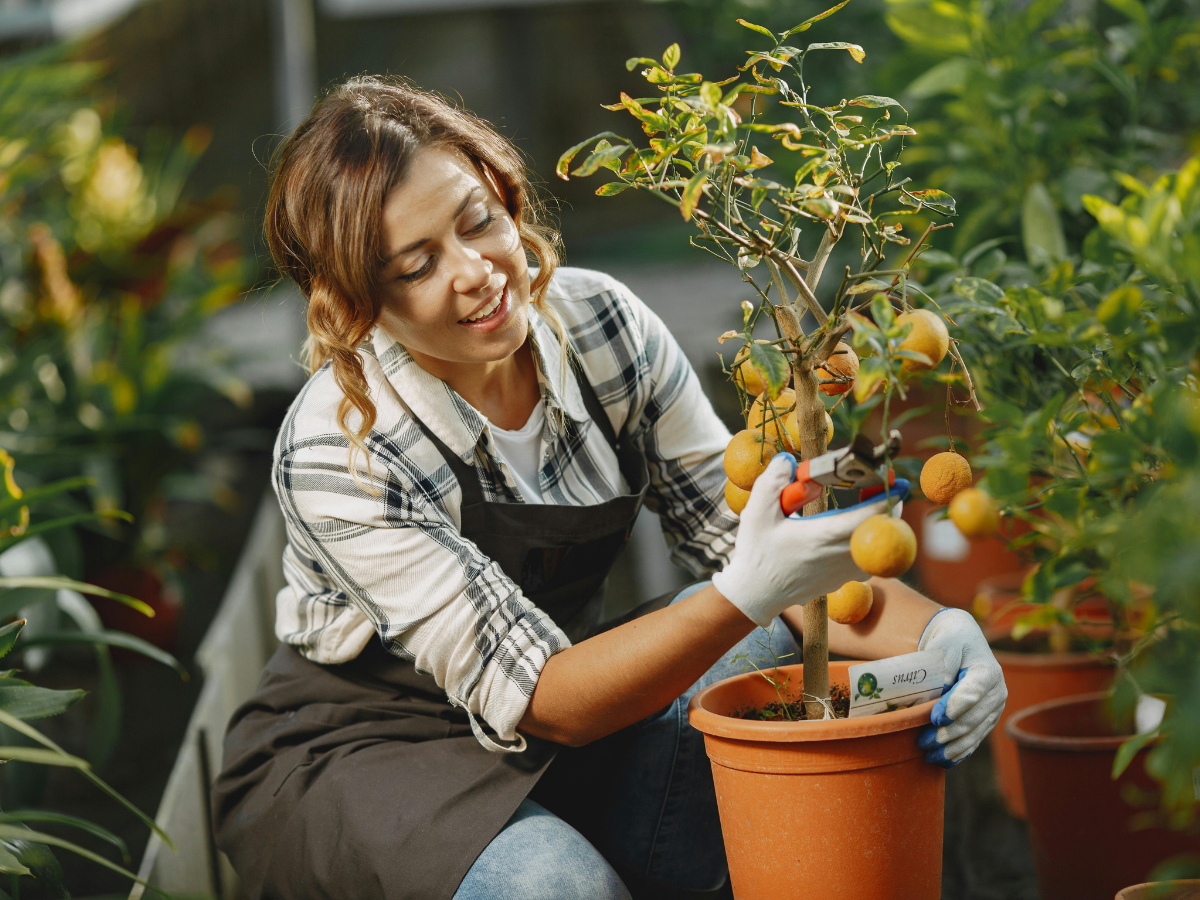
A successful pruning guide is about more than knowing how to make a cut. It also involves having a clear plan before you begin. Pruning without a strategy often leads to uneven growth, excessive branch removal, or missed opportunities to improve the plant’s health.
Taking a few minutes to evaluate each tree or shrub before picking up your tools helps you make intentional decisions rather than reacting as you go. Whether you’re maintaining ornamental shrubs, shaping young trees, or restoring an overgrown landscape, a simple pruning plan can produce better long-term results.
Step 1: Evaluate the Plant Before Making Any Cuts
Start by observing the plant from several angles. Resist the urge to begin cutting immediately. Instead, look for obvious problems and determine what the plant actually needs.
Ask yourself a few questions:
- Are there dead, broken, or diseased branches?
- Are branches crossing or rubbing against one another?
- Is the canopy overcrowded and blocking sunlight?
- Has the plant outgrown its intended space?
- Are you pruning for health, appearance, safety, or increased flowering?
Having a clear objective prevents unnecessary pruning and helps preserve the plant’s natural structure.
Step 2: Choose the Right Time to Prune
Timing is one of the most important parts of any pruning guide. Although late winter and early spring are ideal for many deciduous trees and shrubs, not every plant should be pruned at the same time.
For example, spring-flowering shrubs should usually be pruned after they bloom so you don’t remove developing flower buds. Trees with damaged or hazardous branches, however, should be addressed whenever safety is a concern.
Matching your pruning schedule to each plant’s growth cycle encourages faster recovery and healthier future growth.
Step 3: Gather the Right Tools
Before making your first cut, make sure your equipment is clean, sharp, and appropriate for the size of the branches you’ll be removing.
For most routine jobs, you’ll need:
| Tool | Best Use |
|---|---|
| Pruning shears | Small stems and branches up to ¾ inch |
| Loppers | Medium branches up to 1½ inches |
| Pruning saw | Larger limbs and mature branches |
| Safety gloves and eye protection | Protect hands and eyes while working |
Sharp tools create smooth cuts that heal more quickly, while clean blades reduce the risk of spreading disease between plants.
Step 4: Prune Methodically
Work from the most important tasks to the least. Begin by removing dead, damaged, or diseased wood, then eliminate crossing branches and overcrowded growth before making any cosmetic shaping cuts.
Stepping back every few minutes allows you to evaluate the plant’s balance and prevents over-pruning. It’s much easier to remove another branch than to replace one that’s already been cut.
Whenever possible, preserve the plant’s natural growth habit instead of forcing it into an artificial shape.
Step 5: Monitor the Plant After Pruning
The work doesn’t end once pruning is complete. Continue observing the plant over the following weeks to make sure it responds well.
Watch for healthy new growth, check for signs of stress during dry weather, and maintain consistent watering if rainfall is limited. If additional shaping is needed, it’s usually best to wait until the appropriate pruning season rather than making repeated cuts immediately.
Following a thoughtful pruning guide helps turn pruning into a long-term maintenance practice instead of a one-time project.
By evaluating each plant, choosing the right timing, using proper tools, and pruning with a clear purpose, you’ll encourage healthier growth, stronger branch structure, and a more attractive landscape year after year.
Recent Innovations in Pruning Techniques and Plant Science
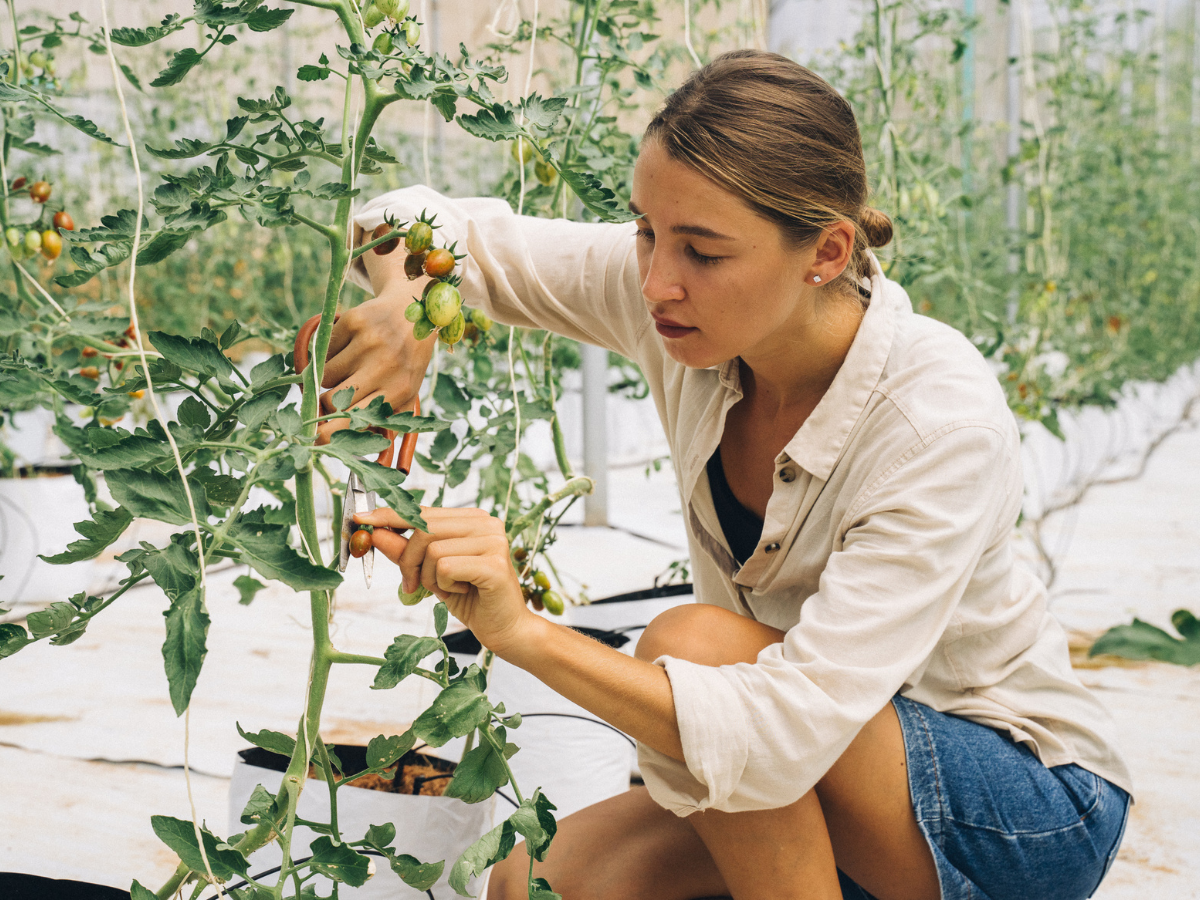
Pruning has become more precise over the last decade, thanks to ongoing research into plant biology, improved tool design, and a better understanding of how trees and shrubs respond to different pruning methods.
Rather than relying on outdated rules or aggressive trimming, modern pruning focuses on making strategic cuts that support healthy growth, reduce stress, and preserve the plant’s natural structure.
If you’re following a pruning guide to keep your landscape healthy, it’s worth knowing that today’s best practices emphasize working with a plant’s natural growth habits instead of forcing it into a particular shape.
This approach not only improves appearance but also encourages stronger branching, better flowering, and greater resilience over time.
Smarter Pruning Tools Improve Results and Reduce Effort
While traditional hand pruners, loppers, and pruning saws are still the foundation of most pruning jobs, manufacturers have introduced several innovations that make the work easier and more accurate.
Many modern tools now feature ergonomic handles, lightweight materials, and improved blade designs that reduce fatigue during longer pruning sessions. Precision-ground bypass blades create cleaner cuts than older anvil-style pruners, helping branches heal more efficiently and lowering the risk of unnecessary damage.
For larger trees, telescoping pole pruners have also become more versatile, allowing homeowners to safely reach higher branches without climbing a ladder for routine maintenance.
Regardless of how advanced a tool is, regular maintenance remains essential. Sharp, clean blades produce smoother cuts, while disinfecting tools between plants helps prevent the spread of diseases, especially when pruning infected branches.
Research Continues to Reinforce Species-Specific Pruning
One of the biggest developments in recent research is the recognition that there is no universal pruning method that works for every plant. Trees and shrubs have unique growth patterns, flowering habits, and recovery processes, so effective pruning depends on understanding the biology of each species.
For example, pruning a spring-flowering shrub immediately after it blooms preserves next year’s flower buds, while pruning it in late winter could significantly reduce flowering. Likewise, fast-growing shade trees often require a different approach than slow-growing ornamental species.
Research also continues to support several long-established best practices that remain the foundation of every reliable pruning guide:
- Make cuts just outside the branch collar rather than cutting flush against the trunk.
- Remove dead, damaged, and diseased branches before addressing shape or appearance.
- Avoid removing excessive live growth during a single pruning session.
- Time pruning around the plant’s natural growth cycle whenever possible.
Following these principles helps plants recover more efficiently while maintaining their structural strength.
Precision Pruning Is Replacing Heavy Trimming
Another important shift is the move away from severe pruning toward selective canopy management. Instead of removing large portions of a tree or shrub simply to reduce its size, modern pruning aims to improve the plant’s overall health by removing only the branches that no longer serve a purpose.
Selective pruning can:
| Practice | Why It Matters |
|---|---|
| Removing crossing branches | Prevents rubbing wounds that can invite pests and disease. |
| Thinning crowded growth | Improves airflow and light penetration throughout the canopy. |
| Eliminating weak or damaged limbs | Encourages stronger, more stable branch development. |
| Preserving the natural shape | Maintains healthier growth and creates a more attractive landscape. |
This targeted approach often reduces the need for frequent corrective pruning and helps plants maintain a balanced structure as they mature.
Technology Is Helping Professionals Make Better Pruning Decisions
Professional arborists are also benefiting from new technology that supports more informed pruning decisions. Digital tree assessment tools, mapping software, and drone inspections make it easier to identify damaged limbs, monitor canopy health, and prioritize maintenance before problems become more serious.
While most homeowners won’t need these advanced tools, the research behind them reinforces an important lesson: effective pruning is based on observation, planning, and understanding how each plant grows rather than simply removing branches because they appear overgrown.
What This Means for Your Pruning Routine
The latest innovations haven’t changed the fundamentals of pruning. Instead, they’ve refined them. The emphasis has shifted toward making fewer, more purposeful cuts that align with the way each plant naturally grows.
As you continue using this pruning guide, remember that successful pruning isn’t about removing as much growth as possible. It’s about knowing when to prune, where to make each cut, and how to support the long-term health of your trees and shrubs.
Combining species-specific knowledge with quality tools and thoughtful pruning techniques will consistently produce healthier plants and better-looking landscapes.
Conclusion
Proper pruning is one of the best ways to keep your trees and shrubs healthy, attractive, and growing their best year after year. By removing damaged branches, encouraging healthy growth, and pruning at the right time of year, you can improve plant health while enhancing the beauty and safety of your landscape.
Whether you need routine tree and shrub maintenance or a complete landscape transformation, working with experienced professionals can help your outdoor space thrive.
For expert landscaping services and personalized outdoor solutions, choose Glover Landscapes. If you’re ready to keep your landscape looking its best, call (404) 982-4176 to speak with the team at Glover Landscapes or visit their website to get your free landscaping estimate today.