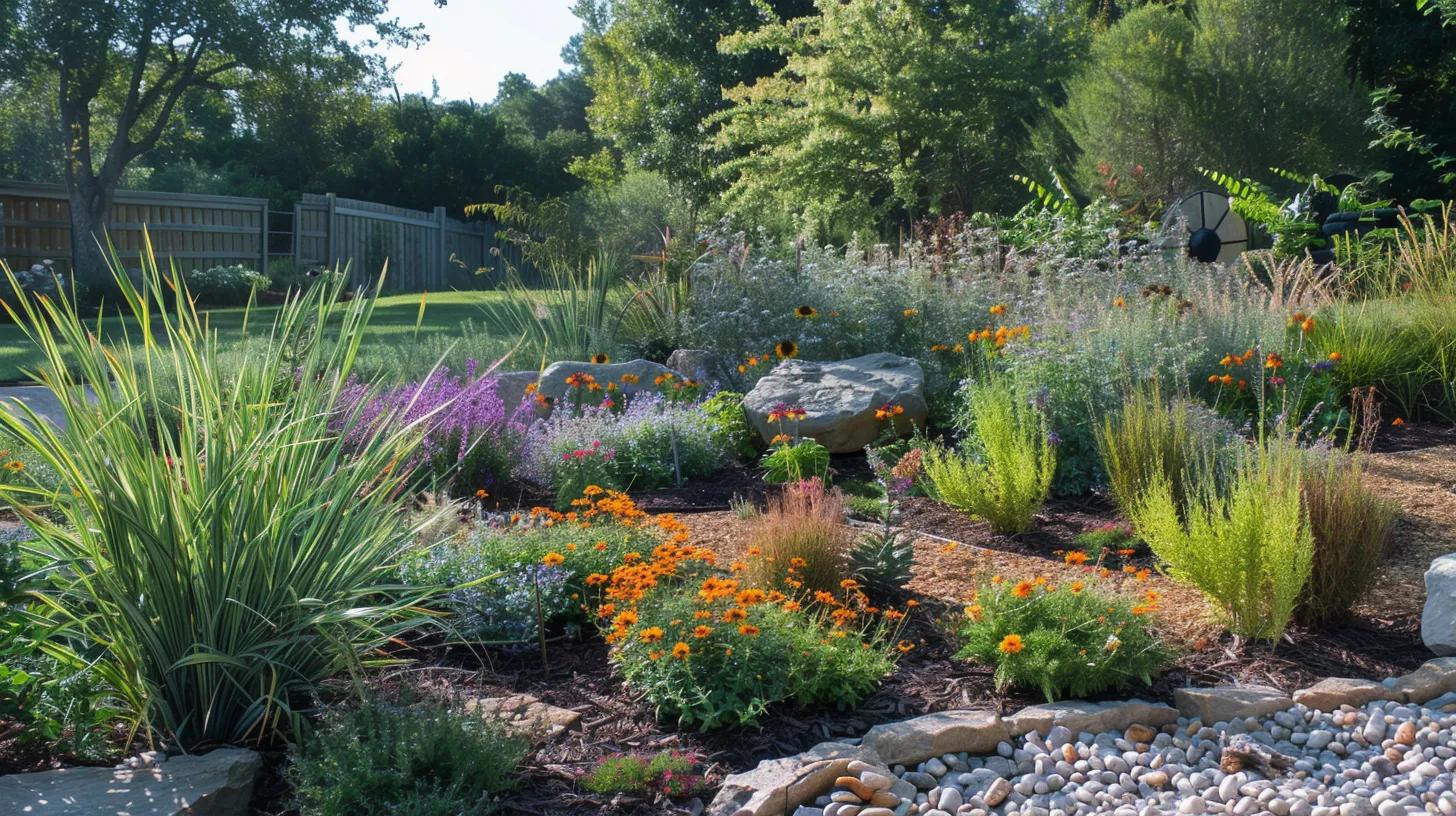
Atlanta landscapes have to handle a challenging mix of intense summer heat, periods of limited rainfall, and sudden heavy storms. Choosing plants that can adapt to those conditions can mean the difference between a landscape that constantly needs attention and one that remains resilient through seasonal changes.
Drought-tolerant plants and landscaping offer Atlanta homeowners a practical way to reduce supplemental watering without settling for a sparse or uninspired yard.
Native and well-adapted trees, shrubs, ornamental grasses, and perennials can provide color, texture, shade, and habitat while requiring less water once established.
This guide explores drought-tolerant plant choices that perform well in Atlanta, along with smart landscaping strategies for improving soil, conserving moisture, and creating an attractive yard designed for the realities of Georgia’s climate.
How Drought-Tolerant Plants Support Water-Wise Landscaping
What Makes a Plant Drought-Tolerant in an Atlanta Landscape?
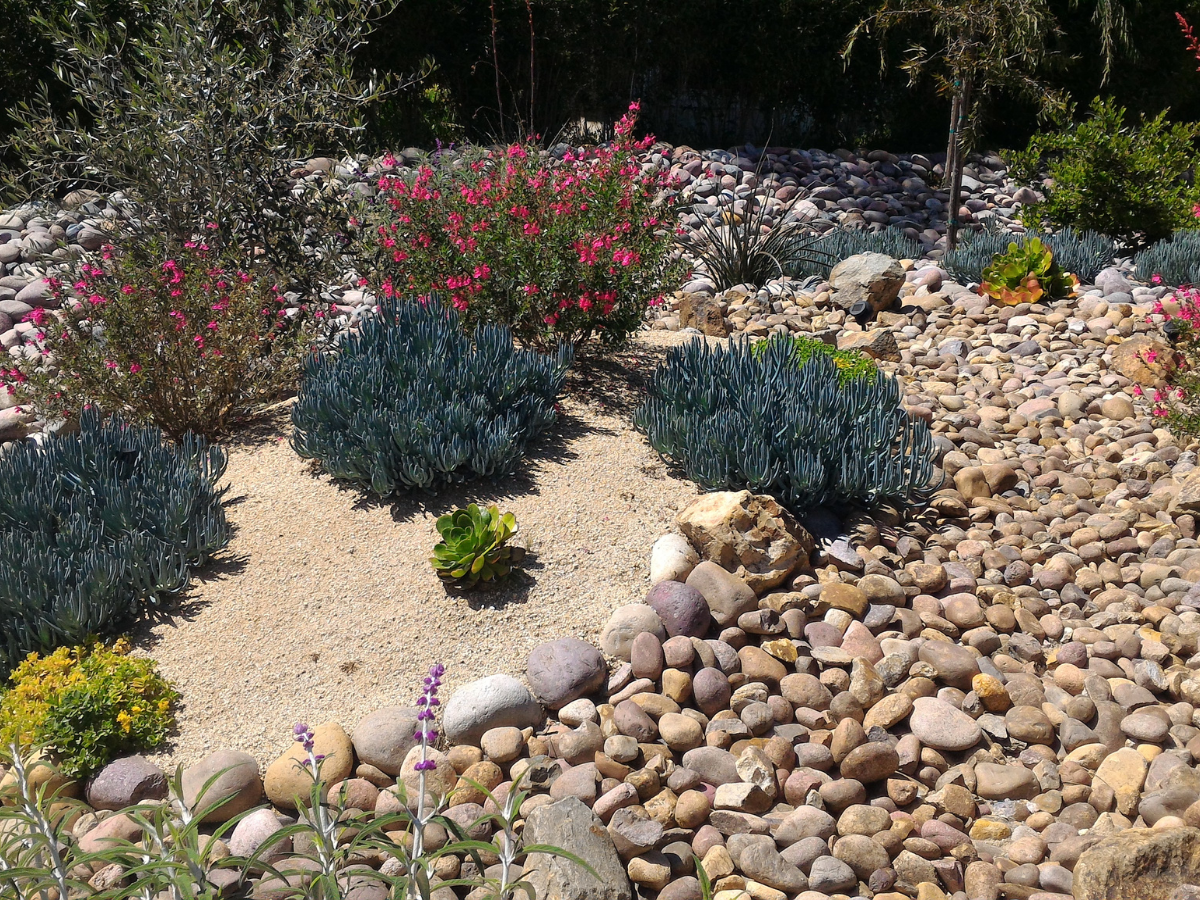
A drought-tolerant landscape is not simply a collection of plants that can survive without watering. Successful plants still need to match the yard’s sunlight, soil, drainage, and available growing space.
In Atlanta, that distinction matters because hot summers can alternate between dry stretches and periods of heavy rainfall, while clay-heavy soils may hold water long after a storm.
Drought-tolerant plants are able to withstand periods of limited moisture once established. Depending on the species, they may have deep or extensive root systems, relatively small or thick leaves, or growth habits that help reduce moisture loss.
That does not mean newly planted specimens can be ignored. Even drought-resistant plants generally need consistent watering while their root systems become established.
Native plants can be particularly useful, but “native” does not automatically mean “drought-tolerant.” Georgia includes wetlands, forests, rocky uplands, meadows, and other habitats, so native species have very different moisture requirements.
UGA Cooperative Extension specifically cautions that some Georgia natives require consistently moist conditions and will perform poorly on dry sites.
Match Native Plants to the Conditions in Your Yard
The strongest plant choice is one adapted to both the region and the specific planting site.
Before selecting drought-tolerant plants, check:
| Site Condition | What to Look For |
|---|---|
| Full sun | Plants tolerant of prolonged heat and direct afternoon sunlight |
| Partial shade | Species that remain healthy with fewer hours of direct sun |
| Heavy clay | Plants that tolerate slower drainage without developing root problems |
| Sloped areas | Root systems capable of establishing in drier, faster-draining soil |
| Low spots | Moisture-tolerant plants rather than species that demand dry conditions |
Atlanta’s planting conditions can vary substantially even within the same property. A sunny bed beside a driveway may become extremely hot and dry, while a low area twenty feet away can remain wet after rainfall. Understanding Atlanta planting zones and site conditions can help narrow the plant list before color, height, or flowering season enter the decision.
Which Drought-Tolerant Plants Work Well Around Atlanta?
Plant selection should be made at the species and cultivar level rather than relying on broad labels such as “native perennial” or “low-maintenance plant.”
Several options worth considering include:
- Black-eyed Susan (Rudbeckia hirta): This familiar yellow-flowering plant performs well in sunny locations and becomes drought-tolerant after establishment. It also provides value for bees and butterflies. UGA lists it as native across most of the continental United States and suitable throughout Georgia.
- Purple coneflower (Echinacea purpurea): Purple coneflower handles dry to moderately moist conditions and full sun to light shade. It is widely grown in Georgia, although UGA notes that the commonly cultivated species originated farther west, so it should not automatically be described as a Georgia native.
- Georgia-native Rudbeckia species: Gardeners who specifically want native alternatives can consider locally appropriate Rudbeckia species. Different species have different moisture preferences, so identification matters.
- Liatris: Several Liatris species are native to Georgia and offer tall summer-to-fall flower spikes, strong heat tolerance, and a useful vertical contrast to lower-growing perennials.
- Little bluestem: This native ornamental grass can add fine texture and movement to sunny naturalistic plantings. UGA includes little bluestem among native grasses suitable for Georgia landscapes.
Lantana can still be a useful drought-resistant ornamental in Atlanta landscapes, particularly in sunny locations, but it should be categorized separately from native selections. UGA describes hardy lantana cultivars as drought-resistant once established rather than identifying lantana generally as a Georgia native.
Design for More Than Drought Survival
A planting bed works better when the species complement one another rather than merely sharing low water requirements.
Combine different heights, textures, flowering periods, and growth habits. Black-eyed Susan and coneflower can supply summer color, while native grasses provide structure after flowers fade.
Mixing plants that peak at different times can also produce seasonal color suited to Atlanta landscapes without depending heavily on thirsty annuals or frequent seasonal replacement.
Spacing deserves equal attention. Crowding drought-tolerant plants may create competition for moisture and airflow problems as they mature. Plant according to expected mature width rather than how small specimens appear at installation.
Plan for Establishment Before Reducing Irrigation
One of the easiest mistakes is assuming a drought-tolerant plant should receive very little water immediately after planting.
New roots initially occupy only a small portion of the surrounding soil. Supplemental irrigation helps them expand outward until the plant can access a larger reservoir of moisture. UGA notes that even drought-tolerant native plants often require supplemental watering during establishment.
Once established, watering can usually become less frequent, depending on rainfall, soil, species, and site exposure. Mulch can also moderate soil temperature and slow moisture loss, although it should not be piled against stems or trunks.
The most resilient Atlanta landscape therefore comes from matching the plant to the site, not simply buying anything labeled drought-resistant. Choosing species for actual sun, drainage, soil, mature size, and moisture conditions produces a landscape that can handle dry periods while still looking intentional throughout the year.
How Drought-Tolerant Plantings Can Support Biodiversity
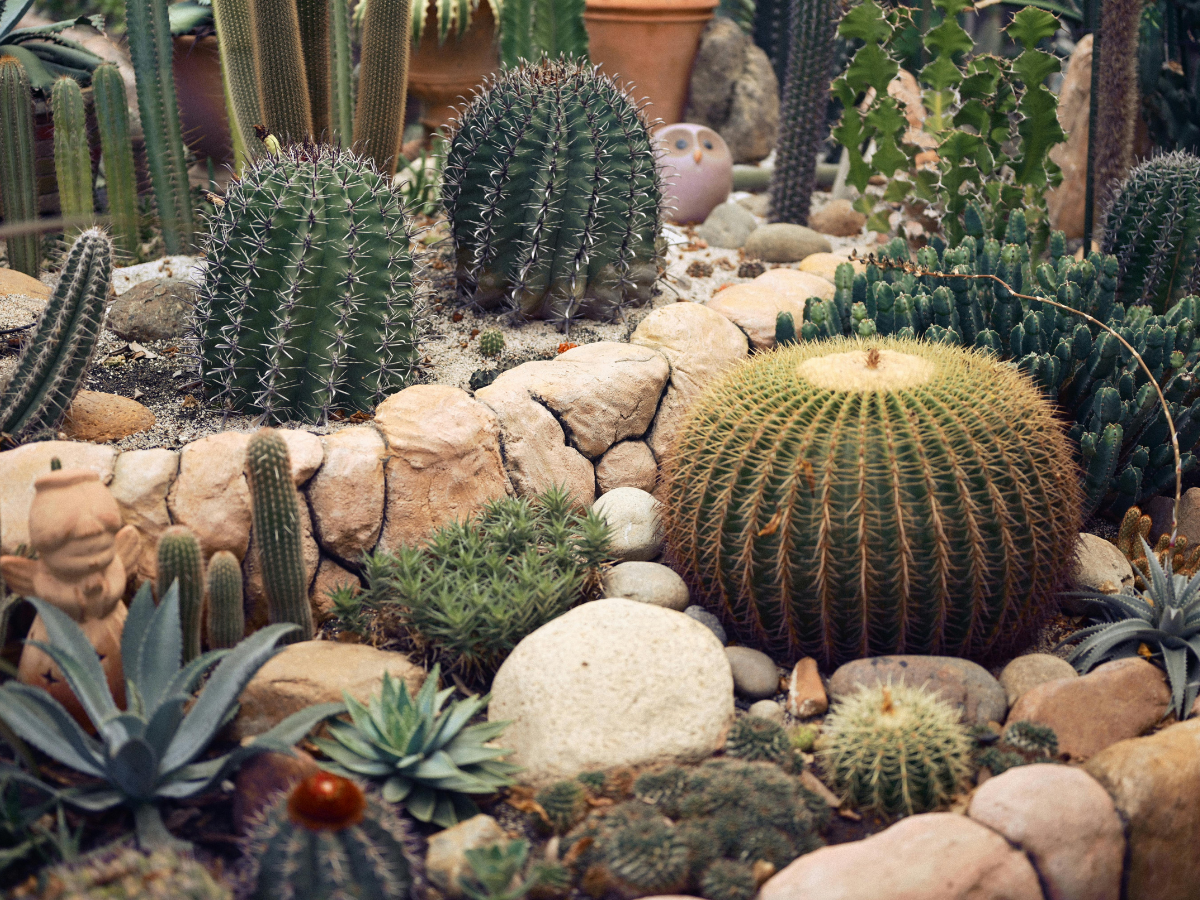
A drought-conscious landscape does not have to trade ecological value for lower water use. In fact, a thoughtfully planted yard can do both.
The strongest designs use drought-tolerant plants as part of a larger plant community, with different species providing food, shelter, seasonal interest, and habitat throughout the year.
The key is diversity with purpose. Planting five varieties that all bloom at the same time may create a colorful garden for a few weeks, but it offers less ecological value than a landscape with overlapping bloom periods, varied plant heights, seed-producing species, grasses, shrubs, and ground-level cover.
Build a Landscape With Several Plant Layers
Natural plant communities rarely consist of one type of vegetation at a single height. Residential landscapes can borrow from that structure without looking wild or unplanned.
A layered planting might combine:
- Small trees or large shrubs for shade, nesting opportunities, and structural cover
- Medium shrubs that provide flowers, berries, or dense foliage
- Flowering perennials for nectar and pollen
- Native grasses that add shelter, seeds, and winter structure
- Low-growing plants that protect exposed soil
These layers give insects, birds, and other wildlife more places to feed and shelter while also making the landscape visually richer.
Planting in groups can be particularly effective. Repeating three, five, or more plants of the same flowering species creates a more noticeable target for pollinators than scattering isolated specimens throughout a large property. Repetition also makes biodiverse planting look intentional rather than random.
Extend Bloom and Food Sources Across the Seasons
Biodiversity is not only about how many species are present. Timing matters.
A garden dominated by spring bloomers may provide abundant resources early in the year and very little later. A stronger planting plan includes species that flower or produce seeds and fruit at different times.
For an Atlanta landscape, that can mean pairing spring-flowering shrubs with summer perennials, late-season flowers, grasses, and plants that retain berries or seed heads into fall and winter.
Butterfly weed is one example of a drought-tolerant native perennial that fits well into this type of planting. Its flowers support pollinating insects, while its preference for sunny, relatively dry conditions makes it useful in water-conscious landscapes. Other examples of Atlanta’s native flora and fauna can help illustrate how individual plant choices fit into the region’s broader ecology.
Leaving some seed heads standing after flowering can extend that value further. A perfectly cut-back garden may look tidy, but removing every stem and seed head immediately can also remove winter food and shelter.
Avoid Turning a Low-Water Garden Into a Monoculture
Replacing a conventional lawn with one drought-tolerant species may reduce irrigation, but it does not necessarily create a biodiverse landscape.
Large monocultures are visually simple and easy to maintain, yet they provide fewer habitat types than mixed plantings. They can also make a landscape more vulnerable if a pest, disease, or weather event affects that particular species.
Diversity spreads that risk. If one plant struggles during an unusually wet summer or severe cold snap, other species may continue performing well.
For drought-tolerant plants, this is especially important because “drought tolerant” describes only one aspect of performance. A plant may handle dry soil beautifully but fail in heavy clay, poor drainage, deep shade, or prolonged humidity. Mixing species with slightly different tolerances creates a more adaptable planting overall.
Include Host Plants, Not Just Flowers
Pollinator-friendly landscaping often focuses heavily on nectar-producing flowers. Those are valuable, but some insects also depend on particular host plants during earlier stages of their life cycle.
Milkweeds are a familiar example because monarch caterpillars depend on plants in the milkweed genus. Other butterflies and moths have their own host relationships with grasses, shrubs, and trees.
A biodiverse landscape therefore benefits from asking two questions:
- What will adult pollinators feed on?
- What plants will support their larvae or provide shelter?
That broader view produces a more functional habitat than simply choosing whichever flowers attract the most visible butterflies.
Let Water Management Support the Ecosystem
Biodiversity planning can also extend beyond dry planting beds.
Some Atlanta properties contain both drought-prone areas and low spots that periodically collect stormwater. Those areas should not necessarily receive the same plants. A landscape may use drought-tolerant species on hot slopes while reserving moisture-tolerant natives for depressions or drainage corridors.
A properly designed rain garden can turn one of those wetter areas into useful habitat while slowing and absorbing runoff. That creates a more varied landscape without forcing drought-loving plants into locations where they are likely to struggle.
Manage the Garden With Wildlife in Mind
Plant selection gets most of the attention, but maintenance choices influence biodiversity too.
Reducing unnecessary pesticide use can help protect beneficial insects along with the pests being targeted. Mulching appropriately protects soil and moderates moisture, while leaving selected stems, grasses, and seed heads in place through winter can provide additional shelter and food.
None of this requires allowing the yard to become overgrown. Strong landscape design can combine clean edges, repeated plant groupings, defined pathways, and deliberate open space with ecologically useful planting.
The goal is not maximum plant variety for its own sake. It is a resilient mix of drought-tolerant plants that suit the site, perform at different times of year, and collectively provide more ecological value than any single species could on its own.
How to Start a Xeriscape Garden in Atlanta
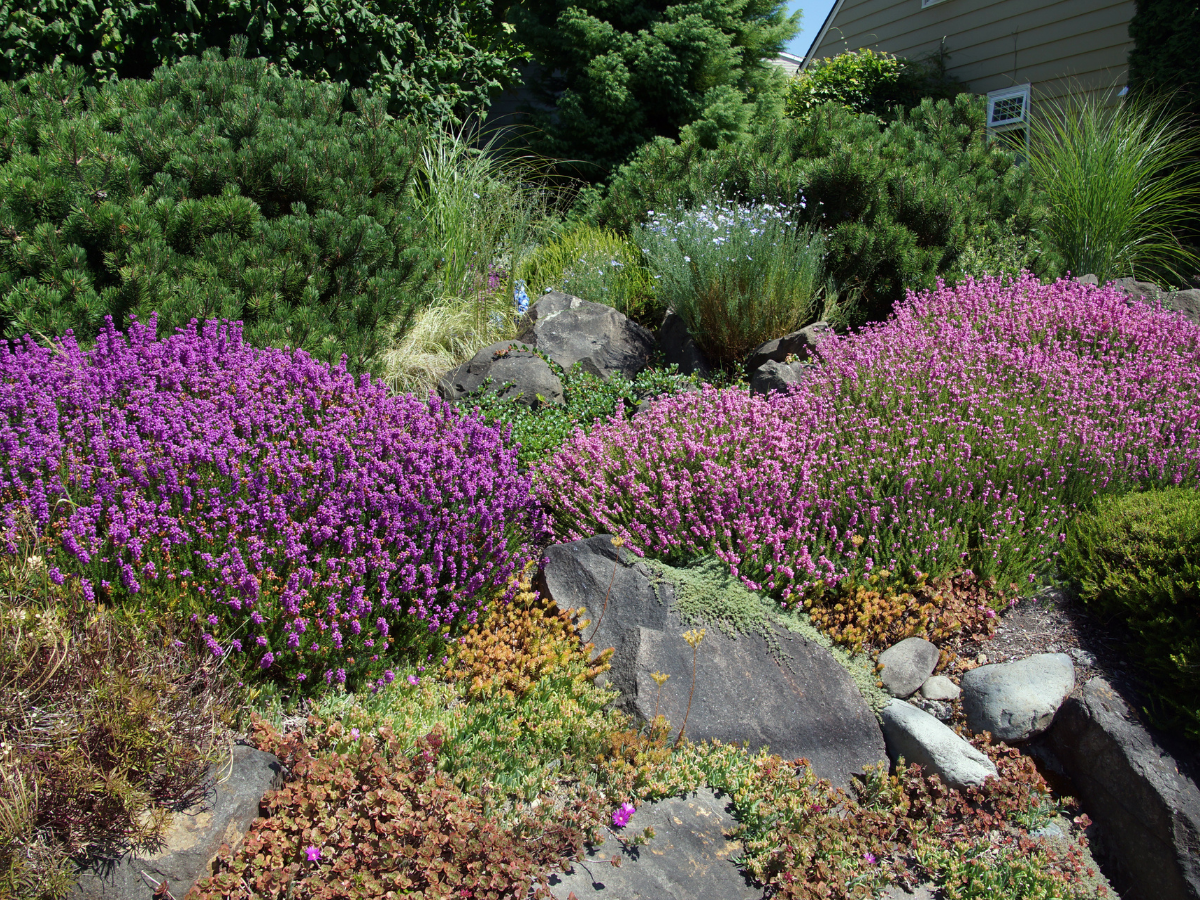
Xeriscaping is a landscape-design approach that reduces unnecessary irrigation by putting the right plants in the right places, improving how soil handles moisture, and directing water where it provides the most value. It does not mean replacing a yard with gravel or eliminating irrigation altogether.
For Atlanta homeowners, successful xeriscaping requires another consideration: the region receives substantial rainfall, but that water does not always arrive evenly throughout the growing season.
A yard may experience periods of intense rain followed by hot, dry weather. Heavy clay soils can complicate matters further by holding too much water in some locations while exposed slopes and sunny beds dry quickly. That makes site planning more important than simply filling beds with drought-tolerant plants.
Map Sun, Moisture, and Drainage Before Choosing Plants
Start by observing the property rather than shopping for plants.
Note which areas receive full afternoon sun, which remain shaded, where rainwater collects, and which spots dry quickly after a storm. Also identify slopes, downspout outlets, compacted areas, and places where established plants already struggle.
A basic site map can divide the yard into moisture zones:
- Dry zones: Hot slopes, areas near pavement, exposed beds, and locations with fast drainage
- Moderate zones: Typical planting beds that retain some moisture without remaining saturated
- Moist zones: Low areas, drainage paths, and places where water naturally collects
Reserve drought-tolerant plants for sites that actually suit them. Putting a dry-soil perennial into a low area that remains saturated after Atlanta thunderstorms defeats the purpose of careful plant selection.
Persistent puddling, erosion, or runoff should also be addressed before planting. In those situations, fixing the underlying landscape drainage problem may be more important than choosing another drought-resistant species.
Group Plants by Similar Water Needs
One of the most useful xeriscaping principles is hydrozoning, or grouping plants according to how much water they require.
Instead of placing thirsty plants between species that tolerate dry soil, create distinct planting areas. Plants with similar moisture requirements can then receive the same irrigation treatment without overwatering one group to keep another alive.
This approach can also influence where higher-water plants belong. A homeowner does not necessarily have to eliminate every hydrangea, vegetable bed, or moisture-loving ornamental to create a water-conscious landscape. Those plants can be concentrated in smaller areas where supplemental water is easier to manage.
The driest areas of the property can then be planted primarily with drought-tolerant plants, ornamental grasses, appropriate shrubs, and other species suited to lower irrigation.
Improve the Soil Without Assuming More Organic Matter Is Always Better
Atlanta’s clay soils are often treated as something that must automatically be heavily amended, but soil preparation should respond to the actual planting conditions.
Some organic matter may improve disturbed or compacted planting areas, but creating isolated pockets of highly amended soil can cause water to behave differently inside the planting hole than in the surrounding native soil. Plant roots ultimately need to establish beyond that small area.
The more useful goal is good soil structure and appropriate drainage across the planting zone.
Before major installation, check whether water drains reasonably after rainfall and whether construction traffic or years of foot traffic have compacted the soil. Problems such as severe compaction, erosion, or standing water should be corrected rather than hidden beneath mulch.
Keep Lawn Where It Has a Purpose
Xeriscaping does not require removing every square foot of turf.
Instead, consider what each lawn area actually does. Grass may make sense where children play, pets exercise, or an open area serves a clear recreational purpose. Narrow strips, difficult slopes, and patches of turf that receive little use may consume maintenance and irrigation without contributing much to the landscape.
Those areas can sometimes be converted into planting beds, groundcovers, paths, or hardscape. The same decision-making process used for a low-maintenance front yard applies here: retain useful elements and redesign portions of the landscape that demand disproportionate upkeep.
Reducing turf selectively often creates a more natural-looking result than eliminating it simply to meet an idea of what a xeriscape should look like.
Use Mulch to Protect the Root Zone
Mulch helps xeriscaped beds retain moisture between rain or irrigation cycles while moderating soil temperature and suppressing weeds that compete for water.
Apply mulch across exposed soil, but avoid piling it against plant stems or tree trunks. Organic mulch will gradually break down and need replenishment, so depth should be checked periodically rather than adding another thick layer every year without evaluating what remains.
Mulch is most useful as part of the overall water-management system. It cannot compensate for poor plant placement, compacted soil, or excessive irrigation.
Water Deeply During Plant Establishment
A common xeriscaping mistake is reducing water immediately after installation because the plants have been labeled drought tolerant.
New plants have limited root systems. Until those roots grow into the surrounding soil, they are more vulnerable to drying out than established specimens.
Water according to soil moisture, weather, plant type, and stage of establishment rather than following a rigid schedule. Deeper, less frequent irrigation generally encourages roots to explore a larger volume of soil compared with repeatedly wetting only the surface.
As the landscape establishes, irrigation can gradually be adjusted. Established drought-tolerant plants should eventually need less supplemental water, although unusually hot or prolonged dry periods may still justify irrigation.
Design Xeriscaping Around Water Efficiency, Not a Particular Look
A xeriscape can be formal, contemporary, cottage-inspired, naturalistic, or traditional. Gravel and succulents are not required, and a water-wise Atlanta landscape does not need to resemble a desert garden.
The defining feature is how efficiently the landscape uses available water.
A strong design places drought-tolerant plants where conditions suit them, groups species with compatible moisture requirements, keeps turf only where useful, protects soil with mulch, and accounts for both drought and heavy rainfall.
Once those pieces work together, reduced irrigation becomes a result of better landscape design rather than the only objective.
What Maintenance Practices Keep Water-Efficient Landscapes Performing Well?
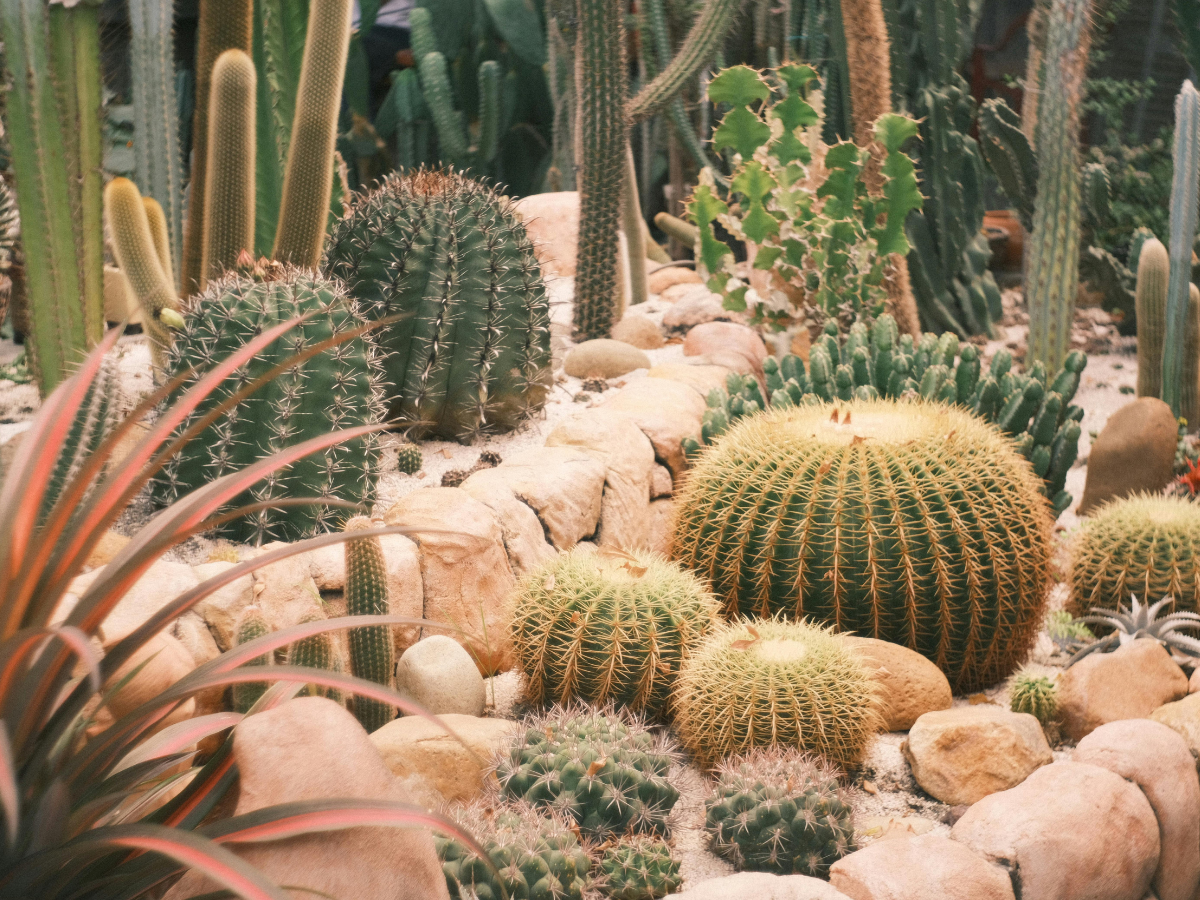
A water-efficient landscape should require less irrigation over time, but it is not maintenance-free. Plants grow, mulch breaks down, irrigation settings drift out of sync with the weather, and weeds compete for the same moisture your landscape is designed to conserve.
The maintenance goal is therefore different from simply keeping everything neat. Each task should help the landscape continue using water efficiently without creating unnecessary work or encouraging excessive growth.
For landscapes built around drought-tolerant plants, that means paying particular attention to irrigation, soil moisture, mulch depth, pruning, weeds, and seasonal changes.
Adjust Irrigation as Plants Become Established
Newly installed plants usually need more consistent watering than mature ones because their root systems have not yet expanded into the surrounding soil. Leaving an establishment schedule in place indefinitely, however, can result in unnecessary irrigation once plants become more resilient.
Review watering rather than allowing an automatic controller to run unchanged throughout the year.
After rainfall, check the soil before assuming irrigation is necessary. During prolonged hot or dry periods, watch for signs of genuine moisture stress rather than watering simply because a particular day has arrived on the schedule.
Drip irrigation can work particularly well in planted beds because it delivers water close to the root zone. Soaker hoses can serve a similar purpose in smaller areas. Whatever system is used, inspect it periodically for clogged emitters, leaks, damaged lines, and water being delivered outside the intended planting area.
Smart controllers and rain sensors can make irrigation easier to manage, but automation still needs oversight. A sensor cannot correct an emitter that has shifted away from a plant or identify a bed that remains unusually wet because of poor drainage.
Water Less Often, but Check How Deeply It Reaches
Frequent shallow watering can keep only the upper portion of the soil moist. Once appropriate for the plant and soil conditions, deeper watering at longer intervals can encourage roots to occupy a larger area and make better use of naturally stored moisture.
The exact schedule will vary. Atlanta’s clay soils behave differently from loose, sandy soils, and a sunny slope may dry much faster than a shaded bed on the same property.
Instead of relying entirely on surface appearance, check moisture several inches into the soil. The top layer may look dry while the root zone still contains adequate water.
This approach is especially useful with drought-tolerant plants. Their ability to handle dry periods should reduce unnecessary irrigation once they are established, not encourage a cycle of routinely keeping the soil wet.
Maintain Mulch Without Continually Adding More
Mulch is valuable in water-conscious landscapes because it slows moisture loss, moderates soil temperatures, and suppresses weeds. It also needs occasional attention.
Organic mulch gradually decomposes and becomes part of the soil. Check existing depth before adding another layer. Continually spreading fresh mulch over material that has not broken down can create an excessively deep bed.
Keep mulch pulled slightly away from tree trunks, shrub stems, and plant crowns rather than piling it directly against them.
Weeds that emerge through the mulch should be removed before they mature and spread. Every weed allowed to establish creates additional competition for water, nutrients, and growing space.
Mulching is one of several practical water conservation strategies for landscapes that work best when combined rather than treated as isolated fixes.
Prune for Plant Health, Not Constant Size Control
Drought-tolerant landscaping becomes harder to maintain when plants are repeatedly forced into spaces that are too small for their mature size.
A shrub that naturally grows six feet wide should not require constant pruning just to remain within a three-foot bed. If heavy cutting is needed every few weeks, plant placement may be the underlying problem.
Routine pruning should focus first on dead, damaged, diseased, or poorly positioned growth. Additional shaping can be done when appropriate for the species and the design.
Avoid automatically cutting every perennial and ornamental grass to the ground as soon as flowering ends. Some spent flowers, stems, and seed heads can provide visual structure and wildlife value through fall and winter.
Cleanup can be timed according to the plant and the appearance desired rather than performed uniformly across every bed.
Watch for Changes Instead of Following a Fixed Maintenance Formula
Water-efficient landscapes become easier to manage when problems are caught early.
During regular walks through the yard, look for:
- Wilted plants despite adequate soil moisture
- Persistently wet areas around drought-adapted species
- Clogged or leaking irrigation components
- Exposed soil where mulch has washed away
- Weeds beginning to establish
- Plants crowding neighboring species
- Unusual leaf discoloration or damage
- Erosion after heavy rainfall
These observations help distinguish a watering problem from issues involving drainage, pests, soil conditions, or plant placement. Increasing irrigation every time a plant looks unhealthy can make some problems worse.
Let Maintenance Requirements Guide Future Changes
A mature landscape provides useful feedback about the original design.
If one bed constantly requires supplemental irrigation while surrounding areas thrive with rainfall, its plant choices may not suit the site.
If a particular low area repeatedly stays saturated, drought-resistant species may need to be replaced with plants better suited to periodic moisture. If annual pruning has become excessive, oversized shrubs may be better replaced rather than continually forced into the wrong space.
Good maintenance is not about preserving the original landscape exactly as installed. It is about allowing the design to evolve as plants mature and site conditions become clearer.
Over time, the most successful water-efficient landscape should become easier to manage.
Established drought-tolerant plants need less intervention, irrigation becomes more targeted, and maintenance shifts from constantly correcting problems to making smaller seasonal adjustments that keep the entire landscape working as intended.
What Atlanta Landscape Examples Reveal About Successful Xeriscaping
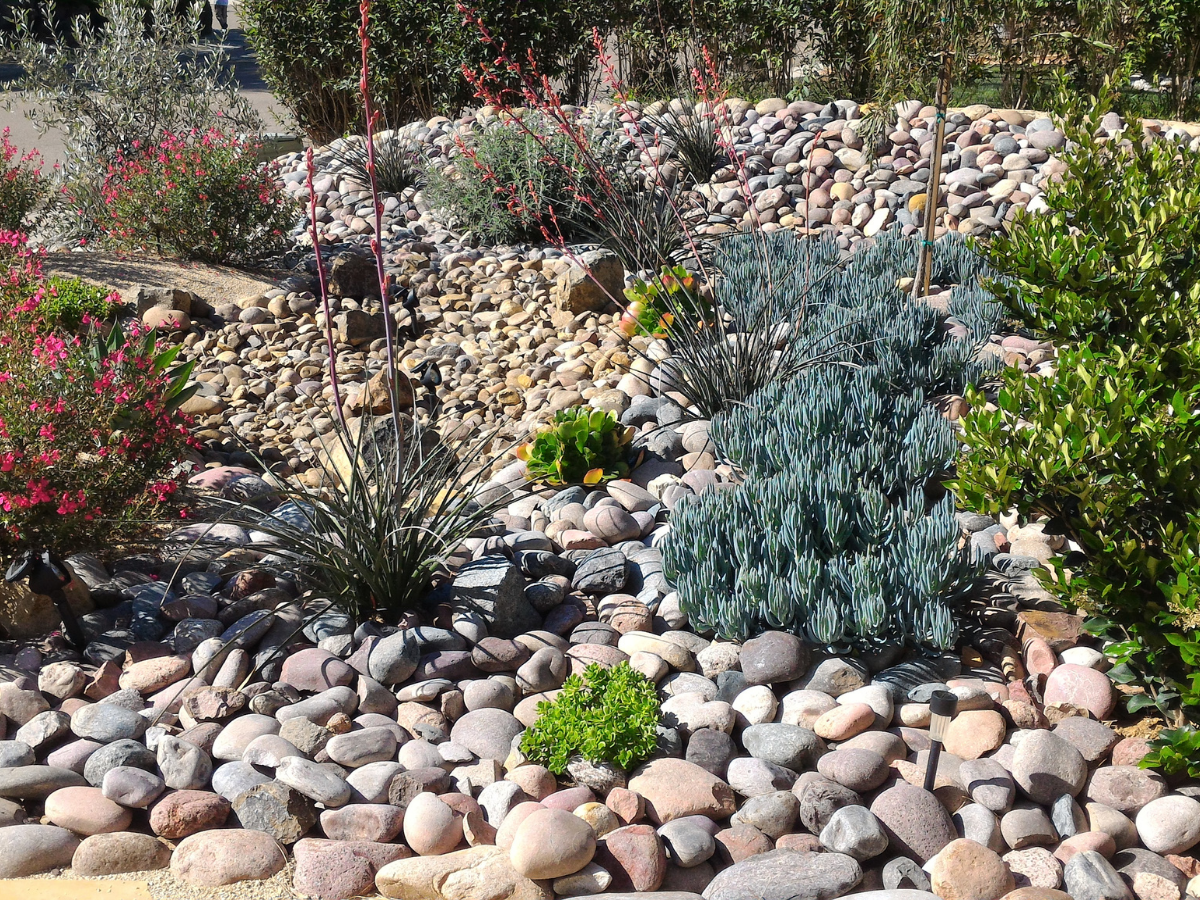
The original examples are too broad to function as true case studies. “Community parks” and “residential projects” do not tell homeowners what was changed, why it worked, or what they can apply to their own property. A stronger section looks at specific Atlanta-area examples and pulls practical lessons from them.
Successful xeriscaping in Atlanta also does not always look like a desert garden. Local examples tend to show something more useful: reduced dependence on supplemental water, careful plant placement, better use of rainfall, and landscapes designed around Atlanta’s heat, humidity, and variable drainage.
Atlanta Botanical Garden’s Rock Garden Shows the Importance of Site Matching
The Rock Garden at the Atlanta Botanical Garden provides a useful example of how drought-tolerant planting can work in Atlanta’s humid climate.
The garden contains plants that tolerate heat, direct sun, wind, and periods of drought. Its success is not based simply on choosing plants labeled drought resistant. The growing environment is intentionally suited to species that need sharp drainage, with rocky and gravelly conditions helping prevent excess moisture around roots.
That distinction matters in residential landscapes. Some drought-tolerant plants can survive dry summers but struggle if they remain wet after frequent storms. Creating a successful planting may therefore require improving drainage or choosing a naturally dry part of the property rather than adding more irrigation.
The broader lesson is simple: plant tolerance only becomes useful when the site supports it.
Hurt Park Demonstrates How Establishment Timing Affects Water Needs
Atlanta’s Hurt Park Native Plant Garden offers another useful lesson. The garden was planted with Georgia native species on a steep slope, and much of the installation occurred during cooler months while Atlanta was experiencing drought conditions.
Planting during a cooler period reduced immediate heat stress and evaporation while roots became established. The project reportedly experienced relatively few plant losses during subsequent hot, dry weather, despite watering restrictions.
For homeowners, the takeaway is not that newly installed drought-tolerant plants never need irrigation. It is that installation timing can influence how much supplemental water they require.
Fall and other mild planting periods can give many perennial plants, shrubs, and trees more time to develop roots before summer heat arrives. Installing the same landscape during a hot, dry stretch can demand much closer watering and monitoring.
Atlanta Botanical Garden’s Water Management Shows Xeriscaping Goes Beyond Plant Choice
Another lesson comes from the Atlanta Botanical Garden’s broader sustainability efforts. Its expansion incorporated water-saving measures, including rainwater capture and storage for landscape irrigation.
That illustrates an important point about xeriscape design: conservation does not depend on drought-tolerant plants alone.
A landscape can reduce demand by combining appropriate plants with strategies that make better use of water already falling on the property.
Depending on the site, that might involve directing roof runoff into suitable planted areas, reducing unnecessary turf, correcting irrigation overspray, or allowing rainfall to infiltrate rather than immediately leaving the property.
For a homeowner, the most effective improvement may therefore differ from one part of the yard to another. A dry front slope might benefit from low-water planting, while runoff from a downspout could be redirected toward vegetation capable of handling periodic moisture.
Residential Xeriscaping Often Works Best as a Partial Conversion
The most transferable residential model is rarely a complete yard replacement.
Consider a typical Atlanta front yard with lawn along the street, a sunny slope near the driveway, foundation shrubs, and a shaded area beneath mature trees. Treating every part of that property as a single xeriscape zone would create unnecessary compromises.
A more practical conversion might:
- Keep lawn where it is actively used or visually important.
- Replace difficult-to-water turf on the sunny slope with drought-tolerant plants.
- Group plants according to similar water needs.
- Preserve shade-adapted species beneath established trees.
- Add mulch to exposed planting beds.
- Adjust irrigation so each area receives only the water it actually requires.
This type of phased approach also makes performance easier to evaluate. Homeowners can see which plants tolerate the site’s conditions before redesigning larger portions of the property.
Successful Projects Share a Few Consistent Traits
Local examples look different, but the principles behind them are remarkably consistent.
Successful water-wise landscapes do not rely on a long list of supposedly indestructible plants. They match vegetation to sunlight and drainage, give new plants enough water to establish, reduce unnecessary irrigation after establishment, and use different strategies for naturally wet and naturally dry areas.
They also accept that Atlanta is not an arid climate. A drought-conscious landscape must handle intense summer heat without creating problems during periods of heavy rainfall.
That is why drought-tolerant plants work best as one part of a larger landscape strategy. The strongest projects conserve water because the entire site has been designed around how water actually moves, where it is needed, and which plants can thrive under those conditions.
How Climate Trends Are Changing Water-Wise Landscaping in Atlanta
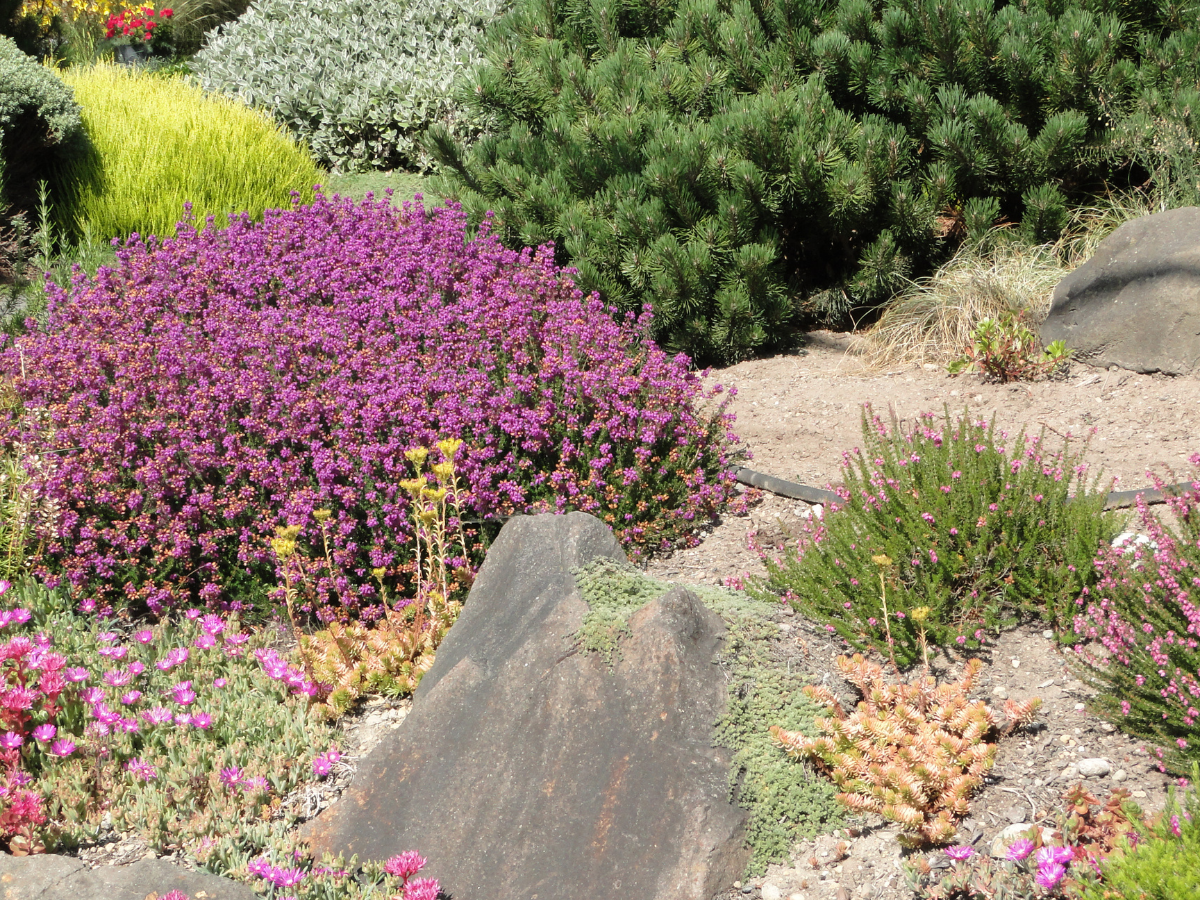
Atlanta landscapes need to handle more than an occasional dry summer. Recent conditions have shown how quickly a yard can move from adequate rainfall to prolonged moisture stress, while high temperatures increase evaporation and plant water demand.
That variability makes landscape resilience increasingly important. In 2025, much of Georgia experienced warmer-than-normal temperatures and below-average precipitation, and by June 2026 more than half of the state remained in severe or extreme drought.
Atlanta itself recorded a warmer-than-normal winter in 2025-26 while receiving substantially less precipitation than its seasonal average.
For homeowners, the practical response is not to design exclusively for drought. A resilient Atlanta landscape needs to tolerate dry periods, intense heat, and episodes of heavy rainfall without requiring constant intervention.
Choose Plants for a Wider Range of Conditions
Drought-tolerant plants can reduce the landscape’s dependence on supplemental irrigation, but drought resistance should not be the only selection criterion.
Atlanta’s climate can expose the same planting bed to very different conditions over the course of a year. Plants may need to withstand summer heat, winter temperature swings, humid weather, and occasional periods of saturated soil.
The best candidates are therefore plants suited to the property’s actual conditions and capable of handling the normal range of stress expected there.
Native species can be valuable, but native status alone does not guarantee resilience. Some Georgia natives naturally grow in moist environments and will struggle in dry beds. Others prefer open, sunny soils and may perform poorly in a shaded or poorly drained location.
A plant’s sun exposure, drainage needs, mature size, and moisture tolerance remain more useful selection criteria than any single label.
Design for Drought Before the Next Dry Period Arrives
Drought resilience is easiest to build before plants begin showing stress.
Established trees and shrubs generally cannot be relocated every time weather conditions change, so decisions about plant placement, soil preparation, mulch, and irrigation should anticipate dry periods from the beginning.
Useful strategies include:
- Concentrating higher-water plants in limited areas rather than spreading them throughout the property
- Reducing turf where it provides little practical value
- Using mulch to limit evaporation from exposed soil
- Preventing irrigation from reaching pavement or other non-planted surfaces
- Choosing drought-tolerant plants for naturally hot and dry parts of the property
- Maintaining enough plant diversity that one weather event is unlikely to affect the entire landscape equally
These practices also make it easier to prioritize water during drought restrictions or unusually dry seasons.
Do Not Design Only for Dry Weather
Water conservation and stormwater management can appear contradictory, but Atlanta landscapes often need both.
A dry slope beside a driveway may benefit from drought-adapted vegetation, while a depression receiving runoff may need plants that tolerate temporary saturation. Trying to use the same low-water species in both locations can create unnecessary plant losses.
Resilient design allows different parts of the yard to perform different jobs.
During dry weather, water-wise planting reduces irrigation demand. During storms, appropriate grading, vegetation, and drainage help slow or redirect excess water. The goal is not to make every square foot equally dry. It is to place plants where the property’s natural water patterns support them.
How Much Water Can Xeriscaping Actually Save?
Xeriscaping can reduce outdoor water use substantially, particularly when it replaces heavily irrigated turf and inefficient watering practices. The exact savings cannot be predicted from plant choice alone.
EPA-reviewed research has found xeriscape water savings ranging from roughly 20% to more than 60% compared with conventional turf-based landscapes in some studies. Another EPA review found that properly designed and maintained xeriscapes often produced savings around 30%, although results differed considerably among projects.
Those figures should not be treated as a guarantee for an Atlanta property.
A yard with extensive irrigated turf has more potential to reduce water use than a mature landscape that already receives little supplemental irrigation. Likewise, replacing grass with drought-tolerant plants will not necessarily produce major savings if the new beds are still watered on an excessive schedule.
The biggest reductions usually come from combining several changes rather than relying on one intervention:
| Landscape Change | Why It Can Reduce Water Use |
|---|---|
| Reduce unnecessary irrigated turf | Shrinks the area requiring frequent supplemental watering |
| Group plants by water needs | Prevents low-water plants from being irrigated to satisfy thirstier neighbors |
| Improve irrigation control | Reduces runoff, overspray, and watering after adequate rainfall |
| Establish drought-tolerant plants | Lowers supplemental water demand once roots are established |
| Maintain mulch | Reduces moisture loss from exposed soil |
| Repair leaks and damaged irrigation | Prevents water from being lost before it reaches plants |
The savings also develop over time. Newly installed drought-tolerant plants still require establishment watering, so the first season may not reflect the mature landscape’s eventual irrigation needs.
Measure Success by Water Use and Plant Performance
A resilient landscape should not be judged solely by whether it survives a drought.
Look at how often established areas require supplemental irrigation, whether plants recover normally after hot periods, where runoff or standing water occurs, and which sections of the yard repeatedly need extra attention.
Water bills can provide another useful comparison, especially when homeowners track similar months before and after landscape changes. Just remember that household water use, rainfall, irrigation restrictions, and weather can all affect the total.
The strongest drought-conscious landscape is one that remains functional across changing conditions.
Drought-tolerant plants help reduce demand, but long-term resilience comes from combining appropriate vegetation, efficient irrigation, thoughtful water management, and a design that works with Atlanta’s variable climate rather than assuming every season will behave the same way.
When Is Professional Help Worth It for Drought-Tolerant Landscaping?
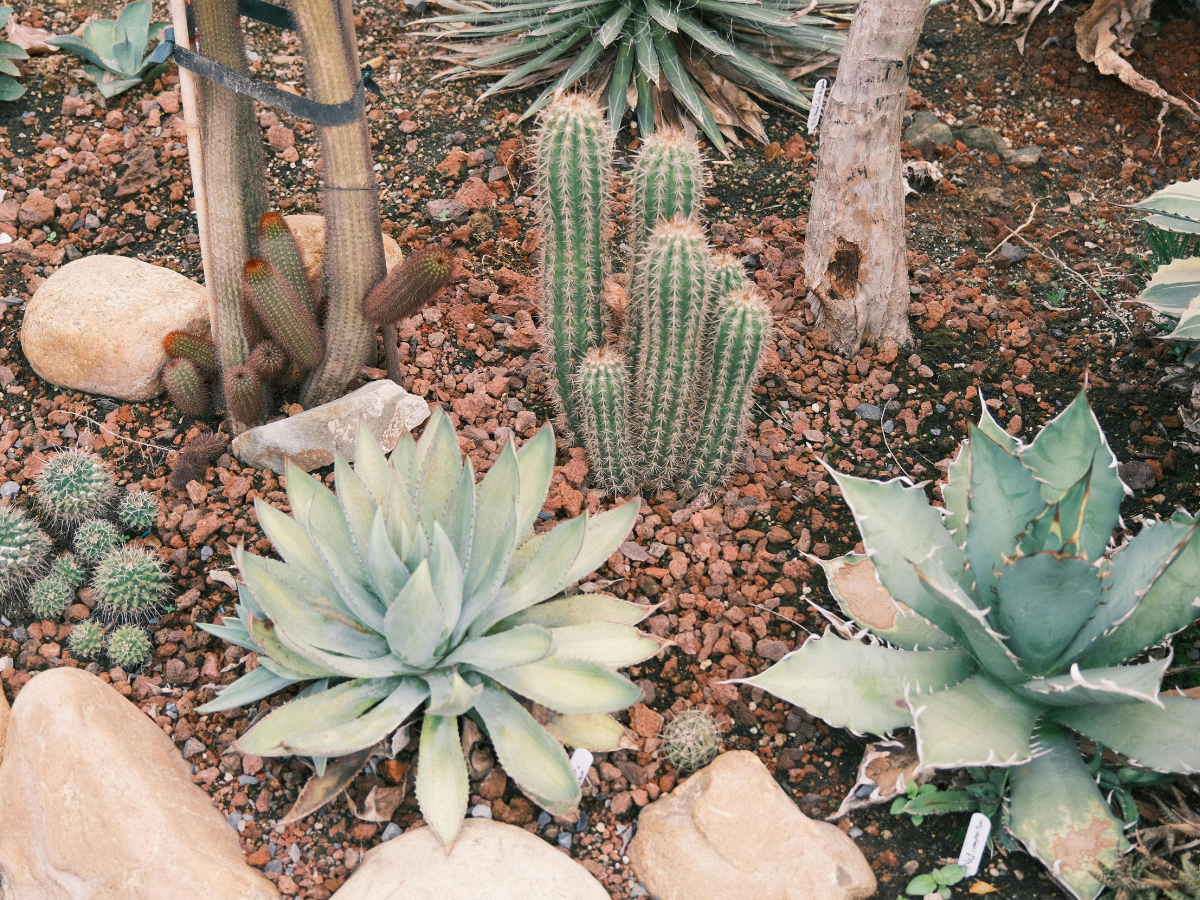
Some drought-tolerant landscaping projects are manageable for homeowners, especially when the work involves replacing a small planting bed, adding mulch, or introducing a few well-matched plants.
Professional assistance becomes more valuable when the project affects drainage, grading, irrigation, mature trees, large areas of turf, or the overall layout of the property.
The decision is less about whether xeriscaping can be done as a DIY project and more about how many parts of the landscape need to work together.
A successful water-wise yard involves more than choosing drought-tolerant plants. Sun exposure, soil conditions, water movement, plant spacing, irrigation, mature plant size, and maintenance requirements all influence whether the finished landscape performs as intended.
Consider Professional Design for Larger Landscape Changes
A small bed can usually be planned one plant at a time. Redesigning an entire front or backyard is more complicated.
Large projects often involve decisions about:
- Which lawn areas should remain and which can be converted
- How planting beds should relate to walkways, patios, and existing trees
- Where naturally dry and moisture-prone areas occur
- How plants will look after reaching mature size
- Which areas need irrigation and which may eventually rely primarily on rainfall
- How the landscape will provide color and structure throughout the year
A professional plan can help organize those elements before installation begins. This is especially useful when homeowners want drought tolerance without creating a sparse landscape dominated by gravel or a few isolated plants.
Thoughtful landscape design in Atlanta can also account for the property’s existing architecture and outdoor-use patterns rather than treating water conservation as a separate design objective.
Get Help When Water Problems Are Part of the Project
Plant selection cannot correct every landscape problem.
If a yard experiences significant erosion, runoff, standing water, or drainage problems, installing more drought-tolerant plants may not solve the underlying issue. In some cases, it can make matters worse if species adapted to dry soil are placed where their roots remain saturated.
Projects involving grading, drainage modifications, irrigation redesign, retaining structures, or major soil work are generally better evaluated before new planting begins.
The same applies when existing irrigation serves several landscape zones. Converting part of a lawn to low-water planting may require changes to sprinkler heads, drip lines, valves, or controller programming so that the new bed is not watered at the same rate as the remaining turf.
Compare Plant Lists With a Complete Planting Plan
One of the easiest DIY mistakes is buying individually attractive plants without considering how they will function together.
A professional planting plan should account for more than what looks good at installation. Ask how each plant performs at mature size, how much sun it needs, what type of drainage it prefers, when it blooms, and how much maintenance it will require.
The plan should also explain spacing. Young shrubs and perennials often look undersized when planted correctly because room has been left for growth. Crowding plants to create immediate fullness may lead to unnecessary pruning, poor airflow, and eventual removal.
For homeowners focused on lower ongoing upkeep, choosing low-maintenance plants for landscaping can be just as important as selecting plants for drought tolerance. A species that survives with little irrigation but requires constant pruning is not necessarily a low-maintenance choice.
Know What Should Be Included in a Professional Proposal
For a substantial xeriscape or drought-conscious landscape project, the proposal should make the scope of work easy to understand.
Look for clear information about plant quantities and sizes, bed preparation, soil work, mulch, irrigation changes, removal of existing materials, drainage work if applicable, and what happens after installation.
Plant establishment should also be discussed. Even drought-tolerant plants normally need supplemental watering while their root systems develop. Ask who is responsible for that watering, how the schedule should change as plants establish, and what signs indicate that adjustments are needed.
A proposal that simply promises a “drought-resistant landscape” without addressing site conditions or establishment care leaves important questions unanswered.
Decide Whether DIY or Professional Installation Fits the Scope
DIY installation may make sense when the project is small, the site has no major drainage problems, and the homeowner is comfortable researching plant requirements and handling establishment care.
Professional help becomes more useful as complexity increases. Slopes, extensive turf removal, irrigation modifications, drainage concerns, large quantities of plants, and complete yard redesigns create more opportunities for one decision to affect another.
Glover Landscapes can be one option for homeowners who want professional help planning or implementing those larger changes, but the same evaluation standard should apply to any landscaping company: the recommendation should respond to the conditions of the property rather than simply provide a generic list of drought-tolerant plants.
The best professional contribution is not access to different plants. It is the ability to turn individual choices about vegetation, water, soil, and layout into a landscape that functions as a complete system.
Conclusion
Choosing drought-tolerant plants can help Atlanta homeowners create attractive, resilient landscapes that require less supplemental watering once established.
By pairing climate-appropriate plants with thoughtful placement, healthy soil, mulch, and efficient irrigation, you can reduce water use without sacrificing color, texture, or curb appeal. A professionally planned landscape can also ensure each plant is suited to the property’s sunlight, drainage, and long-term maintenance needs.
For custom landscape design and professional installation, choose Glover Landscapes. If you’re ready to create a beautiful, water-wise landscape built for Atlanta’s conditions, call (404) 982-4176 to speak with the team at Glover Landscapes or visit their website to get your free landscaping estimate today.