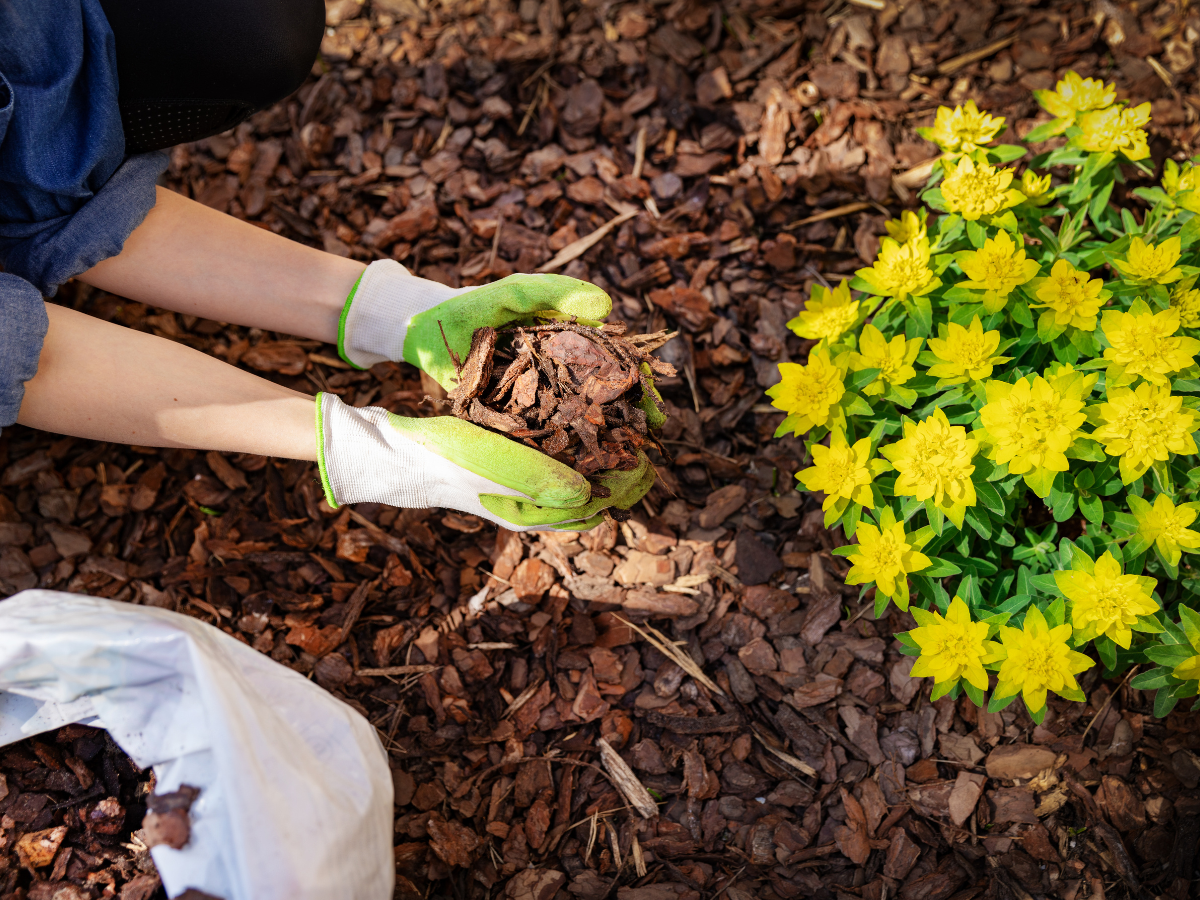
Healthy gardens start with healthy soil, and few landscaping practices deliver as many long-term benefits as proper mulching.
A well-applied layer of mulch helps retain moisture, regulate soil temperature, reduce weed growth, and gradually improve soil quality as organic materials break down. It’s a simple step that can make a noticeable difference in the health and appearance of your landscape.
This mulching guide covers practical tips for creating better garden soil and supporting stronger, more resilient plants. From choosing the right type of mulch to applying the correct depth and refreshing it throughout the year, every decision contributes to a healthier growing environment.
Whether you’re caring for flower beds, shrubs, vegetable gardens, or young trees, these strategies will help you get the most value from mulching while encouraging vibrant, thriving plants.
How This Mulching Guide Helps Reduce Weeds and Save Water
How to Choose the Right Type of Mulch for Your Landscape
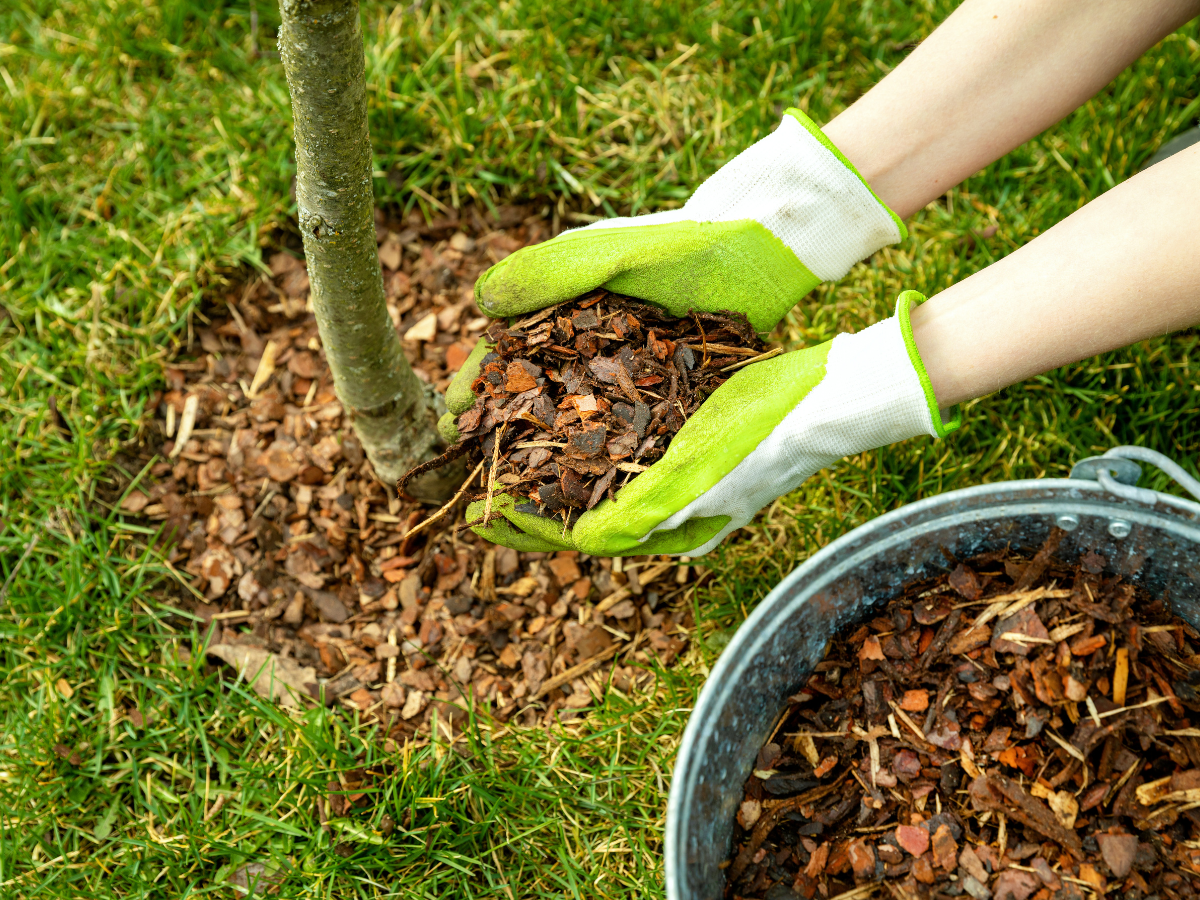
One of the first decisions in any mulching guide is choosing the right material. While all mulch helps suppress weeds and conserve moisture, different products perform better depending on your landscape, maintenance preferences, and planting goals.
Broadly speaking, mulch falls into two categories. Organic mulches are made from natural materials that gradually decompose and improve the soil over time.
Inorganic mulches, such as gravel or stone, remain in place much longer and are often chosen for decorative areas where long-term durability is more important than soil improvement.
The best choice depends less on which type is “better” and more on where the mulch will be used.
Compare the Most Common Mulch Materials
| Mulch Type | Best For | Advantages | Considerations |
|---|---|---|---|
| Shredded bark or wood mulch | Landscape beds, shrubs, trees | Long-lasting, attractive appearance, good moisture retention | Needs periodic replenishment as it decomposes. |
| Wood chips | Around trees, natural landscapes | Excellent weed suppression and erosion control | Larger pieces break down more slowly than shredded mulch. |
| Straw | Vegetable gardens | Conserves moisture while gradually enriching the soil | Can shift in windy conditions and usually needs seasonal replacement. |
| Compost | Garden beds and planting areas | Adds organic matter and improves soil fertility | Breaks down quickly, so it requires more frequent application. |
| Grass clippings | Vegetable gardens and around annual plants | Readily available and adds nitrogen as it decomposes | Apply in thin layers to prevent matting. |
| Gravel or stone | Walkways, rock gardens, xeriscapes | Extremely durable and low maintenance | Does not improve soil and can absorb heat during summer. |
Each material serves a different purpose, which is why many landscapes use more than one type of mulch.
When Organic Mulch Is the Better Choice
Organic mulch is the preferred option for most planting beds because it does more than cover the soil. As it naturally decomposes, it contributes organic matter that improves soil structure, encourages beneficial microorganisms, and increases the soil’s ability to retain moisture.
This makes organic mulch particularly valuable around trees, shrubs, perennial beds, and vegetable gardens where healthy soil directly supports plant growth.
Because it gradually breaks down, organic mulch should be refreshed periodically to maintain the recommended depth and continue providing its benefits.
When Inorganic Mulch Makes More Sense
Inorganic materials such as gravel, crushed stone, and decorative rock are designed for permanence rather than soil improvement.
These products work well in areas where long-term appearance and minimal maintenance are the priorities, including pathways, rock gardens, drainage areas, and landscapes featuring drought-tolerant plants.
Since they do not decompose, they rarely need replacement, although weeds can still emerge if organic debris accumulates on top of the mulch over time. For planting beds where soil health is a primary concern, inorganic mulch is generally less beneficial than organic alternatives.
Match the Mulch to the Landscape
Rather than using a single material throughout your property, consider selecting mulch based on the function of each area.
Vegetable gardens typically benefit from straw or compost because they improve the soil as crops grow. Ornamental landscape beds often look best with shredded bark or wood mulch, which provides an attractive finish while helping retain moisture.
Around mature trees, wood chips offer long-lasting coverage and effective weed suppression. Decorative spaces and pathways are usually better suited to gravel or stone because they remain stable for many years with minimal maintenance.
Choosing mulch this way creates a landscape that is both attractive and practical.
No mulching guide is complete without emphasizing that there is no universally “best” mulch. The right choice depends on your plants, soil conditions, maintenance expectations, and design goals.
By selecting a mulch that matches the purpose of each area in your landscape, you’ll achieve better plant health while reducing the time and effort required to maintain your garden.
How to Apply Mulch Correctly for Healthier Plants
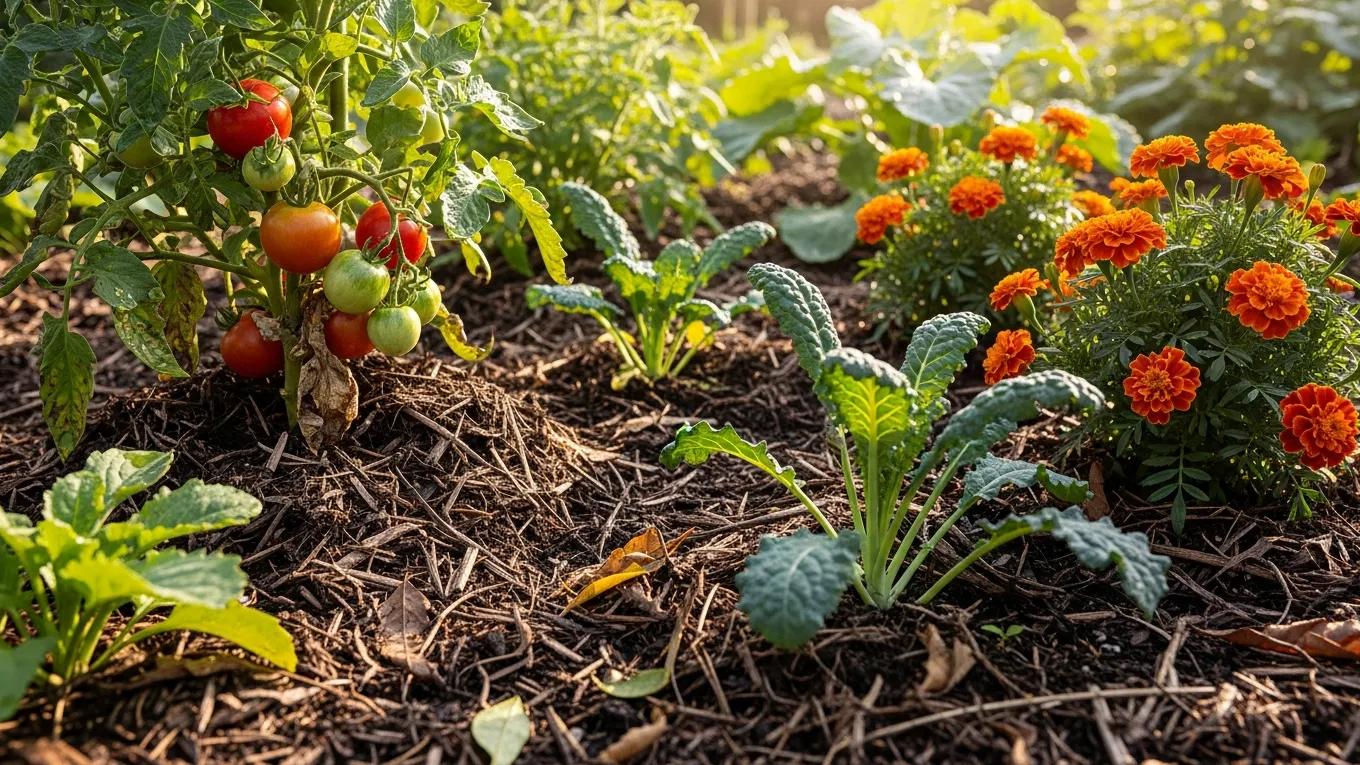
Even the best mulch will not perform well if it is applied incorrectly. Too little mulch does not effectively suppress weeds or retain moisture, while too much can trap excess moisture against stems and limit airflow around plant roots.
One of the most valuable takeaways from any mulching guide is that proper installation matters just as much as choosing the right material. A few simple techniques can help your mulch last longer while protecting the health of your trees, shrubs, flowers, and vegetable beds.
Prepare the Area Before Adding Mulch
Before spreading mulch, take a few minutes to prepare the planting area. Pull existing weeds, remove fallen branches or leaves that have accumulated excessively, and lightly loosen compacted soil if necessary. Watering the soil before applying mulch can also help lock in moisture, especially during warm weather.
Starting with a clean, well-prepared bed allows the mulch to create a more effective barrier against future weed growth and moisture loss.
Follow the Correct Mulch Application Process
Applying mulch is straightforward, but attention to detail makes a significant difference.
| Step | What to Do | Why It Matters |
|---|---|---|
| Prepare the bed | Remove weeds and debris before mulching. | Prevents weeds from becoming trapped beneath the mulch. |
| Spread evenly | Distribute mulch across the soil surface without piling it in one area. | Creates consistent moisture retention and weed suppression. |
| Maintain proper depth | Apply approximately 2 to 4 inches of mulch. | Helps conserve moisture while allowing adequate air movement. |
| Leave space around stems and trunks | Keep several inches between the mulch and the base of plants or trees. | Reduces the risk of rot, disease, and pest problems. |
| Smooth the surface | Lightly level the mulch with a rake. | Improves appearance and helps prevent mulch from washing away. |
Taking a few extra minutes during installation often reduces maintenance throughout the growing season.
Why Mulch Depth Matters
One of the most common mistakes homeowners make is applying either too little or too much mulch.
A layer of approximately 2 to 4 inches is widely recommended because it provides effective weed suppression, helps regulate soil temperature, and slows moisture evaporation without excessively restricting airflow.
Shallower layers tend to break down quickly and allow weeds to emerge more easily, while deeper layers can retain excessive moisture and create conditions that may contribute to stem decay or root problems.
This recommendation applies to most organic mulches, although very coarse materials such as large wood chips may perform well toward the upper end of that range.
Avoid the “Mulch Volcano” Around Trees
A frequent landscaping mistake is piling mulch directly against tree trunks, often creating what is commonly called a mulch volcano.
Although this may appear neat, excessive mulch against the trunk can trap moisture, encourage decay, attract insects, and increase the risk of disease. Over time, improper mulching may also contribute to poor root development and reduced tree health.
Instead, spread mulch in a broad, even ring around the tree while leaving a small gap around the trunk. This allows the tree to benefit from improved soil moisture and reduced weed competition without exposing the bark to constant moisture.
Simple Tools Make the Job Easier
Applying mulch does not require specialized equipment, but a few basic garden tools can make the work faster and produce a more even finish.
A shovel or wheelbarrow helps transport mulch efficiently, while a garden rake is useful for distributing it into a consistent layer. Gloves provide protection when handling rough materials such as bark or wood chips, and a hand trowel can help tidy mulch around smaller plants or in tight spaces.
Following the proper installation process is one of the most valuable lessons in any mulching guide.
By preparing the planting area, maintaining the correct mulch depth, and avoiding common application mistakes, you can improve moisture retention, reduce weeds, and create healthier growing conditions throughout your landscape.
Why Mulching Is One of the Most Effective Ways to Improve Soil Health
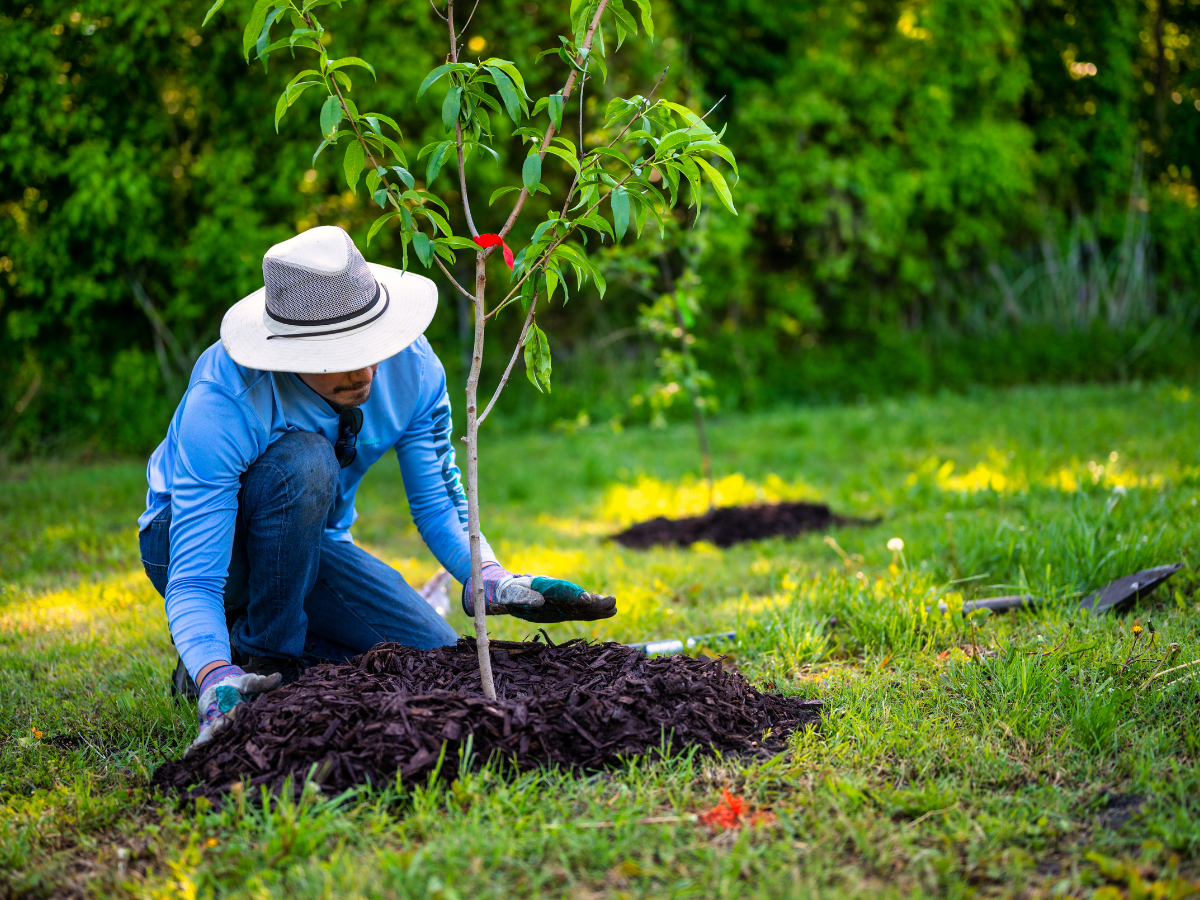
If you’re following a mulching guide for the first time, it helps to understand why mulch is recommended in almost every landscape and gardening project.
Mulch does far more than improve the appearance of flower beds. When applied correctly, it creates a protective layer that supports healthier soil, stronger plants, and a landscape that requires less maintenance throughout the year.
Rather than solving a single problem, mulch works by improving several conditions at once. It helps the soil hold moisture, reduces weed growth, moderates temperature fluctuations, and, in the case of organic materials, gradually enriches the soil as it decomposes.
The Biggest Benefits of Mulching at a Glance
| Benefit | How Mulch Helps | Why It Matters |
|---|---|---|
| Moisture retention | Slows water evaporation from the soil surface | Reduces watering frequency and helps plants during dry weather |
| Weed suppression | Blocks sunlight from reaching many weed seeds | Reduces competition for water and nutrients |
| Temperature regulation | Insulates the soil from rapid temperature changes | Protects plant roots during both hot summers and cooler periods |
| Soil improvement | Organic mulch breaks down over time | Adds organic matter and supports healthier soil structure |
| Erosion control | Cushions the soil from heavy rain and wind | Helps prevent soil loss and surface runoff |
These benefits work together, which is why mulching often produces healthier landscapes even when no other changes are made.
Mulch Helps Soil Hold Moisture Longer
One of the primary reasons gardeners apply mulch is to conserve water.
Without a protective layer, sunlight and wind cause moisture to evaporate quickly from exposed soil. Mulch slows that evaporation, allowing water to remain available to plant roots for a longer period.
During hot weather, this can reduce plant stress and help maintain more consistent soil moisture between watering sessions. While mulch does not eliminate the need to water, it makes irrigation more efficient by helping the soil retain the water it receives.
Weed Control Starts at the Soil Surface
Weeds compete with desirable plants for sunlight, nutrients, and water. A properly applied layer of mulch creates a physical barrier that limits the amount of light reaching many weed seeds, making germination more difficult.
Fewer weeds mean less time spent pulling unwanted growth and more of the soil’s moisture and nutrients remain available for trees, shrubs, flowers, or vegetables.
It’s important to remember that mulch reduces weed growth rather than eliminating it entirely. Windblown seeds can still germinate in organic debris that accumulates over time, which is why occasional maintenance remains part of good garden care.
Organic Mulch Continues Improving the Soil
Unlike decorative stone or gravel, organic mulches continue working long after they are applied.
Materials such as shredded bark, wood chips, compost, and straw gradually decompose, contributing organic matter to the soil. This process supports beneficial microorganisms, improves soil structure, and increases the soil’s ability to retain both moisture and nutrients.
Healthier soil creates a stronger foundation for root development, which often leads to more resilient plants over time.
Mulching Supports a More Resilient Landscape
Beyond individual plant health, mulch helps create a more stable growing environment.
By reducing erosion during heavy rain, buffering rapid temperature swings, and limiting moisture loss, mulch allows plants to experience fewer environmental stresses throughout the growing season.
Research has consistently shown that mulching contributes to improved soil moisture, biological activity, nutrient cycling, and overall soil health, making it a widely recommended practice in both home gardens and agricultural settings.
As this mulching guide demonstrates, the value of mulch extends well beyond appearance. A properly mulched landscape conserves water, suppresses weeds, protects the soil, and supports healthier plant growth, making it one of the simplest and most effective improvements you can make in any garden.
When Is the Best Time to Apply Mulch? A Seasonal Mulching Guide
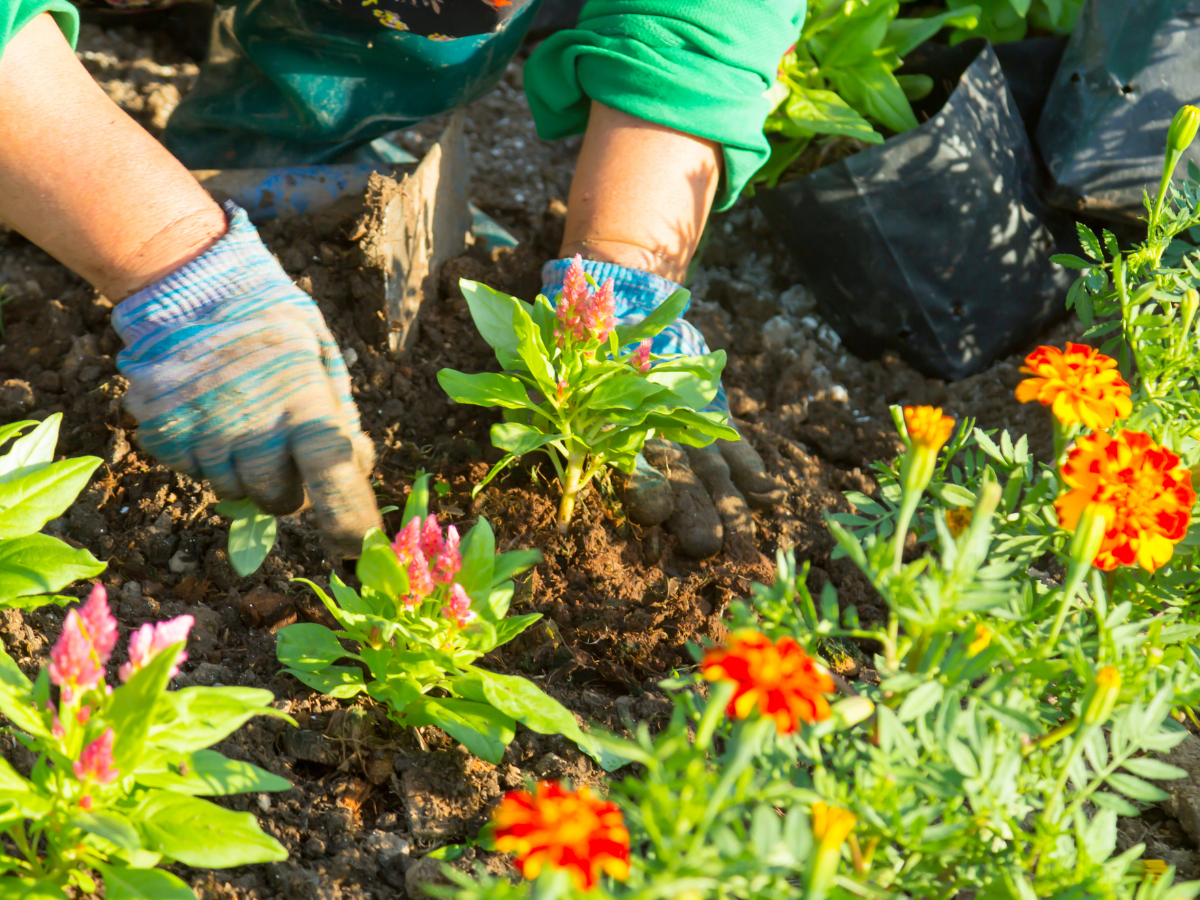
Knowing when to apply mulch is almost as important as choosing the right material. Mulch works year-round, but its benefits vary depending on the season and your gardening goals.
Applying it at the right time can improve moisture retention, reduce weed growth, moderate soil temperatures, and protect plant roots from seasonal stress.
A good mulching guide treats mulching as an ongoing part of landscape maintenance rather than a one-time project. Checking your mulch throughout the year and making seasonal adjustments helps keep it performing at its best.
Seasonal Mulching Calendar
| Season | Best Time to Mulch | Primary Goal |
|---|---|---|
| Spring | After the soil has warmed and the risk of hard frost has passed | Conserve moisture and reduce early weed growth |
| Summer | Refresh mulch as needed during hot, dry weather | Limit evaporation and protect roots from heat |
| Fall | Before consistent freezing temperatures arrive | Insulate soil and protect plant roots through winter |
| Winter | Replace only if mulch has washed away or become thin | Maintain protection without disturbing dormant plants |
Rather than replacing all of your mulch every season, inspect existing beds first. In many cases, adding a light top-up is all that’s needed.
Spring Is the Most Popular Time to Mulch
Spring is often the busiest season for landscape maintenance, and for good reason. Applying mulch after the soil begins to warm helps conserve moisture as plants enter active growth while reducing the number of weeds that emerge during the growing season.
It’s generally best to avoid mulching too early. Thick mulch applied over cold, saturated soil can slow warming in spring, delaying root activity for some plants. Waiting until the soil has had a chance to warm naturally creates better growing conditions while still providing the benefits of mulch throughout the season.
Summer Mulch Helps Reduce Heat and Water Loss
During periods of hot weather, mulch acts as an insulating layer that slows evaporation and helps the soil remain cooler than exposed ground.
If your mulch has decomposed significantly or become uneven, midsummer is a good time to replenish it. Restoring the recommended depth can improve moisture retention and reduce the frequency of watering, particularly around trees, shrubs, and perennial beds.
This is also a good opportunity to remove weeds before adding additional mulch, preventing them from continuing to grow beneath the new layer.
Fall Mulching Prepares the Landscape for Winter
Autumn is an ideal time to inspect landscape beds before colder weather arrives.
Adding mulch in the fall helps stabilize soil temperatures during repeated freeze and thaw cycles, which can reduce stress on plant roots. Organic mulches also continue breaking down over winter, gradually contributing organic matter that benefits the soil when spring arrives.
Around trees and shrubs, a properly applied layer of mulch can also help protect the root zone from temperature extremes while reducing winter moisture loss.
Build Sustainable Mulching Habits Throughout the Year
Good mulching practices are not only beneficial for plants but can also reduce waste and support healthier soil over time.
Whenever practical, choose mulch produced from locally sourced bark, wood chips, compost, or other recycled organic materials. Reusing leaves, untreated wood chips, or finished compost from your own property can also reduce landfill waste while returning valuable organic matter to the soil.
Instead of removing and replacing mulch every year, refresh existing layers only where needed. This approach conserves materials, reduces unnecessary work, and maintains a healthier balance within the landscape.
As this mulching guide shows, there is no single “best” season to mulch. Each time of year offers different advantages, and the most successful landscapes are maintained with small seasonal adjustments rather than one large annual application.
Monitoring your mulch throughout the year helps ensure it continues protecting your soil and supporting healthy plant growth in every season.
Common Mulching Mistakes That Can Damage Your Plants
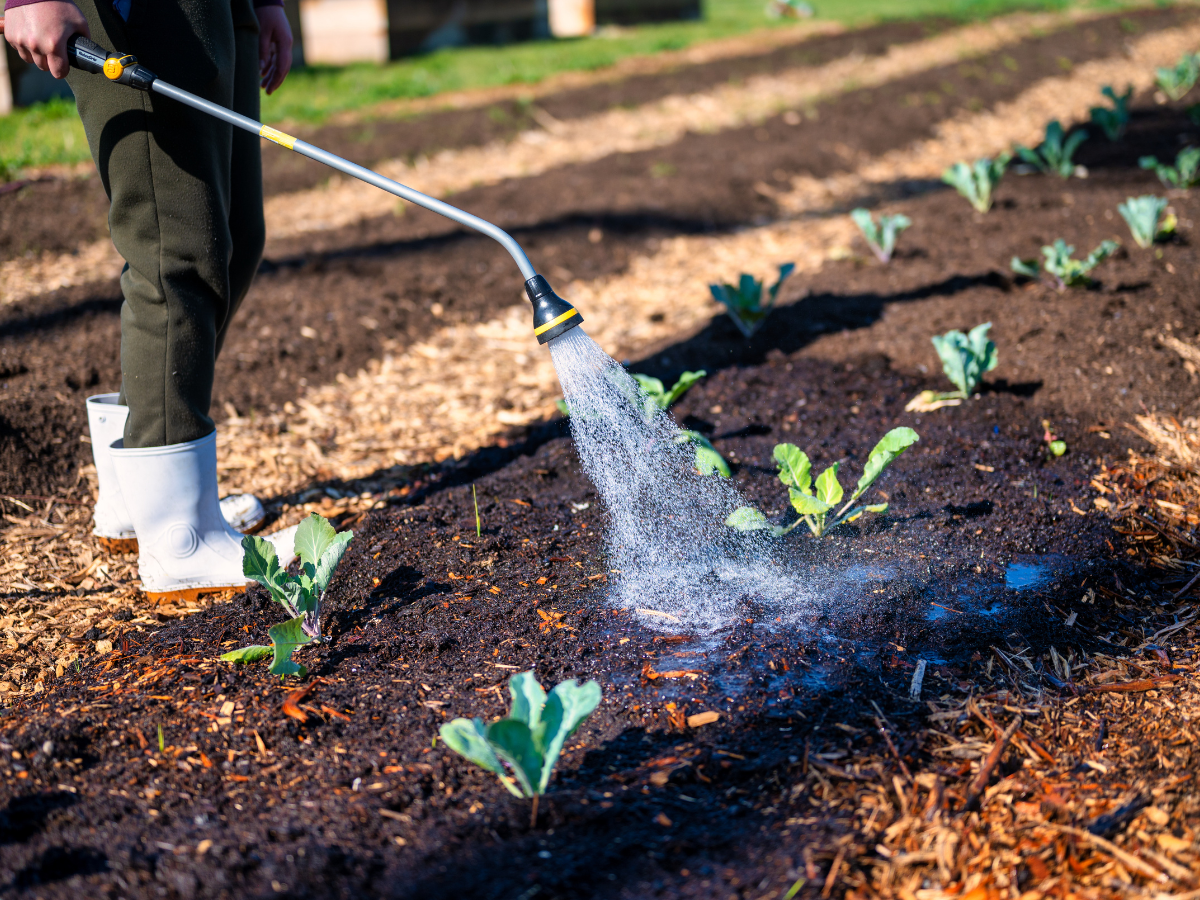
Mulch is one of the most effective tools for improving soil health, but only when it is used correctly. Many common landscaping problems, including poor drainage, stem rot, persistent weeds, and declining plant health, can often be traced back to improper mulching rather than the mulch itself.
A good mulching guide is not only about choosing the right material or applying the correct depth. It also helps you recognize the mistakes that reduce mulch’s effectiveness so you can correct them before they affect your landscape.
The Most Common Mulching Mistakes
| Mistake | Why It’s a Problem | Better Approach |
|---|---|---|
| Applying mulch too deeply | Restricts airflow and traps excessive moisture around roots | Maintain a layer of approximately 2 to 4 inches for most organic mulches. |
| Piling mulch against trunks or stems | Encourages rot, insect activity, and disease | Leave a small gap around trees, shrubs, and plant stems. |
| Mulching over existing weeds | Weeds continue growing beneath the mulch | Remove established weeds before applying a new layer. |
| Using contaminated mulch | Can introduce weed seeds, pests, or plant diseases | Purchase quality mulch or use clean, well-composted organic materials. |
| Ignoring mulch after installation | Mulch can become compacted, displaced, or decompose unevenly | Inspect landscape beds regularly and refresh mulch as needed. |
Most mulching problems develop gradually, making routine inspection just as important as the initial application.
Too Much Mulch Can Create More Problems Than It Solves
Adding extra mulch may seem beneficial, but excessive depth often creates conditions that work against healthy plant growth.
Thick layers reduce air movement near the soil surface and can trap moisture around stems and shallow roots. Over time, this environment may contribute to fungal diseases, stem decay, and reduced root health. Excessive mulch can also prevent rainfall or irrigation from reaching the soil efficiently if the material becomes compacted.
If an existing mulch layer is already close to the recommended depth, it’s usually better to loosen or refresh it than to continue adding new material every season.
Keep Mulch Away From Tree Trunks and Plant Stems
One of the most recognizable landscaping mistakes is the “mulch volcano,” where mulch is piled directly against the base of a tree.
Although it may appear tidy, constant contact between mulch and bark creates ideal conditions for moisture buildup, decay, and insect activity. Shrubs, flowers, and vegetable plants can experience similar problems when mulch is packed tightly around their stems.
Instead, spread mulch evenly over the surrounding soil while leaving a small mulch-free space around the base of each plant. This simple adjustment improves airflow and helps reduce the risk of disease.
Inspect Mulch Throughout the Growing Season
Mulch is not a “set it and forget it” landscape feature.
Organic mulch naturally decomposes, shifts during heavy rain, and may become compacted over time. Periodically checking landscape beds allows you to identify thin areas, remove weeds before they spread, and gently loosen compacted mulch that may be preventing water from reaching the soil.
If mulch has broken down significantly, adding a light top-up is usually more effective than placing a thick new layer over old material.
Healthy Mulch Starts With Good Materials
The quality of the mulch itself also affects long-term results.
Whenever possible, use clean, well-aged mulch from a reliable supplier or compost organic materials thoroughly before applying them in the landscape. A
void spreading mulch made from diseased plants or materials that may contain invasive weed seeds, as these can introduce new problems instead of preventing them.
Every mulching guide should include troubleshooting because even small application mistakes can reduce the benefits of mulching.
By avoiding excessive depth, keeping mulch away from stems and trunks, using clean materials, and inspecting landscape beds throughout the year, you can protect your plants while getting the full value from every layer of mulch.
How to Choose the Best Mulching Material for Your Garden
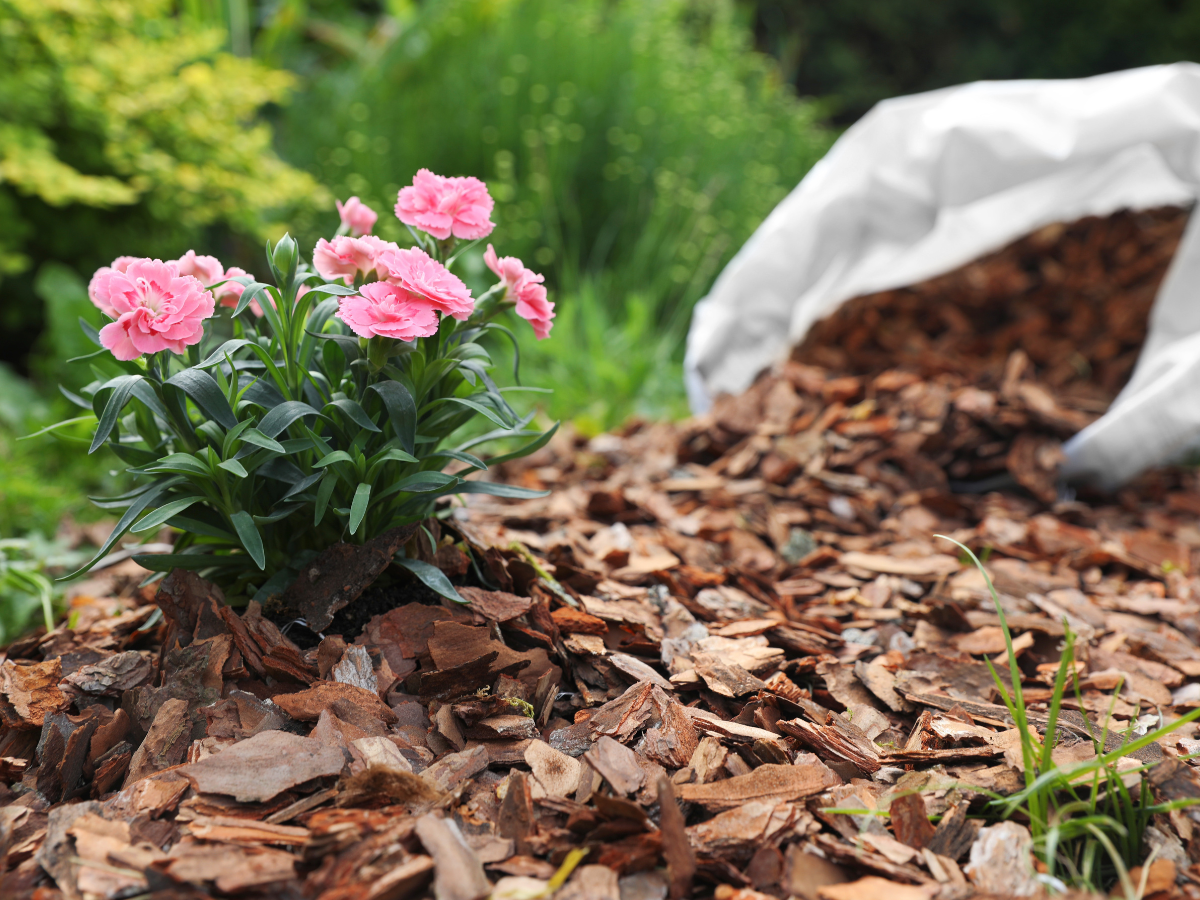
Choosing the right mulch is just as important as applying it correctly. The best option depends on what you’re growing, your local climate, how much maintenance you’re willing to do, and the look you want for your landscape.
While there is no single “best” mulch for every garden, understanding the strengths of each material will help you make a smarter long-term investment.
A good mulching guide starts by matching the mulch to the job. Vegetable gardens, flower beds, shrubs, and decorative pathways all have different needs, and the ideal material for one area may not be the best choice for another.
Match Your Mulch to Your Plants and Landscape Goals
Before purchasing mulch, think about what you want it to accomplish.
If your primary goal is improving soil health, organic materials such as shredded bark, wood chips, compost, or straw gradually break down and enrich the soil over time. These are excellent choices for garden beds, shrubs, trees, and vegetable gardens where healthy soil is a priority.
If you’re creating decorative borders, pathways, or low-maintenance landscape areas, inorganic materials such as gravel, river rock, or rubber mulch may be more practical. They last much longer than organic mulches but do not contribute nutrients to the soil.
Considering both function and appearance helps ensure your mulch complements your landscape while supporting plant health.
Factors That Influence the Best Mulch Choice
Several practical considerations can influence which mulch performs best in your yard.
Climate plays a major role. In warmer, drier regions, organic mulch helps conserve moisture and keeps soil temperatures more consistent during hot weather. In areas with frequent rainfall, choosing a mulch that drains well and resists compaction can help prevent excess moisture around plants.
Plant type is equally important. Vegetable gardens often benefit from straw or compost because these materials decompose quickly and improve soil quality.
Trees and shrubs typically perform well with hardwood mulch or shredded bark, while ornamental beds offer greater flexibility depending on your preferred appearance.
Finally, consider maintenance requirements. Organic mulch gradually decomposes and usually needs replenishing every year or two. Inorganic mulch requires less frequent replacement but may need occasional cleaning or repositioning to maintain its appearance.
Organic vs. Inorganic Mulch at a Glance
Both categories have advantages, and the better option depends on your landscaping goals.
| Mulch Type | Best For | Main Advantages | Considerations |
|---|---|---|---|
| Organic mulch | Garden beds, trees, shrubs, vegetable gardens | Improves soil, retains moisture, suppresses weeds | Requires periodic replenishment |
| Inorganic mulch | Pathways, decorative landscaping, erosion-prone areas | Long-lasting, low maintenance, decorative | Does not improve soil quality |
For most home gardens, organic mulch offers the greatest long-term value because it supports healthier soil while providing weed control and moisture retention. Inorganic mulch is often the better choice where appearance and durability are the primary goals.
Think Beyond the Initial Cost
It’s easy to compare mulch by price alone, but long-term value matters more than the upfront cost.
Organic mulch is generally less expensive initially but will need refreshing as it decomposes. In return, it improves soil structure and can reduce the need for fertilizers over time.
Inorganic mulch typically costs more to install but lasts for many years with minimal replacement. That can make it a cost-effective solution for decorative areas that don’t require ongoing soil improvement.
The best mulching guide doesn’t recommend one material for every landscape. Instead, it helps you choose the right mulch for each area of your yard.
By considering your plants, climate, maintenance preferences, and landscaping goals, you’ll select a mulch that not only looks great but also supports healthier soil and stronger plant growth for seasons to come.s.
How to Monitor and Maintain Mulch for Long-Term Garden Health
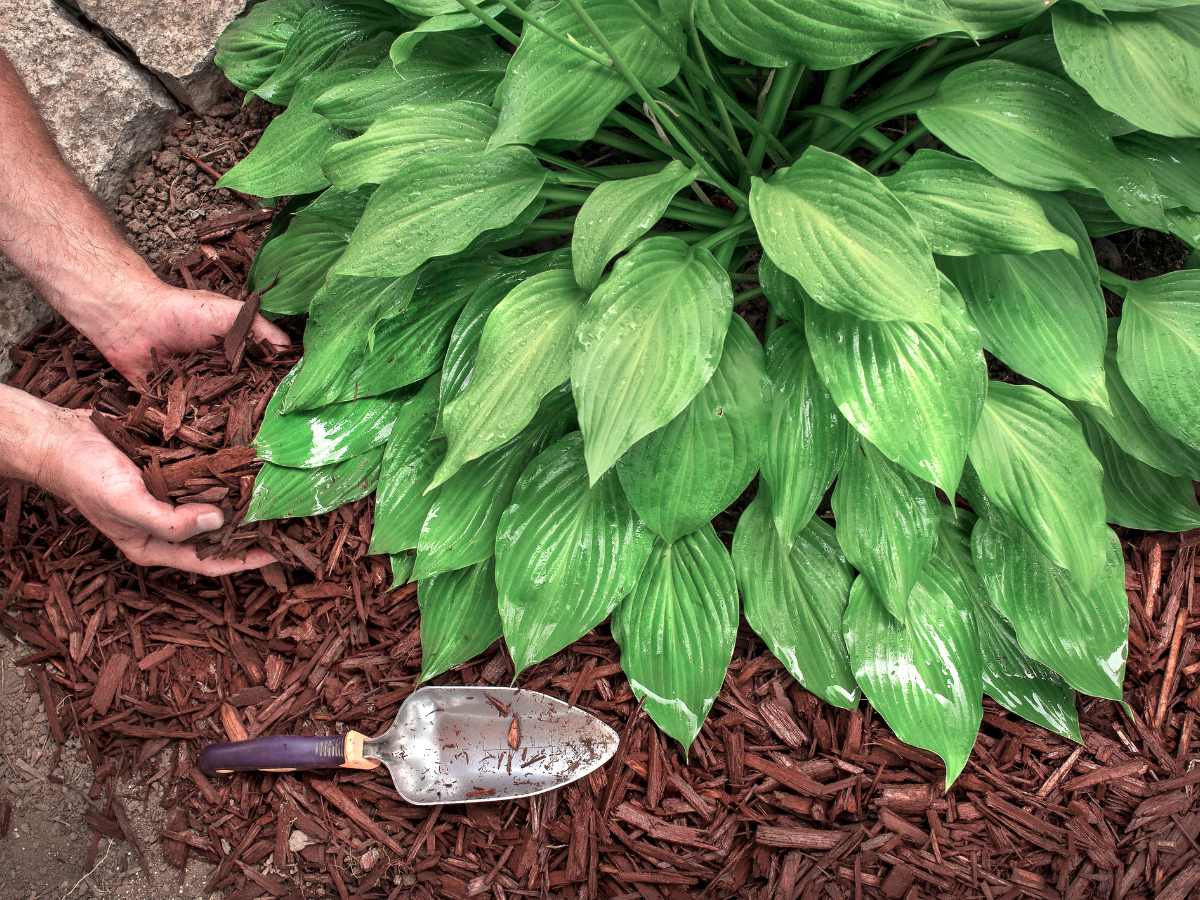
Applying mulch is only the beginning. To get the full benefits outlined in this mulching guide, you’ll need to monitor its condition throughout the year and refresh it as needed.
Weather, foot traffic, irrigation, and natural decomposition all affect how well mulch performs over time. A few minutes of seasonal maintenance can help preserve moisture, suppress weeds, and keep your landscape looking neat.
Rather than adding a fresh layer every year without checking what’s already there, inspect your mulch first. Well-maintained mulch continues to protect the soil, while neglected mulch can become compacted, harbor pests, or prevent water from reaching plant roots.
How to Tell When Mulch Needs Refreshing
Organic mulch naturally breaks down as it enriches the soil, so periodic replacement is expected. The key is recognizing when it has become too thin or no longer performs its intended function.
Some common signs that it’s time to refresh your mulch include:
- The layer has thinned to less than about 2 inches.
- Bare patches of soil are becoming visible.
- Weeds are appearing more frequently.
- The mulch looks faded, compacted, or has begun breaking down into fine particles.
- Water runs off the surface instead of soaking through evenly.
Instead of piling new mulch over old material every season, loosen compacted areas with a rake and remove any excess buildup if the layer has become too thick. Maintaining the recommended 2 to 4 inches helps maximize the benefits without restricting airflow or trapping excessive moisture.
Simple Maintenance Habits That Keep Mulch Working
A successful mulching guide isn’t just about choosing the right material. Ongoing care is equally important.
After heavy rain or strong winds, inspect mulch for areas that have washed away or shifted. Redistribute it evenly so exposed soil remains protected. If you’re using organic mulch, lightly fluffing the surface once or twice during the growing season can reduce compaction and improve water penetration.
It’s also good practice to pull mulch a few inches away from tree trunks, shrubs, and plant stems whenever you inspect your landscape. Keeping mulch directly against woody stems can trap moisture and increase the risk of rot, fungal diseases, and insect activity.
Integrate Mulching Into Your Regular Garden Routine
Mulch works best when it’s part of an overall garden maintenance plan rather than a once-a-year task.
For example, remove weeds before adding fresh mulch instead of covering them, since established weeds can often grow through the new layer. If you’re fertilizing or adding compost, apply those amendments before spreading mulch so nutrients can reach the soil more effectively.
Seasonal inspections also provide a good opportunity to evaluate drainage, check for signs of pests, and identify plants that may need additional water or pruning. Combining these tasks makes routine garden maintenance more efficient while helping your landscape stay healthier year-round.
Refresh Only When Needed
One of the most common misconceptions is that mulch should be replaced entirely every year. In many cases, that’s unnecessary.
Organic mulch usually benefits from topping off thin areas rather than complete removal. Only replace the entire layer if it has become moldy, contaminated, severely compacted, or excessively thick. Inorganic mulch, such as gravel or stone, generally requires only occasional cleaning and redistribution instead of replacement.
By checking your mulch throughout the year instead of relying on a fixed schedule, you’ll avoid wasting materials while ensuring your landscape continues to receive the moisture retention, weed suppression, and soil protection that make mulching such an effective gardening practice.
With consistent attention, the techniques covered in this mulching guide can help support healthier plants and more resilient garden beds season after season.
Conclusion
Mulching is one of the simplest and most effective ways to support healthier soil, stronger plants, and a more attractive landscape. By choosing the right mulch and applying it correctly, homeowners can help retain moisture, regulate soil temperature, reduce weed growth, and promote long-term plant health.
Whether you’re refreshing existing garden beds or planning a complete landscape makeover, professional expertise can help you achieve beautiful, lasting results. For expert landscaping services and customized outdoor solutions, choose Glover Landscapes.
If you’re ready to improve your landscape with professional mulching and expert lawn care, call (404) 982-4176 to speak with the team at Glover Landscapes or visit their website to get your free landscaping estimate today.