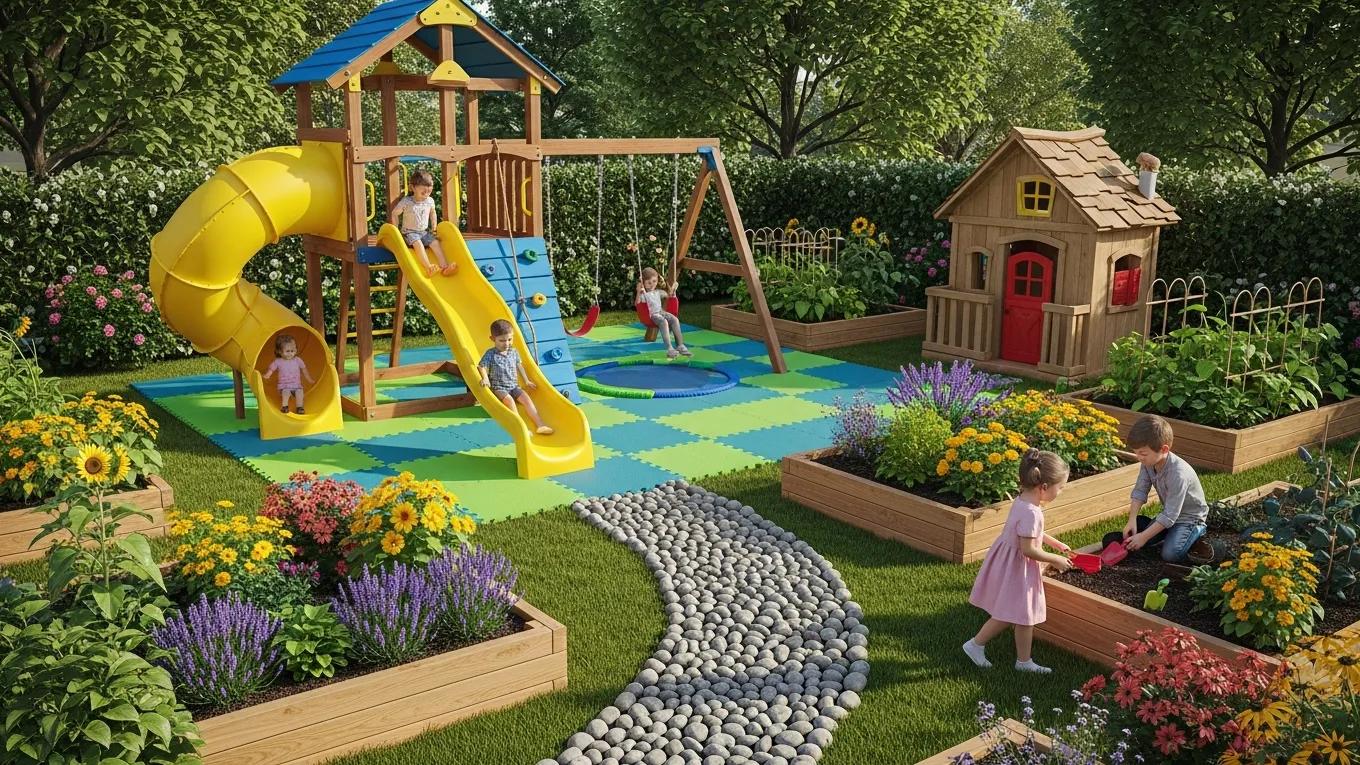
A backyard should be more than just open space. For families, it can become a place where kids play, explore, and spend more time outdoors in a safe and engaging environment. The key is designing a space that balances fun, safety, and functionality without sacrificing the overall look of the landscape.
Creating a kid friendly backyard oasis starts with thoughtful planning. Safe play surfaces, shaded areas, durable landscaping, and age-appropriate features all help create a space that works for both children and adults.
Family garden design can also introduce opportunities for creativity, learning, and shared outdoor activities. With the right layout and features, your backyard can become a comfortable, family-focused space that encourages active play, relaxation, and lasting memories outdoors.
How to Create a Kid Friendly Backyard Kids Actually Use
Family Garden Design
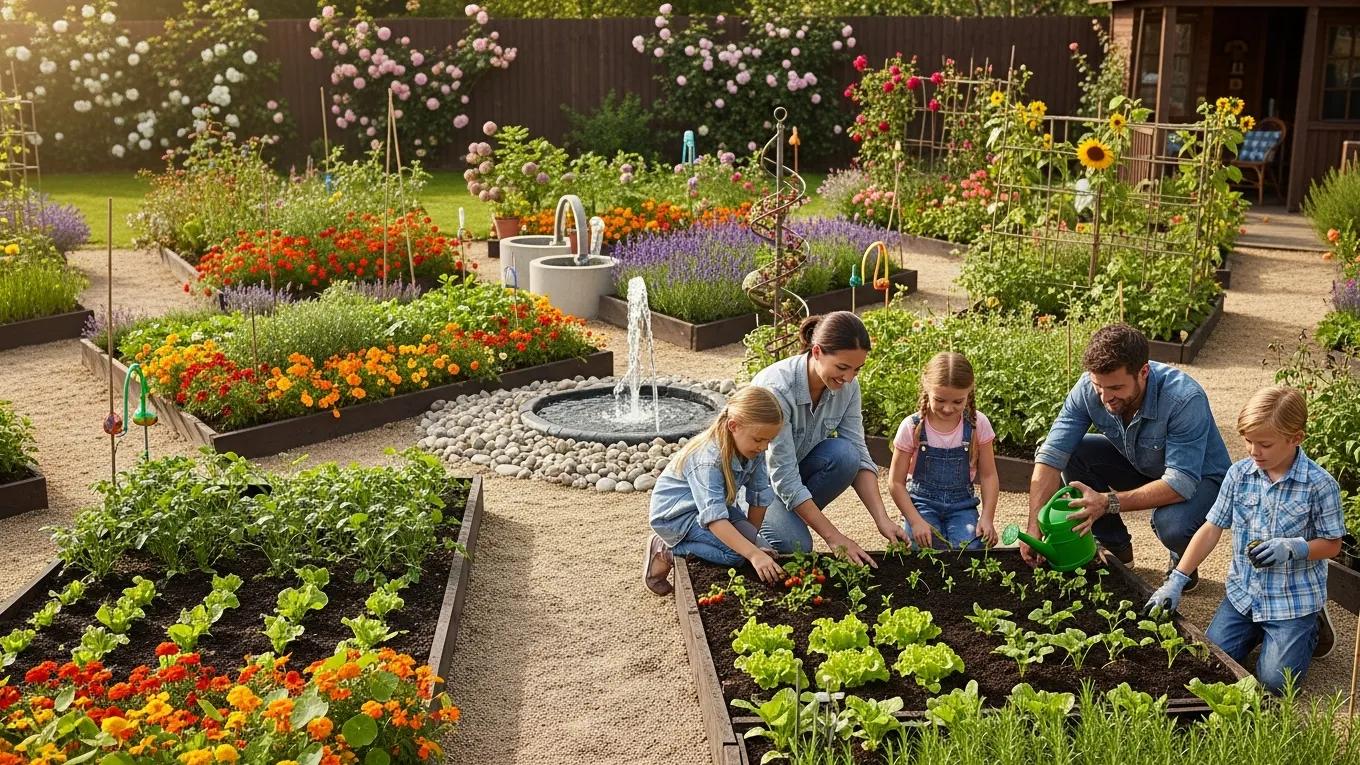
Creating a family garden is about more than adding plants to a backyard. A thoughtful garden can become a place where children play, learn, and spend meaningful time outdoors while adults enjoy a functional and relaxing space.
A well-designed garden encourages curiosity, teaches responsibility, and helps families stay connected to nature in everyday life.
When planning a kid friendly backyard, it helps to think beyond appearance alone. The most successful family gardens balance safety, durability, and hands-on interaction so the space remains enjoyable for both children and adults throughout the year.
Creating A Functional Family Garden Space
A family garden should feel welcoming and easy to use. Dividing the yard into simple activity zones can help create structure while keeping the area flexible for different ages and interests.
For example, one section of the garden may focus on planting and gardening activities, while another includes open lawn space for play. Seating areas nearby allow parents to supervise comfortably while still enjoying the outdoor environment.
Raised garden beds are especially popular in a kid friendly backyard because they make planting more accessible for children. Kids can easily help water plants, pull weeds, or harvest vegetables without stepping through delicate planting areas.
Paths made from mulch, gravel, or pavers can also improve accessibility while helping define different parts of the garden.
Choosing Safe And Non-Toxic Plants
Plant selection plays a major role in family garden design, especially when young children or pets are involved. Non-toxic plants help reduce safety concerns while still adding color, texture, and variety throughout the yard.
Sunflowers are a popular choice because they are easy to grow, visually striking, and engaging for children to watch throughout the season. Marigolds are another practical option since they add bright color while naturally helping deter certain garden pests.
Herbs such as basil, mint, parsley, and rosemary work especially well in family gardens because children can smell, touch, and even help harvest them for meals. This creates a more interactive experience while helping kids develop an interest in gardening and cooking.
When planning a kid friendly backyard, it is also important to avoid plants with toxic berries, sharp thorns, or irritating sap. Researching plant safety ahead of time helps create a space that feels comfortable and low-stress for parents.
Why Sensory Gardens Work Well For Children
Sensory gardens are designed to engage touch, smell, sight, and sound, making them particularly valuable in family-oriented outdoor spaces. These gardens encourage exploration and hands-on learning while creating a calming environment that appeals to children of different ages.
Soft grasses, textured leaves, fragrant flowers, and colorful planting combinations all contribute to a more immersive outdoor experience. Wind chimes, water features, and pollinator-friendly flowers can also introduce gentle sounds and movement that make the space feel more dynamic.
A sensory-focused kid friendly backyard often encourages longer periods of outdoor play because children naturally interact with the environment rather than simply observing it.
These types of gardens may also support emotional well-being by creating quiet, relaxing spaces where children can slow down, focus, and engage with nature in a more meaningful way.
Encouraging Learning Through Gardening
Gardening naturally creates opportunities for learning without making activities feel overly structured. Children can observe plant growth, learn seasonal routines, and better understand where food comes from through direct participation.
Simple gardening tasks such as watering plants, planting seeds, or harvesting vegetables help children build responsibility and confidence over time. Even younger children can participate in basic tasks with supervision.
Vegetable gardens are especially effective for teaching patience and consistency because children can watch the results of their work develop gradually throughout the season.
Family gardening activities also create opportunities for conversation and shared experiences that may not happen as easily indoors.
Designing A Backyard That Grows With Your Family
A successful family garden should remain flexible as children grow and interests change. Open lawn areas may later become gathering spaces, while planting beds can expand over time as gardening experience increases.
The best kid friendly backyard designs focus on creating a safe, adaptable environment that encourages outdoor activity, creativity, and family interaction.
By combining practical landscaping with interactive garden features, families can create a space that remains enjoyable and functional for years to come.
Comfort And Relaxation
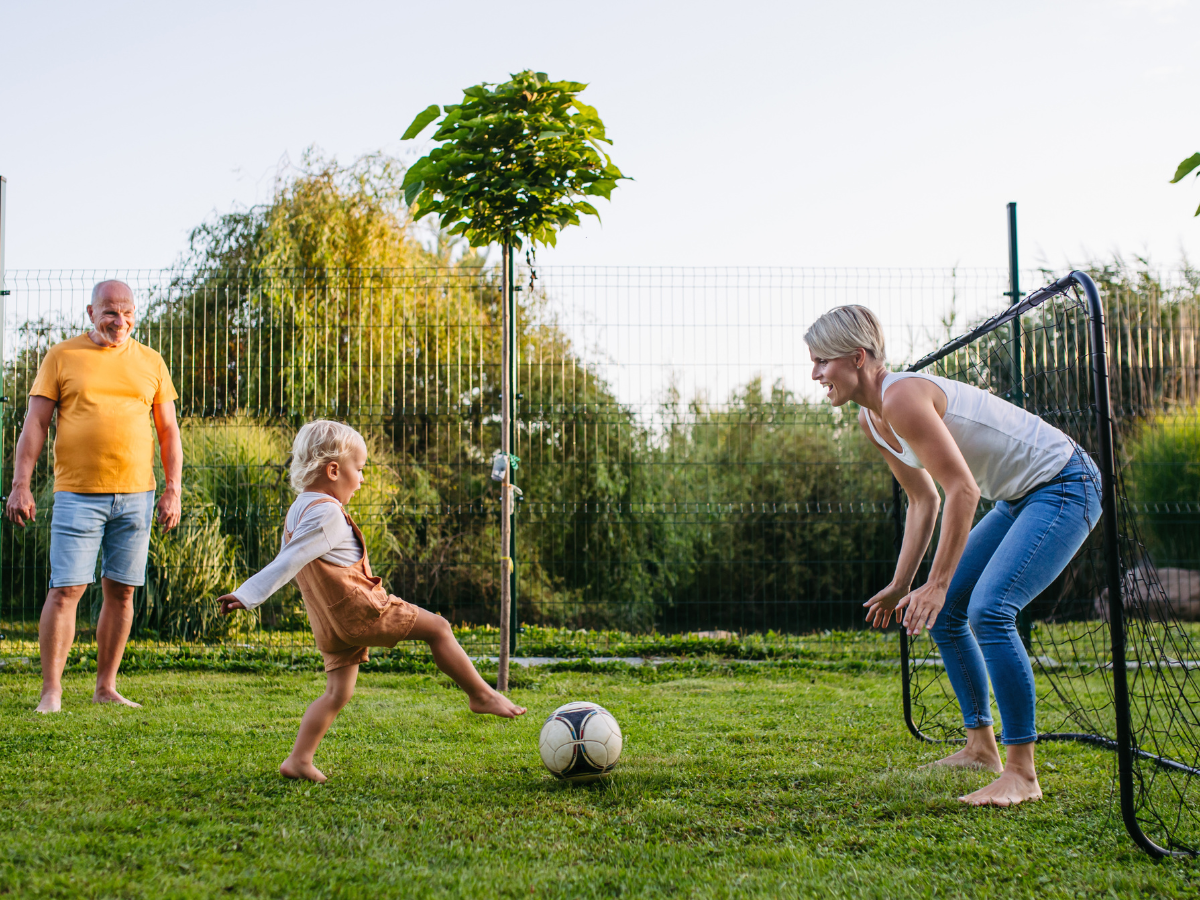
A backyard should feel like more than just an outdoor play area. It should also provide comfortable spaces where families can relax, spend time together, and enjoy the outdoors at a slower pace.
In a well-designed kid friendly backyard, comfort and functionality work together to create an environment that appeals to both children and adults.
Relaxation areas help balance the more active parts of the yard by giving family members a place to unwind, read, eat, or simply enjoy time outside. Even small changes in layout and furniture selection can make a backyard feel more inviting and easier to use throughout the day.
Creating Comfortable Seating Areas
Comfortable seating is one of the most important elements in any outdoor living space. Seating areas encourage families to spend more time outside while making it easier for parents to supervise children during play.
In a kid friendly backyard, flexible seating often works best. Outdoor sectionals, benches, Adirondack chairs, and weather-resistant dining sets can all help create spaces that accommodate both everyday use and larger family gatherings.
Adding cushions, outdoor rugs, and side tables can make seating areas feel more connected to the comfort of indoor living spaces. Choosing durable, easy-to-clean materials is especially helpful for families with younger children.
Positioning seating near play zones or open lawn areas also helps parents remain engaged while still having a comfortable place to relax.
Using Shade To Improve Comfort
Direct sunlight can quickly make outdoor spaces uncomfortable, especially during warmer months. Including shaded areas throughout the backyard helps create cooler, more usable spaces during different times of the day.
Pergolas, umbrellas, covered patios, and shade sails are all popular options for improving comfort without fully enclosing the space. Trees and tall landscaping can also provide natural shade while adding privacy and visual appeal.
A shaded seating area can make a kid friendly backyard more functional because it allows families to spend longer periods outside without excessive heat exposure. These cooler areas are especially useful for reading, outdoor meals, or quiet play activities.
Combining shade with proper airflow and comfortable seating can significantly improve the overall atmosphere of the yard.
Adding Cozy Backyard Features
Small comfort-focused features can make a backyard feel more personal and inviting. Hammocks, hanging chairs, outdoor bean bags, and porch swings create relaxed spaces where both kids and adults can unwind.
Fire pits are another popular addition because they extend the usability of the backyard into cooler evenings. Families often use fire pits as gathering spaces for conversation, roasting marshmallows, or casual outdoor entertaining.
When designing a kid friendly backyard, safety should always remain part of the planning process. Fire pits should be placed away from active play areas, and seating should allow enough space for safe movement around heat sources.
Soft outdoor lighting can also contribute to a more comfortable atmosphere by making the space feel warm and welcoming after sunset.
Designing Quiet Spaces Within The Yard
Not every part of a backyard needs to focus on activity and play. Quiet corners and relaxing garden spaces provide balance within the overall design.
A small reading nook beneath a tree, a bench near a flower garden, or a tucked-away patio area can give family members a place to recharge away from noisier parts of the yard.
Including both active and relaxing zones helps a kid friendly backyard feel more organized and functional for different moods and activities. Children also benefit from having calm outdoor spaces where they can draw, read, or explore nature quietly.
Balancing Relaxation With Everyday Functionality
The most successful backyard spaces combine comfort with practicality. Outdoor furniture should be durable enough for regular family use while still feeling comfortable and visually appealing.
Storage benches, weather-resistant materials, and multi-purpose furniture can help keep the yard organized without sacrificing style. Easy maintenance is especially important in family-oriented outdoor spaces where furniture and accessories experience frequent use.
By combining shaded areas, comfortable seating, and cozy gathering spaces, homeowners can create a kid friendly backyard that supports both relaxation and everyday family life.
Creative Lighting
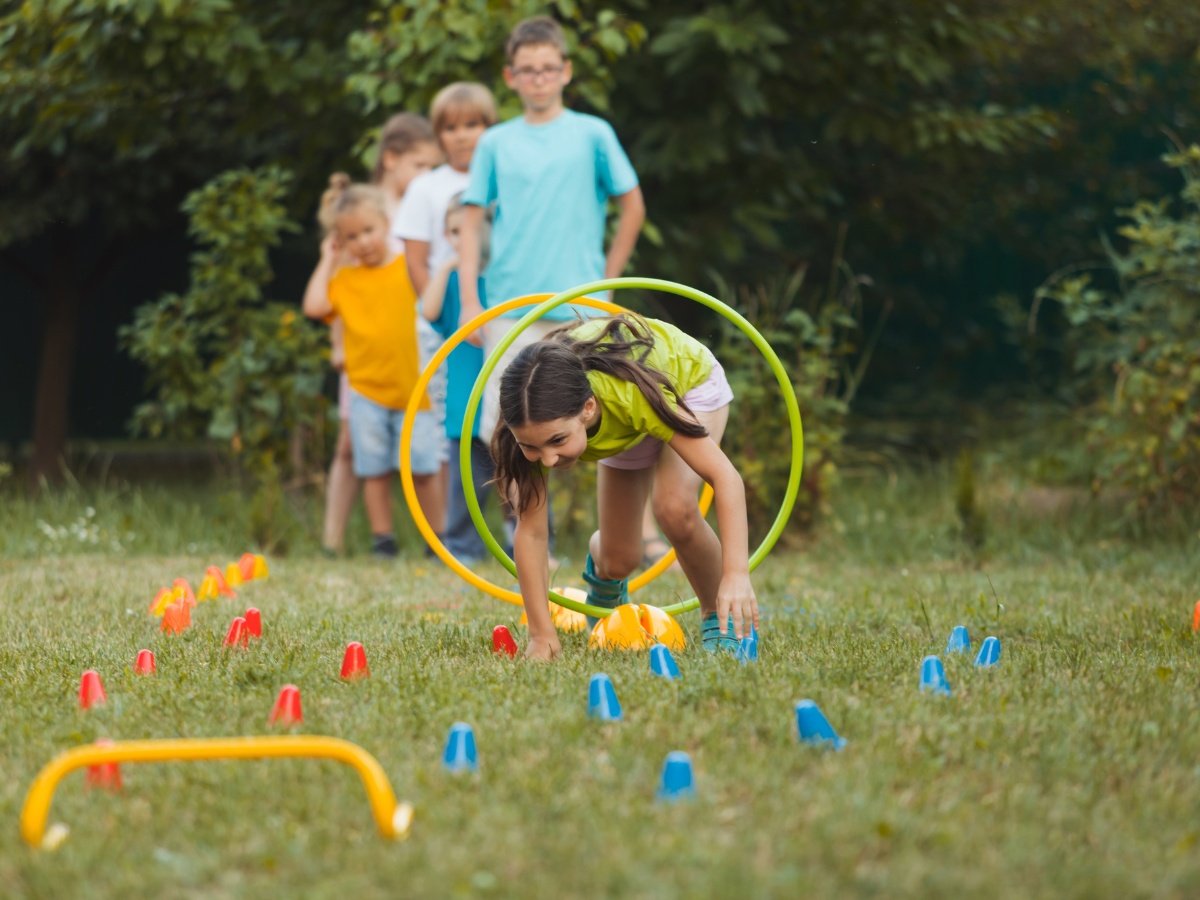
Lighting can completely change the way a backyard feels after the sun goes down. In a kid friendly backyard, thoughtful lighting improves visibility and safety while also making the space feel more comfortable and inviting for evening activities.
Rather than relying on a single bright floodlight, layered outdoor lighting often creates a better balance between function and atmosphere.
Combining soft pathway lighting, accent lighting, and decorative fixtures helps different parts of the yard feel connected without overwhelming the space.
Using Lighting To Improve Backyard Safety
One of the most practical benefits of outdoor lighting is improved safety. Walkways, steps, patios, and play areas become easier to navigate when lighting is placed strategically throughout the yard.
Low-level path lights can help guide movement while reducing the risk of trips and falls during nighttime play or family gatherings. Lighting around seating areas, outdoor kitchens, and entrances also improves visibility without making the yard feel harsh or overly lit.
For families with younger children, lighting near play structures, swings, or garden paths can help parents supervise more easily during the evening hours.
Motion-activated fixtures are another useful addition to a kid friendly backyard because they provide extra visibility when needed while helping conserve energy when areas are not in use.
Creating A Warm And Inviting Atmosphere
Outdoor lighting also plays a major role in shaping the overall mood of a backyard. Softer lighting tends to make spaces feel more relaxed and welcoming, which is especially important for family gatherings, outdoor dinners, or quiet evenings outside.
String lights are one of the most popular choices because they provide gentle illumination without feeling too formal. Draping them across pergolas, fences, patios, or trees can instantly make the yard feel more inviting.
Lanterns and decorative outdoor lamps can add another layer of warmth while helping define seating or dining areas. In a kid friendly backyard, these smaller lighting elements often feel more comfortable and visually balanced than extremely bright overhead fixtures.
Warm color temperatures generally work best for residential outdoor spaces because they create a softer, more natural appearance compared to cooler white lighting.
Solar Lighting And Energy Efficiency
Solar-powered fixtures have become increasingly popular in backyard design because they are easy to install and energy efficient. Since they do not require wiring, solar lights can be placed along pathways, around gardens, or near patios with minimal effort.
For families looking to maintain a kid friendly backyard, solar lighting can also reduce concerns about exposed cords or complicated electrical setups in outdoor play areas.
Many newer solar fixtures provide reliable brightness throughout the evening while automatically turning on at dusk. This makes them a practical option for homeowners who want both convenience and lower energy use.
Using a mix of solar path lights, decorative lanterns, and accent fixtures can create enough illumination to make the yard functional without dramatically increasing utility costs.
Highlighting Backyard Features With Accent Lighting
Creative lighting can also draw attention to the most attractive parts of a backyard. Accent lighting is often used to highlight trees, garden beds, water features, or architectural details that may disappear visually after dark.
For example, uplighting beneath trees can add depth and dimension to the yard, while soft lighting around flower beds creates a more polished appearance. Even small backyard features can stand out when illuminated thoughtfully.
In a kid friendly backyard, accent lighting can help visually separate activity zones from relaxation areas, making the layout feel more organized and intentional.
Balancing Style And Practicality
The best outdoor lighting plans combine aesthetics with everyday functionality. While decorative lighting adds charm, the space should still feel easy to use and safe for children and guests.
A balanced lighting setup avoids overly bright fixtures that create glare or harsh shadows. Instead, it focuses on even illumination that supports movement, visibility, and comfort throughout the yard.
With the right combination of decorative and practical lighting, homeowners can create a kid friendly backyard that remains enjoyable, safe, and welcoming long after the sun goes down.
Safe Play Area Design For Children
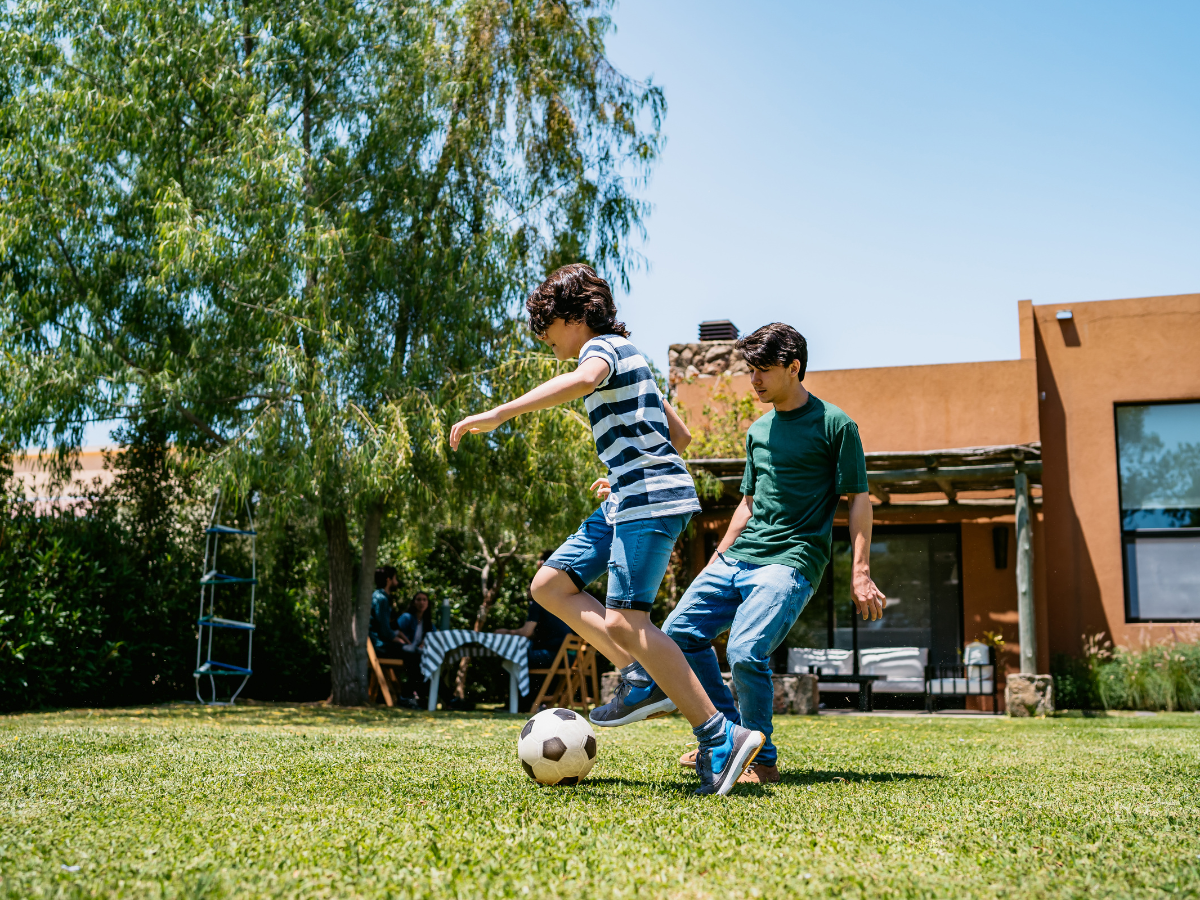
Creating a safe outdoor play space is one of the most important parts of building a kid friendly backyard. Children need room to run, climb, explore, and stay active, but the space should also reduce common safety risks while remaining easy for parents to supervise.
A well-designed play area balances fun with practicality by using durable materials, age-appropriate features, and a layout that supports safe movement throughout the yard.
When planned thoughtfully, outdoor play zones can encourage creativity, physical activity, and social interaction while giving parents greater peace of mind.
Why Safe Play Areas Matter
Outdoor play offers important physical and developmental benefits for children. Running, climbing, balancing, and imaginative play all help improve coordination, strength, and confidence.
A designated play zone also helps organize the backyard by separating active areas from quieter spaces used for relaxing or entertaining. In a kid friendly backyard, this separation helps reduce accidents while making the yard easier for the entire family to use comfortably.
Safety-focused design does not mean the space has to feel overly restrictive. Instead, it creates an environment where children can explore more freely because potential hazards have already been considered during the planning process.
Choosing Safe Surface Materials
The ground surface beneath play equipment is one of the most important safety decisions in any outdoor play area. Hard surfaces such as concrete or stone can increase the risk of injury from falls, especially around climbing structures or swings.
Soft, impact-absorbing materials help reduce that risk while making the space more comfortable for everyday play. Rubber mulch, engineered wood fiber, sand, and artificial turf are all common choices for family play areas.
Artificial turf has become especially popular in many kid friendly backyard designs because it provides a softer surface while requiring less maintenance than natural grass in high-traffic areas.
Drainage should also be considered when selecting materials. Surfaces that hold water can become slippery or create muddy conditions that make play areas less usable after rain.
Selecting Age-Appropriate Play Features
Children of different ages interact with outdoor spaces in very different ways. Younger children may benefit from smaller climbing structures, sensory play areas, or shaded sandboxes, while older children often prefer more active features like obstacle courses, swings, or sports spaces.
Choosing age-appropriate equipment helps reduce injury risks while ensuring the space remains engaging as children grow.
In a kid friendly backyard, it is also important to leave enough open space around play equipment. Crowded layouts can increase the likelihood of collisions or falls during active play.
Keeping pathways clear and maintaining good visibility throughout the yard allows both children and adults to move safely between different activity zones.
Incorporating Safe Landscaping Features
Landscaping choices can directly affect backyard safety. Non-toxic plants are especially important in family spaces where young children may touch or explore garden areas frequently.
Plants with thorns, sharp edges, or toxic berries are generally best avoided near play zones. Instead, many families choose softer landscaping elements such as ornamental grasses, herbs, or colorful flowers that are safe to handle.
Secure fencing is another important part of backyard safety, particularly for homes with pools, nearby roads, or uneven terrain. Fencing helps create clear boundaries while giving parents greater confidence during outdoor play.
Lighting can also improve safety in a kid friendly backyard by increasing visibility around walkways, patios, and play areas during the evening.
Planning For Supervision And Maintenance
Good visibility is one of the most practical safety features in any backyard design. Play areas should ideally remain visible from common indoor spaces or outdoor seating areas so parents can supervise children without difficulty.
Routine maintenance is equally important. Outdoor play equipment should be inspected regularly for loose hardware, worn surfaces, or signs of weather damage.
Checking fencing, lighting, and landscaping throughout the year helps keep the space safe and functional long term.
A thoughtfully planned kid friendly backyard creates opportunities for play, learning, and family connection while helping children stay active in a secure outdoor environment.
Safe Water Features For Family Backyards
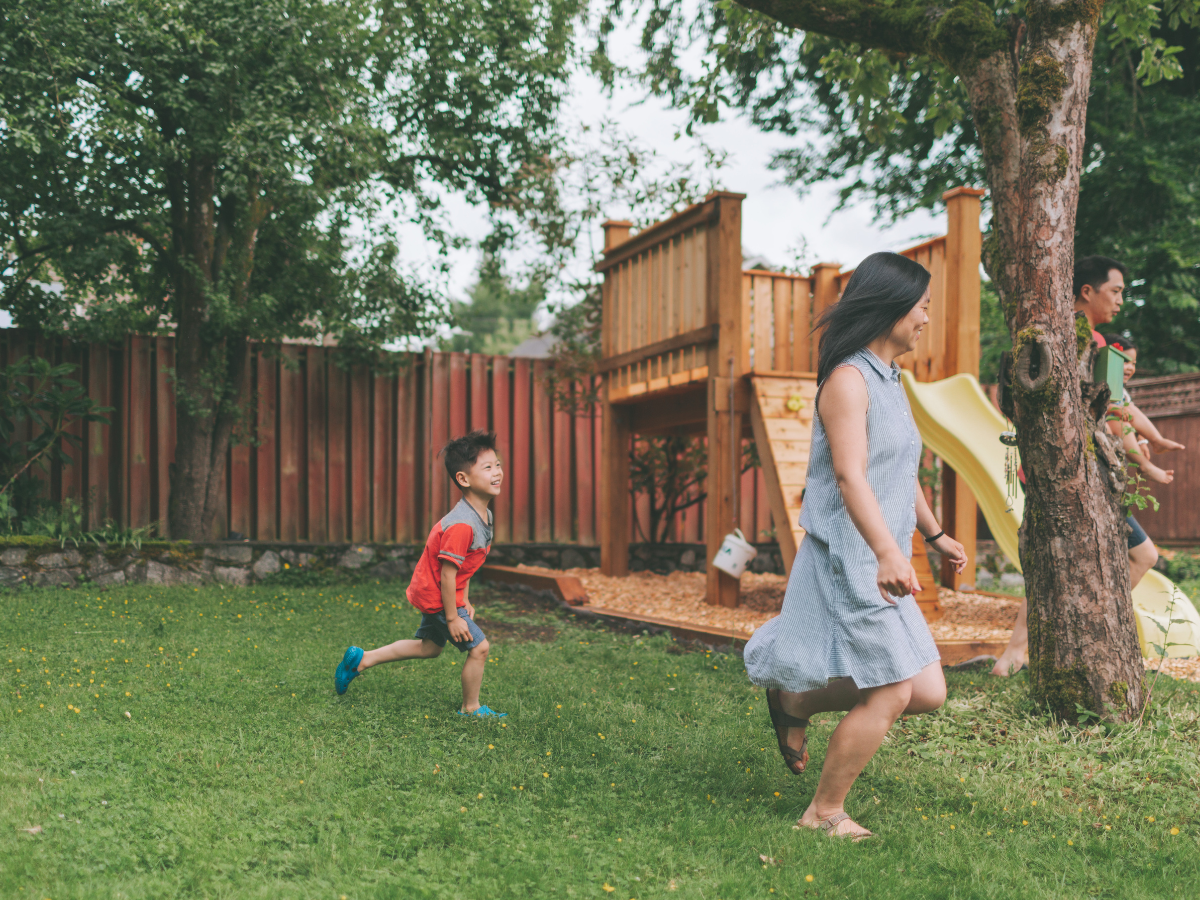
Water features can bring movement, sound, and visual interest to an outdoor space while also creating new opportunities for family activities. In a thoughtfully planned kid friendly backyard, water elements can provide entertainment and relaxation without sacrificing safety.
The key is choosing water features that are appropriate for children and designing the surrounding space carefully. Shallow designs, secure barriers, and regular maintenance all help reduce potential risks while allowing families to enjoy the benefits of outdoor water features.
Choosing Child-Friendly Water Features
Not every water feature is suitable for a family-focused backyard. Features designed for younger children should prioritize shallow water, easy visibility, and controlled access.
Splash pads are one of the safest and most popular options for a kid friendly backyard because they allow children to cool off and play without standing water. Since water drains quickly after use, splash pads reduce many of the concerns associated with deeper pools or ponds.
Water tables are another practical option for younger children. These smaller features encourage sensory play and creativity while keeping water levels shallow and manageable.
For families interested in decorative landscaping, shallow ponds or small fountains can also work well when designed with safety in mind. Features with gradual edges and secure surroundings tend to be easier to supervise and maintain.
Why Safety Barriers Matter
Any backyard water feature should include safety measures that prevent unsupervised access, especially for homes with younger children.
Fencing is one of the most effective ways to create clear boundaries around pools, ponds, or larger water installations. A secure barrier helps prevent accidents while still allowing the feature to remain visually integrated into the backyard design.
Covers can provide an additional layer of protection when ponds or pools are not in use. Properly fitted covers help reduce safety risks while also limiting debris buildup and water contamination.
In a kid friendly backyard, visibility is equally important. Water features should remain easy to monitor from patios, windows, or seating areas so adults can supervise children comfortably.
Preventing Slips And Maintenance Hazards
Water naturally creates slippery surfaces, especially around stone, tile, or concrete. Choosing textured materials and slip-resistant finishes around water features can improve traction and reduce fall risks.
Regular maintenance is also essential. Standing water that is not cleaned properly may develop algae, bacteria, or debris buildup that affects both safety and appearance.
Keeping water clear, checking pumps and filters, and removing leaves or buildup regularly helps maintain a healthier environment for children and guests.
In a kid friendly backyard, maintenance routines are especially important because children are more likely to interact directly with water features during play.
Balancing Fun And Functionality
Water features can serve both recreational and decorative purposes when integrated thoughtfully into the backyard layout.
For example, a splash pad may function as an active play area during the day while still contributing to the overall design of the yard. Decorative fountains or bubbling rock features can create calming background sound that makes seating areas feel more relaxing.
Positioning water features away from high-traffic walkways can also improve safety while keeping the backyard layout organized.
Lighting around water features should remain soft and practical. Gentle illumination can improve visibility during evening use without creating glare or making surfaces harder to navigate.
Designing A Safer Outdoor Environment
The best water feature designs combine entertainment, appearance, and safety in a way that supports everyday family use. A well-planned kid friendly backyard should allow children to enjoy water play while giving parents confidence that proper precautions are in place.
By selecting shallow features, maintaining secure barriers, and keeping up with routine maintenance, homeowners can safely incorporate water elements into outdoor spaces that remain functional, relaxing, and enjoyable for the entire family.
Outdoor Activity Zones For Kids
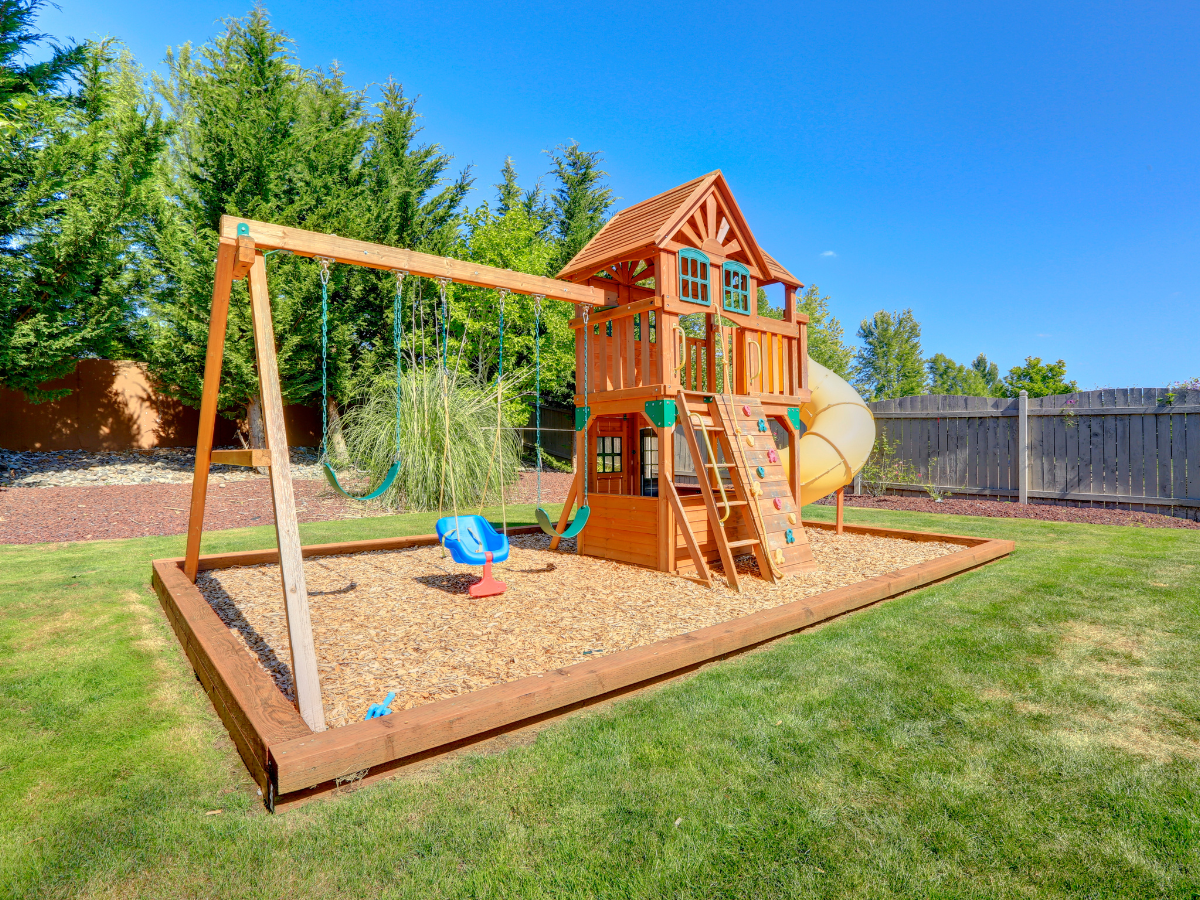
Creating dedicated activity zones is one of the best ways to make a backyard more engaging for children. Instead of treating the entire yard as one open space, dividing it into smaller sections encourages different types of play while helping the backyard feel more organized and functional.
A thoughtfully designed kid friendly backyard should support movement, creativity, exploration, and quiet play. Activity zones help children stay engaged longer because each area offers a different experience and purpose.
These spaces do not need to be large or expensive to be effective. Even smaller backyards can include creative play features when the layout is planned carefully.
Creating Nature Exploration Areas
Nature-focused play zones encourage children to interact with the outdoors in a more hands-on way. These areas often feel less structured than traditional playgrounds and allow children to use imagination and curiosity during play.
Simple features such as logs, stepping stones, tree stumps, or boulders can create climbing and balancing opportunities without requiring large play equipment. Small garden paths or digging areas can also encourage exploration and sensory engagement.
In a kid friendly backyard, natural play elements often blend more easily into the landscaping while creating a softer, more relaxed appearance than brightly colored plastic equipment.
Adding butterfly-friendly plants, bird feeders, or small vegetable gardens can also turn part of the yard into an educational space where children learn about nature through everyday interaction.
Designing Creative And Sensory Play Spaces
Creative activity zones give children opportunities to express themselves while spending time outdoors. Art stations, chalk walls, outdoor easels, and craft tables can transform part of the backyard into a flexible creative area.
Washable materials and weather-resistant furniture help keep these spaces practical for regular use. Positioning creative zones beneath covered patios or shaded areas can also make them more comfortable during warmer weather.
Sensory play areas are another valuable addition to a kid friendly backyard because they encourage touch, movement, and exploration.
Paths made from gravel, mulch, grass, or smooth stones create different textures underfoot, while sandboxes and water tables provide interactive experiences for younger children.
Including fragrant plants, ornamental grasses, or wind chimes can further enhance sensory engagement throughout the yard.
Incorporating Sports And Active Play Areas
Children often need space for active movement, especially as they grow older. Designating a section of the backyard for sports and physical activity helps contain higher-energy play while protecting quieter areas nearby.
Depending on available space, active zones may include a small soccer goal, basketball hoop, obstacle course, or open lawn area for running games.
A kid friendly backyard does not always require large permanent structures to encourage active play. Portable equipment, balance beams, cones, or climbing features can create flexible activity spaces that change over time as children’s interests evolve.
Soft ground surfaces such as artificial turf or rubber mulch can improve comfort and reduce injury risks in these higher-activity areas.
Choosing Play Equipment For Smaller Yards
Families with limited outdoor space often benefit from compact or multi-functional play equipment. Smaller backyards can still support active play when vertical space and flexible designs are used effectively.
Compact swing sets, climbing walls attached to fences, and foldable slides can provide entertainment without overwhelming the yard. Storage-friendly equipment also helps maintain open space when features are not in use.
In a smaller kid friendly backyard, layout becomes especially important. Keeping pathways clear and avoiding overcrowding helps the space feel more open and easier to navigate safely.
Multi-purpose features such as benches with storage or raised garden beds that double as seating can also help maximize functionality in tighter outdoor spaces.
Balancing Structure And Flexibility
The most successful outdoor activity zones allow children to move naturally between different types of play. A balanced backyard includes opportunities for active movement, creative expression, quiet exploration, and family interaction.
By combining sensory features, natural elements, and flexible play equipment, homeowners can create a kid friendly backyard that supports learning, imagination, and outdoor fun while adapting easily as children grow.
Maintaining A Safe And Beautiful Family Backyard
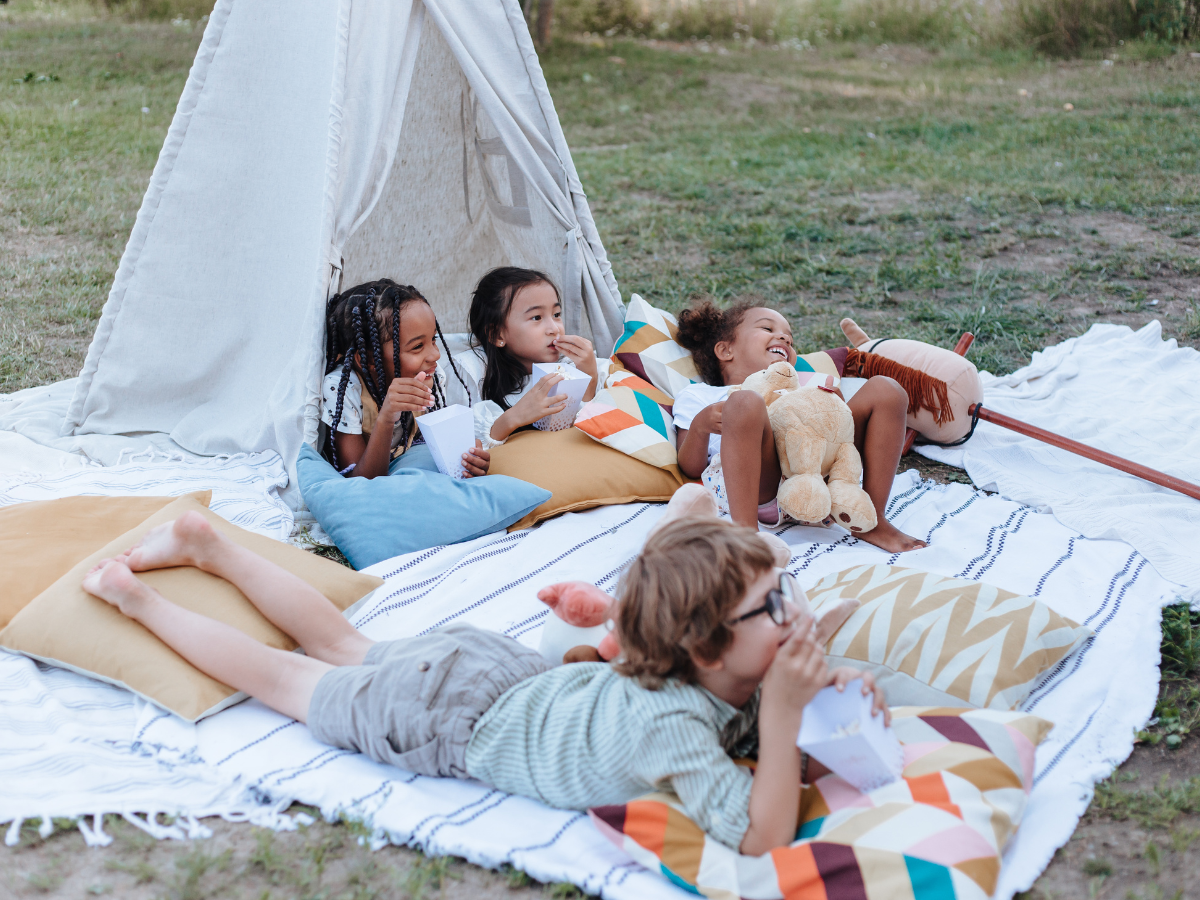
A well-designed outdoor space requires regular upkeep to stay both functional and safe over time. In a kid friendly backyard, maintenance is especially important because children interact directly with play equipment, landscaping, and outdoor surfaces on a daily basis.
Consistent care helps prevent accidents, extends the life of backyard features, and keeps the space looking inviting for the entire family. Small maintenance tasks completed regularly are often far more effective than waiting until problems become larger and more expensive to fix.
Why Regular Backyard Maintenance Matters
Outdoor spaces naturally experience wear from weather, foot traffic, and seasonal changes. Play equipment may loosen over time, plants can become overgrown, and debris can quickly accumulate in active areas.
Routine maintenance helps identify small issues before they become safety concerns. For example, a loose swing bolt, cracked stepping stone, or slippery walkway may seem minor at first, but can create hazards if left unaddressed.
A clean and organized kid friendly backyard also encourages children to spend more time outdoors because the space feels comfortable, safe, and easy to use.
In addition to safety, regular upkeep improves the overall appearance of the yard and helps preserve landscaping investments long term.
Performing Routine Safety Inspections
Frequent inspections are one of the simplest ways to maintain a safer backyard environment. Play structures, fences, gates, lighting, and outdoor furniture should all be checked regularly for signs of wear or damage.
Swings, climbing features, and slides should remain stable and free from rust, splinters, or loose hardware. Ground surfaces beneath play equipment should also be inspected to make sure cushioning materials remain evenly distributed.
In a kid friendly backyard, pathways and patios should stay clear of cracks, slippery buildup, or uneven surfaces that could increase the risk of falls.
Checking lighting fixtures regularly also helps ensure good visibility around walkways and activity areas during the evening.
Keeping The Yard Clean And Organized
A consistent yard clean-up routine helps reduce common outdoor hazards while keeping the backyard more enjoyable for everyday use.
Leaves, sticks, toys, and other debris can quickly create tripping risks, especially in active play areas. Weekly clean-ups help maintain safer walking surfaces while preventing clutter from building up.
Proper storage is another important part of backyard safety. Gardening tools, chemicals, and maintenance equipment should always be stored securely and kept out of children’s reach.
In a kid friendly backyard, storage benches, outdoor cabinets, and designated toy bins can help keep the yard organized without making the space feel cluttered.
Managing Plants And Landscaping Safely
Landscaping requires ongoing care to remain both attractive and safe for children. Overgrown shrubs, low tree branches, and spreading ground cover can block visibility or interfere with play areas if not maintained regularly.
Pruning plants and maintaining clear sightlines helps parents supervise children more easily throughout the yard.
Weed control is also important because certain invasive plants may contain irritants or toxic properties. Removing weeds consistently helps reduce accidental exposure while improving the appearance of garden areas.
Mulch, grass, and soft landscaping surfaces should also be refreshed as needed to maintain comfort and reduce wear in high-traffic areas.
Establishing A Seasonal Maintenance Routine
Different times of the year often require different maintenance priorities. Spring and summer may focus more heavily on lawn care, garden maintenance, and outdoor cleaning, while fall and winter often involve leaf removal, drainage checks, and weather protection.
Many homeowners find it helpful to divide maintenance into weekly, monthly, and seasonal tasks to make upkeep more manageable.
Weekly inspections can help identify immediate safety concerns, while monthly clean-ups allow for deeper organization and equipment checks. Seasonal maintenance may include re-mulching, pruning, sealing outdoor surfaces, or preparing furniture for weather changes.
A consistent maintenance routine helps ensure a kid friendly backyard remains safe, attractive, and functional throughout the year.
Creating A Backyard That Lasts
The best outdoor family spaces are not only fun and visually appealing but also easy to maintain over time.
By prioritizing regular inspections, safe storage, landscaping care, and seasonal upkeep, homeowners can create a kid friendly backyard that continues to support outdoor play, relaxation, and family gatherings for years to come.
Professional Landscaping Support For Family-Friendly Backyards
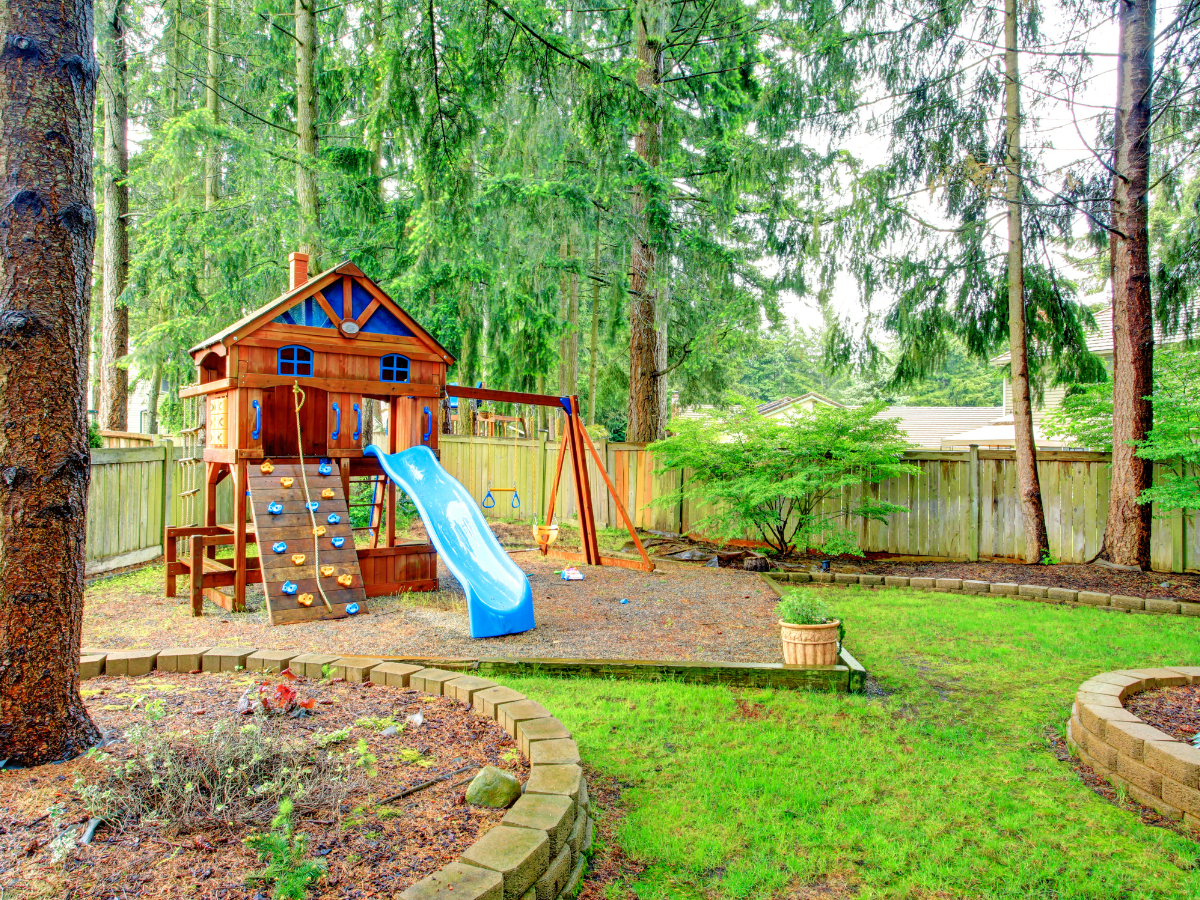
Designing a safe and functional outdoor space for children often involves more than simply adding play equipment or planting grass. Professional landscaping services can help homeowners create a kid friendly backyard that balances safety, appearance, comfort, and long-term usability.
Experienced landscapers understand how to combine practical outdoor features with family-focused design strategies. Their expertise can help families avoid common layout mistakes while creating outdoor spaces that remain enjoyable as children grow.
Why Professional Planning Makes A Difference
Backyard design involves many moving parts, including drainage, grading, surface materials, lighting, plant selection, and traffic flow. When these elements are not planned carefully, the yard may become difficult to maintain or less safe for children.
Professional landscapers can evaluate the property as a whole and recommend solutions that improve both functionality and appearance. In a kid friendly backyard, this often means creating separate activity zones, improving visibility for supervision, and selecting materials that are durable enough for active daily use.
Professionals also help homeowners make better use of available space, especially in smaller yards where layout decisions become even more important.
Custom Play Area Design Services
One of the biggest advantages of working with landscaping professionals is access to customized play area design. Rather than relying on generic layouts, professionals can create outdoor spaces that match the specific needs of the family and property.
Custom play structures can be designed to fit the age range of the children while complementing the overall appearance of the home and landscape. Features such as climbing walls, swing sets, sensory play areas, and shaded activity zones can all be integrated into the design more naturally.
Surface installation is another major consideration in a kid friendly backyard. Landscapers can recommend and install safer ground materials such as rubber mulch, artificial turf, or engineered wood fiber to help cushion falls and improve comfort during play.
Proper spacing between play features also helps improve safety and reduce overcrowding within activity zones.
Improving Safety Through Maintenance Services
Regular maintenance is essential for keeping outdoor spaces safe and visually appealing over time. Landscaping professionals often provide ongoing services that help families maintain cleaner and more functional yards.
Routine inspections can identify loose play equipment, damaged surfaces, drainage problems, or overgrown landscaping before they become larger concerns.
Yard clean-up services are especially useful in active family spaces because debris, fallen branches, and clutter can quickly create tripping hazards. Consistent upkeep helps a kid friendly backyard remain safer and easier for children to navigate.
Professionals can also assist with seasonal tasks such as mulching, pruning, lawn care, irrigation adjustments, and outdoor lighting maintenance.
Enhancing Water Feature Safety
Water features can add visual interest and entertainment value to a backyard, but they also require careful planning and regular maintenance.
Professional landscapers understand how to incorporate water elements safely within family-focused outdoor spaces. They can install secure barriers, improve drainage, and recommend child-friendly options such as splash pads or shallow fountains.
Maintenance services also help prevent issues such as algae buildup, slippery surfaces, or water quality problems that may affect safety.
In a kid friendly backyard, proper water feature design allows families to enjoy the benefits of outdoor water elements while minimizing unnecessary risks.
Balancing Beauty And Functionality
A professionally designed backyard should support everyday family life while still looking polished and cohesive. Landscapers can help blend play areas, seating spaces, gardens, and outdoor entertainment zones into a layout that feels visually balanced instead of crowded or disconnected.
Plant selection also becomes easier with professional guidance. Experts can recommend durable, non-toxic plants that are safe for children while still providing seasonal color, texture, and shade.
Lighting, fencing, pathways, and drainage solutions can all be incorporated in ways that improve both safety and curb appeal.
Creating A Backyard That Grows With Your Family
One of the biggest benefits of professional landscaping is the ability to create flexible outdoor spaces that adapt over time. A kid friendly backyard designed with long-term use in mind can evolve as children grow, interests change, and family needs shift.
By combining safe play features, durable materials, thoughtful layouts, and ongoing maintenance support, professional landscaping services help families create outdoor spaces that remain functional, comfortable, and enjoyable for years to come. environment.
Conclusion
Creating a kid-friendly backyard oasis is about designing a space that balances safety, creativity, comfort, and long-term functionality for the whole family.
From soft play surfaces and shaded seating areas to beautiful garden features and outdoor gathering spaces, the right landscaping choices can transform your yard into a place where children can play freely while adults relax and entertain.
Thoughtful planning and professional design can help maximize both enjoyment and property value. For custom family-focused landscaping solutions, choose Glover Landscapes.
For custom family-friendly landscaping solutions, choose Glover Landscapes. Ready to transform your backyard into a space your family will love? Call (404) 982-4176 or visit the website to get a free estimate on your landscaping project today.