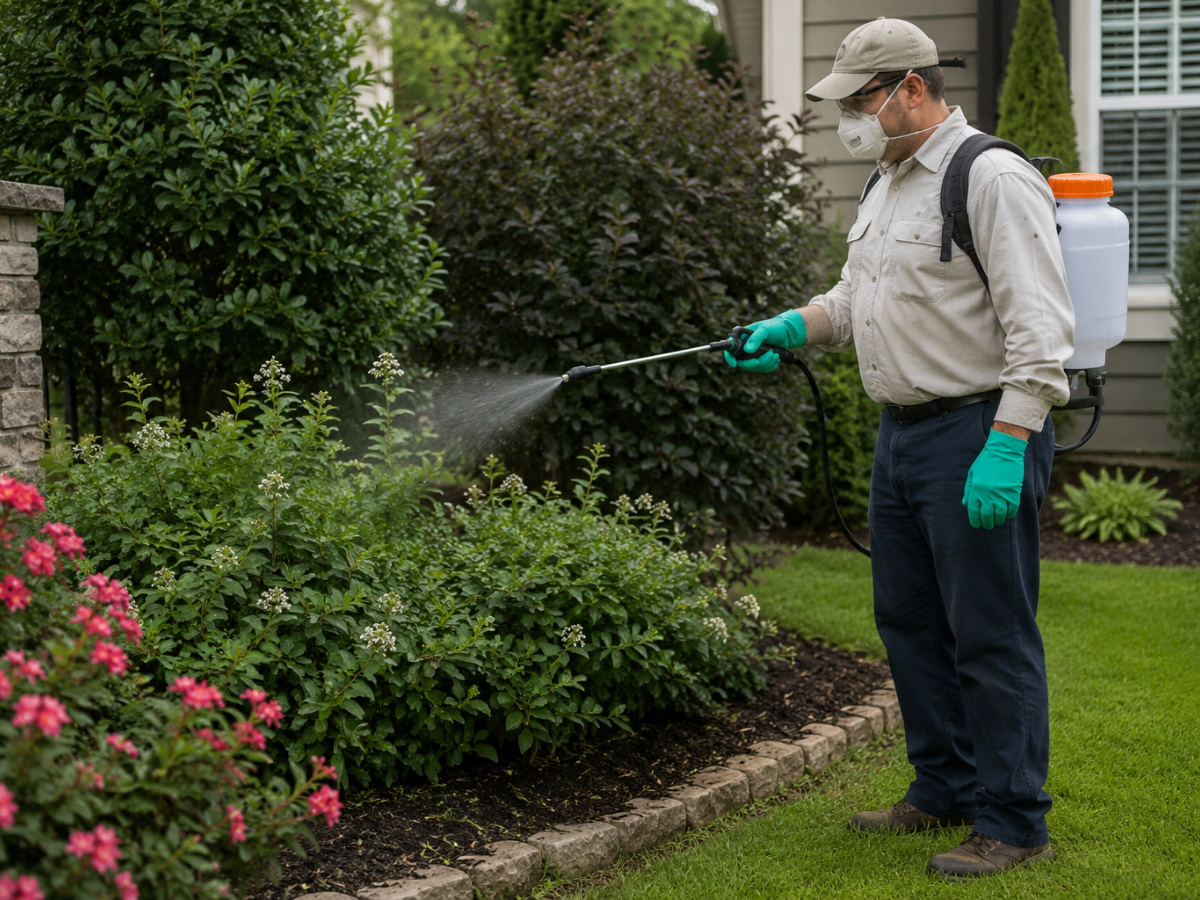
Pests can quickly damage an otherwise healthy landscape, affecting everything from lawns and shrubs to trees and garden beds. In Atlanta’s warm, humid climate, insects and plant-related pests can thrive for much of the year if they aren’t managed properly.
Effective landscape pest control requires more than temporary treatments. It depends on long-term prevention and balanced management strategies.
Comprehensive organic and integrated pest control methods focus on reducing pest activity while supporting overall landscape health. Techniques such as proper plant care, biological controls, targeted treatments, and monitoring help manage problems without relying solely on heavy chemical use.
With the right approach, homeowners can protect their outdoor spaces, reduce recurring pest issues, and maintain healthier landscapes throughout the seasons.
Pest Control Solutions for Healthier Atlanta Landscapes
What Are the Most Common Garden Pests Affecting Atlanta Landscapes?
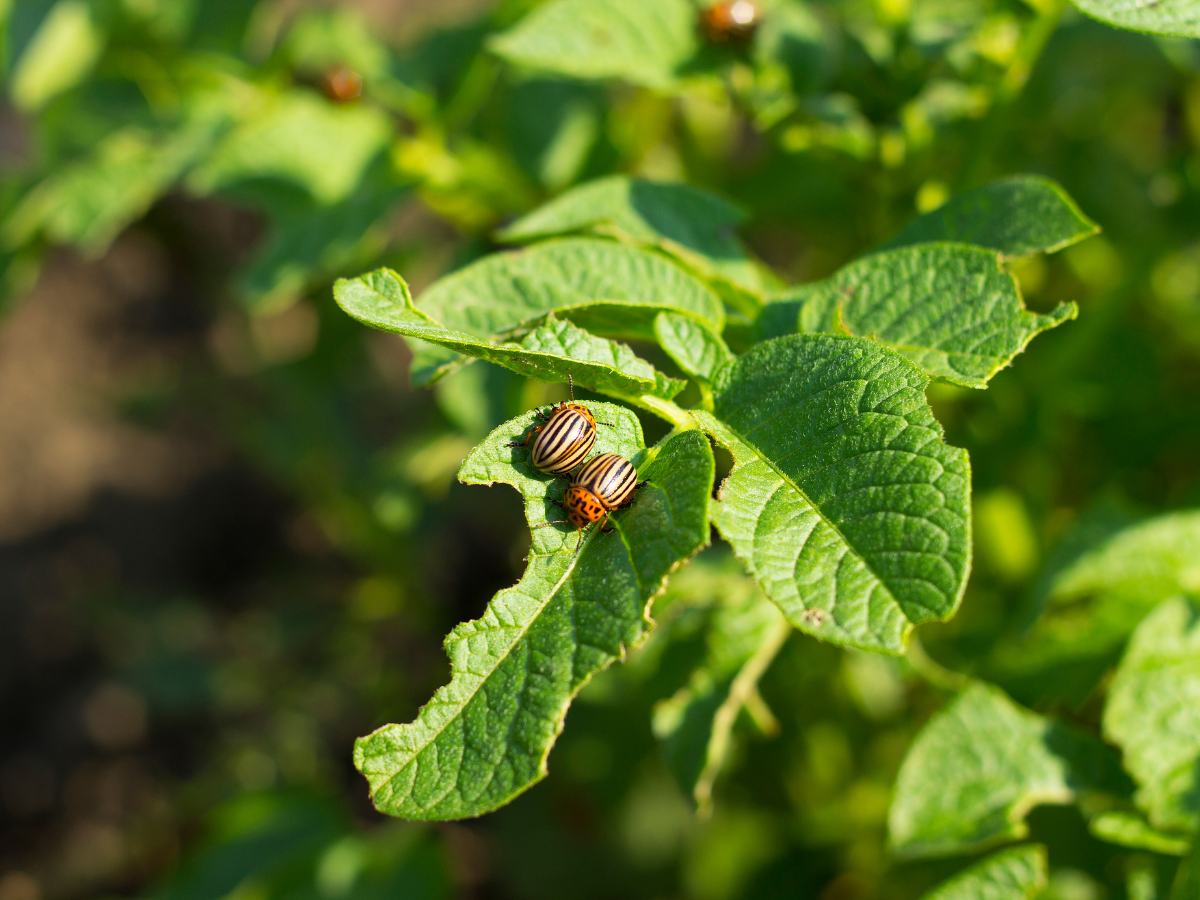
Understanding which pests commonly affect Atlanta landscapes is one of the first steps toward effective pest control. The region’s warm temperatures and long growing season create favorable conditions for a wide range of insects that target lawns, shrubs, flowers, and vegetable gardens throughout the year.
Among the most common garden pests in Atlanta are aphids, beetles, caterpillars, spider mites, and whiteflies. While some insects cause only minor cosmetic damage, others can quickly weaken plants, spread disease, and disrupt the overall health of a landscape if they are not addressed early.
Because many infestations begin subtly, homeowners often overlook the warning signs until noticeable damage appears. Regular observation and early intervention are important parts of successful pest control, especially during the spring and summer months when pest activity tends to increase.
Identifying Common Garden Pests in Atlanta
Different pests affect plants in different ways, so identifying the source of the problem helps determine the best treatment approach.
Aphids are among the most common pests found in Atlanta gardens. These tiny insects cluster along stems and the undersides of leaves, feeding on plant sap.
Infested plants may develop curled leaves, yellowing foliage, or sticky residue known as honeydew. Over time, heavy aphid activity can weaken plant growth and attract additional issues like mold.
Beetles are another frequent concern, particularly Japanese beetles and flea beetles. Japanese beetles feed on leaves and flowers, often leaving behind a lace-like skeletonized appearance. Flea beetles create small holes in leaves and can damage vegetable gardens early in the growing season.
Caterpillars may seem harmless at first, but some species can rapidly strip plants of foliage. Tomato hornworms, armyworms, and bagworms are especially problematic in certain Atlanta landscapes and can cause extensive damage if populations grow unchecked.
Spider mites and whiteflies are also common in hot, dry conditions. These pests are smaller and harder to detect, but they often leave behind speckled leaves, webbing, or weakened plant growth.
How Garden Pests Affect Plant Health
Pests do more than create visible damage. Many insects interfere with a plant’s ability to grow, absorb nutrients, and recover from environmental stress.
Sap-feeding insects like aphids and whiteflies weaken plants gradually by draining moisture and nutrients from stems and leaves. As plants lose energy, they become more vulnerable to disease, drought stress, and poor flowering or fruit production.
Leaf-chewing pests, including caterpillars and beetles, reduce the plant’s ability to photosynthesize efficiently. Damaged leaves cannot process sunlight as effectively, which may slow growth and affect overall plant vigor.
Some pests also introduce secondary problems. For example, honeydew left behind by aphids can encourage sooty mold growth, while damaged foliage may create entry points for fungal or bacterial diseases.
When infestations continue unchecked, plants may struggle to recover fully even after the pests are removed.
The Impact on Landscape Appearance
Beyond plant health, pest activity can significantly affect the appearance of an outdoor space. Brown patches, chewed leaves, thinning shrubs, and damaged flowers can quickly make a well-maintained landscape look neglected.
In decorative gardens, even moderate pest damage may reduce curb appeal and disrupt the overall design of the yard. Vegetable gardens can also suffer reduced yields when pests target edible plants during critical growth periods.
Because Atlanta’s climate allows many pests to remain active for extended portions of the year, ongoing monitoring is an important part of maintaining a healthy landscape.
Why Early Pest Control Matters
Early detection makes pest control far more manageable and helps reduce the need for aggressive treatments later. Small infestations are often easier to contain before they spread to multiple plants or neighboring areas of the yard.
Routine inspections, healthy soil management, proper watering practices, and seasonal treatments all contribute to stronger plant health and more effective pest prevention. In many cases, maintaining healthy plants naturally improves resistance to insects and environmental stress.
By understanding the most common garden pests affecting Atlanta landscapes, homeowners can respond more quickly, protect plant health, and maintain a cleaner, healthier outdoor environment throughout the growing season.
Which Organic Pest Control Methods Are Best Suited for Atlanta Gardens?

For homeowners looking to maintain healthy landscapes without relying heavily on synthetic chemicals, organic pest control offers a practical and environmentally responsible approach.
Atlanta’s warm climate creates ideal conditions for many common garden pests, but it also supports a thriving ecosystem of beneficial insects and pollinators that can be harmed by overly aggressive chemical treatments.
Organic pest control focuses on managing pests through natural products, preventative care, and balanced ecosystem practices. Instead of simply eliminating insects across the board, these methods aim to reduce harmful pest populations while protecting soil health, pollinators, pets, and surrounding wildlife.
For many Atlanta gardeners, this approach creates healthier long-term growing conditions and helps reduce repeated infestations over time.
Natural Repellents and Eco-Friendly Treatments
Several organic pest control methods are especially effective for Atlanta landscapes and home gardens. Natural treatments like neem oil, insecticidal soaps, and horticultural oils are commonly used because they target soft-bodied insects without leaving behind heavy chemical residues.
Neem oil is particularly popular for managing aphids, whiteflies, spider mites, and certain beetles. It works by disrupting insect feeding and reproductive cycles, making it difficult for pests to survive and spread.
Research has shown that neem-based treatments can effectively reduce aphid populations in both garden and agricultural settings when applied consistently.
Insecticidal soaps are another useful option for treating visible infestations. These products break down the protective outer layer of soft-bodied pests, helping control outbreaks while remaining relatively safe for beneficial insects when applied carefully.
Many gardeners also use companion planting and natural deterrents to strengthen organic pest control strategies. Herbs such as basil, mint, lavender, and marigolds may help discourage certain insects while attracting pollinators and beneficial predators.
Encouraging Beneficial Insects
One of the biggest advantages of organic pest control is that it supports the insects that naturally help keep pest populations balanced.
Ladybugs, lacewings, praying mantises, and parasitic wasps all feed on harmful pests like aphids and caterpillars. Encouraging these beneficial insects reduces the need for repeated treatments and creates a more stable garden ecosystem over time.
Plant diversity also plays an important role. Gardens with a mix of flowers, herbs, shrubs, and vegetables tend to attract a wider range of beneficial insects and are often less vulnerable to large-scale infestations.
Rather than trying to sterilize the landscape of all insect activity, organic gardening works with natural biological systems to improve balance and resilience.
How Organic Pest Control Supports Sustainability
Reducing chemical use benefits more than just the garden itself. Organic pest control helps lower chemical runoff into nearby soil and waterways, which is especially important in residential areas where stormwater drainage can carry pesticides into surrounding ecosystems.
Limiting synthetic pesticides also reduces exposure risks for children, pets, pollinators, and wildlife. Many homeowners prefer organic approaches because they allow them to manage pests while maintaining a safer outdoor environment for everyday use.
Healthy soil is another major advantage. Overusing harsh chemical treatments can disrupt beneficial microorganisms that support plant growth. Organic methods tend to preserve soil structure and microbial activity, helping plants become stronger and more naturally resistant to pests and disease.
Preventative Strategies Matter
Successful organic pest control depends heavily on prevention and consistent monitoring. Healthy plants are generally more resistant to pests, so proper watering, mulching, pruning, and fertilization all contribute to a stronger defense against infestations.
Routine garden inspections also make a major difference. Catching pest problems early often allows homeowners to manage them with smaller, targeted treatments before the issue spreads throughout the landscape.
In Atlanta’s climate, where insects remain active for much of the year, combining prevention with natural treatment methods creates a more sustainable long-term strategy for maintaining healthy outdoor spaces.
By using organic pest control methods thoughtfully and consistently, homeowners can protect their gardens, reduce chemical exposure, and support a healthier local ecosystem without sacrificing effective pest management.
How Does Integrated Pest Management Enhance Landscape Pest Control?

Integrated Pest Management, commonly known as IPM, is a practical and balanced approach to pest control that focuses on long-term prevention rather than relying solely on repeated chemical treatments.
Instead of treating every pest problem the same way, IPM combines multiple strategies to reduce infestations while minimizing risks to people, pets, beneficial insects, and the surrounding environment.
For homeowners in Atlanta, where warm temperatures and humidity support year-round pest activity, Integrated Pest Management offers a more sustainable way to protect landscapes, lawns, and gardens without overusing pesticides.
The goal of IPM is not necessarily to eliminate every insect. Instead, it aims to keep pest populations under control while preserving the health of the overall ecosystem.
Combining Multiple Pest Control Strategies
One of the defining features of Integrated Pest Management is its use of several complementary methods rather than depending on a single treatment.
Biological controls are often an important first step. These methods involve encouraging or introducing beneficial organisms that naturally reduce harmful pest populations. Ladybugs, lacewings, and certain parasitic wasps help manage aphids, mites, and caterpillars without damaging plants or pollinators.
Mechanical controls focus on physically limiting pest activity. Examples include barriers, traps, pruning infected plant material, and removing standing water or debris where insects breed.
In many cases, improving sanitation and eliminating hiding places can significantly reduce pest pressure before chemical intervention is needed.
Chemical treatments remain part of Integrated Pest Management, but they are used more selectively. Rather than broad, repeated applications, treatments are targeted to specific pests, affected areas, and seasonal conditions.
This approach helps reduce unnecessary chemical exposure while still providing effective pest control when infestations become difficult to manage naturally. By combining these methods thoughtfully, IPM creates a more stable and efficient pest management system over time.
Why Prevention Matters in Pest Control
A major advantage of Integrated Pest Management is its focus on prevention rather than reaction.
Healthy plants are naturally more resistant to pests and disease, so IPM encourages practices that strengthen landscape health overall. Proper watering, soil improvement, mulching, pruning, and plant selection all contribute to reducing pest problems before they escalate.
Routine monitoring also plays a critical role. Instead of waiting for severe visible damage, homeowners and professionals inspect landscapes regularly for early warning signs such as chewed leaves, discoloration, webbing, or unusual insect activity.
Addressing small issues early usually requires less aggressive treatment and reduces the chance of widespread infestations later in the season.
Seasonal Pest Control in Atlanta
Atlanta’s climate creates unique pest control challenges because many insects remain active for extended periods of the year. Seasonal planning is an important part of successful Integrated Pest Management.
In spring, aphids, caterpillars, ants, and emerging beetles become more active as temperatures rise. Early monitoring during this period helps prevent rapid population growth later in the season.
Summer often brings increased mosquito activity, spider mites, whiteflies, and lawn pests that thrive in heat and humidity. During this time, proper irrigation management and targeted treatments become especially important.
Fall introduces another shift in pest behavior. Rodents, stink bugs, and certain insects may begin searching for shelter indoors as temperatures cool. Preventive sealing and landscape cleanup help reduce these seasonal invasions.
Even during winter, Atlanta homeowners may still encounter pest activity due to the region’s relatively mild temperatures. Ongoing inspections and maintenance help prevent dormant infestations from returning more aggressively in spring.
The Long-Term Benefits of Integrated Pest Management
Integrated Pest Management supports healthier landscapes while reducing unnecessary pesticide use and long-term environmental impact.
Because IPM focuses on prevention, monitoring, and strategic treatment, it often leads to more stable results over time compared to reactive pest control alone.
Homeowners also benefit from lower risks to pets, pollinators, and beneficial insects that contribute to a healthy outdoor environment.
For Atlanta landscapes, where pest activity can change quickly with the seasons, Integrated Pest Management provides a flexible and sustainable pest control strategy that balances effectiveness with environmental responsibility.
What Role Does Yard Cleanup Play in Preventing Pest Infestations?
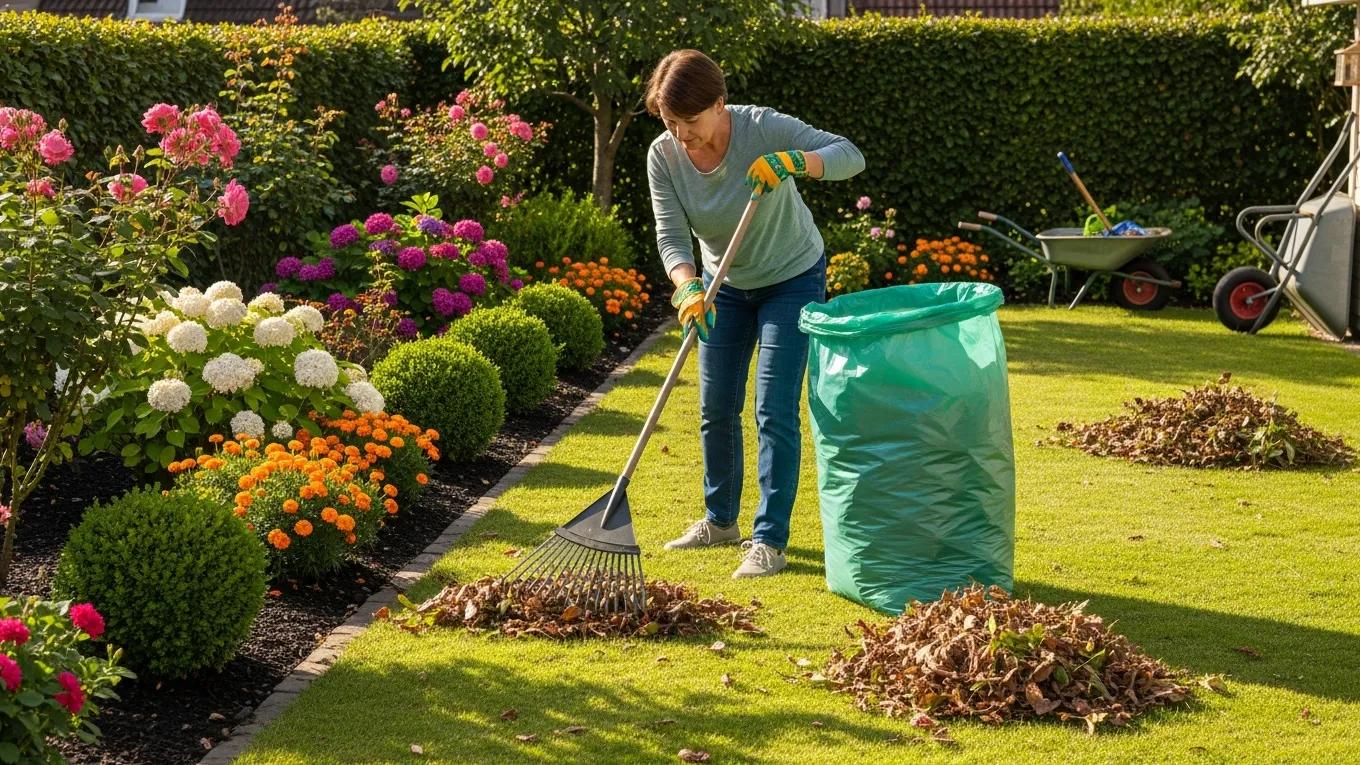
Regular yard cleanup is one of the simplest and most effective ways to support long-term pest control. In Atlanta’s warm and humid climate, outdoor debris can quickly become an ideal environment for insects, rodents, and other unwanted pests.
Leaves, overgrown vegetation, standing water, and neglected garden areas all create shelter, moisture, and food sources that encourage pest activity.
While many homeowners focus on treatments after pests appear, preventative maintenance often makes the biggest difference. A well-maintained yard naturally reduces the conditions that allow infestations to grow in the first place.
Consistent cleanup also improves the effectiveness of other pest control strategies by removing hidden nesting areas and limiting opportunities for pests to spread throughout the landscape.
How Yard Debris Attracts Pests
Organic debris may seem harmless, but it often provides ideal hiding places for insects and rodents. Fallen leaves, stacked branches, damp mulch, and unmanaged grass clippings trap moisture and create cool, protected spaces where pests can thrive.
Mosquitoes are commonly drawn to standing water found in clogged gutters, birdbaths, plant trays, or neglected containers around the yard. Ants, cockroaches, and termites are attracted to damp wood, decaying organic matter, and overgrown vegetation near the home’s foundation.
Rodents may also use dense shrubs, woodpiles, or cluttered outdoor storage areas as shelter before eventually moving indoors in search of food and warmth.
By removing these conditions regularly, homeowners make the landscape far less attractive to common pests and reduce the likelihood of larger infestations developing over time.
The Benefits of Consistent Yard Maintenance
Routine yard maintenance supports pest control in several important ways beyond simple cleanup.
Keeping grass trimmed and shrubs pruned improves airflow and sunlight exposure throughout the landscape. This creates drier conditions that are less favorable for many insects and fungal issues. Pruning also prevents branches and vegetation from touching the home, reducing pathways pests can use to enter the structure.
Weeding garden beds and removing dead plant material also helps eliminate hiding places where insects breed or feed. Healthier plants are generally more resistant to pest damage, so regular maintenance contributes to stronger landscape health overall.
Frequent inspections during yard work can also help homeowners spot early warning signs of pest activity. Chewed leaves, insect clusters, burrows, damaged bark, or unusual discoloration are often easier to detect during routine maintenance than after an infestation becomes severe.
Supporting Organic Pest Control Naturally
Yard cleanup plays an especially important role in organic pest control because prevention is a major focus of environmentally conscious landscape management.
Rather than depending heavily on pesticides, organic pest control works by reducing the conditions pests need to survive. Removing excess debris, improving drainage, and maintaining healthy plants naturally lowers pest pressure while supporting beneficial insects and pollinators.
For example, keeping mulch at appropriate depths helps retain soil moisture without creating overly damp environments that attract termites or fungal growth. Proper spacing between plants improves air circulation and reduces the spread of insects and disease.
Healthy, balanced landscapes are generally better equipped to tolerate minor pest activity without developing widespread problems.
Seasonal Yard Cleanup Matters
In Atlanta, seasonal changes influence pest behavior throughout the year, making ongoing maintenance especially important.
Spring cleanup helps remove debris left behind during winter and reduces breeding areas before pest populations increase. Summer maintenance focuses on controlling moisture, trimming rapid plant growth, and monitoring active insect populations.
During fall, clearing leaves and organic buildup becomes critical because decaying material creates ideal overwintering conditions for pests. Winter is also a good time to inspect the property for potential rodent shelter areas or moisture issues before spring activity begins again.
Adjusting yard maintenance seasonally helps strengthen overall pest control and keeps small issues from turning into larger infestations.
Why Preventative Pest Control Starts Outdoors
Many pest problems begin outside before eventually moving indoors. Preventative outdoor maintenance reduces pressure around the home and creates fewer opportunities for insects and rodents to establish themselves nearby.
When combined with regular inspections and thoughtful landscape care, yard cleanup becomes one of the most practical and cost-effective parts of a long-term pest control strategy.
By maintaining a cleaner, healthier outdoor environment, homeowners can reduce pest activity naturally while improving the appearance and overall health of their landscape at the same time.
How Can Homeowners Choose the Right Pest Control Services in Atlanta?
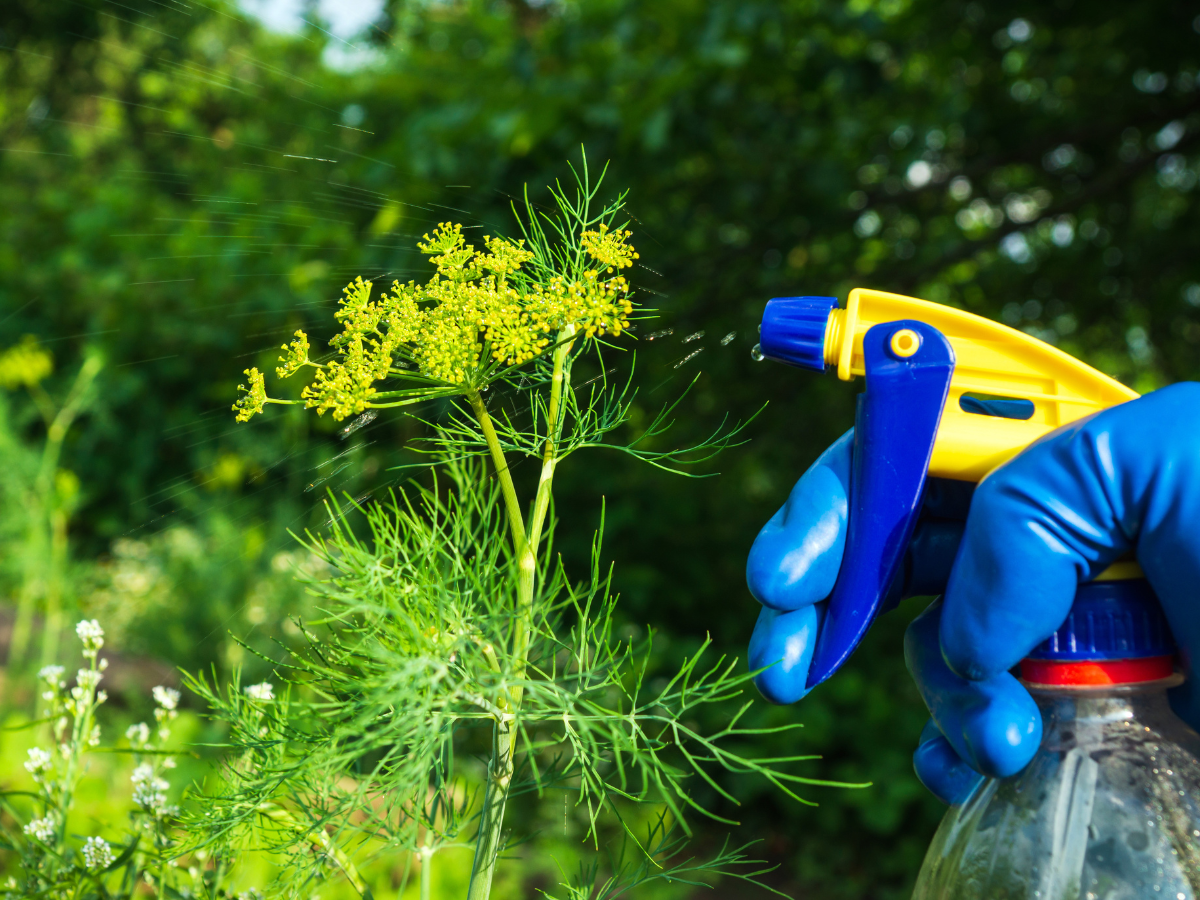
Finding the right pest control provider is an important part of protecting both your home and landscape. In a climate like Atlanta’s, where pests remain active for much of the year, choosing a company with the right experience and treatment approach can make a major difference in long-term results.
Not all pest control services operate the same way. Some focus primarily on short-term chemical treatments, while others emphasize prevention, monitoring, and environmentally responsible solutions.
Understanding what to look for helps homeowners choose a provider that aligns with their goals, property needs, and comfort level.
Whether the concern involves insects in the landscape, recurring mosquito activity, or pests moving toward the home, a thoughtful pest control strategy should address both the immediate problem and the conditions contributing to it.
Evaluating Pest Control Companies in Atlanta
One of the first things homeowners should consider is whether a company has experience with Atlanta’s specific pest challenges. The region’s humidity and long growing season create conditions for termites, mosquitoes, ants, aphids, roaches, rodents, and seasonal lawn pests throughout much of the year.
A knowledgeable pest control provider should understand how seasonal weather patterns influence pest behavior and how local landscaping conditions contribute to infestations.
It’s also helpful to review the company’s treatment philosophy. Many homeowners today prefer pest control services that combine prevention, monitoring, and targeted treatment rather than relying solely on heavy chemical applications.
Companies that offer Integrated Pest Management or eco-friendly treatment options often focus on long-term prevention strategies that reduce environmental impact while still addressing active infestations effectively.
Customer reviews and licensing also matter. Consistently positive feedback, clear communication, and proper certifications can help homeowners feel more confident about the quality and professionalism of the service.
Understanding Eco-Friendly Pest Control Options
Eco-friendly pest control has become increasingly popular among Atlanta homeowners looking to reduce unnecessary chemical exposure around children, pets, gardens, and pollinators.
These services often use a combination of targeted treatments, natural repellents, habitat reduction, and preventative maintenance to manage pest activity.
Rather than applying broad pesticide treatments automatically, environmentally conscious pest control providers typically evaluate the severity of the issue before determining the best course of action.
For example, improving drainage, trimming vegetation, sealing entry points, or removing standing water may significantly reduce pest activity without requiring aggressive chemical use.
Homeowners interested in greener pest control solutions should ask providers about treatment materials, application methods, and how they protect beneficial insects and surrounding landscapes during service.
What to Expect During Professional Pest Control Services
Professional pest control usually begins with a detailed inspection of the property. This assessment helps identify the type of pest involved, areas of activity, entry points, moisture issues, and environmental conditions contributing to the problem.
After the inspection, the company typically develops a treatment plan tailored to the property’s specific needs. Effective pest control plans often include both immediate treatment and preventative recommendations designed to reduce future infestations.
In many cases, ongoing monitoring is part of the service. Regular visits allow technicians to track pest activity, adjust treatments seasonally, and address small problems before they become more severe.
Good communication is also an important part of professional pest control. Homeowners should understand what treatments are being applied, why they are necessary, and what steps they can take to support long-term prevention between service visits.
Why Long-Term Pest Prevention Matters
The most effective pest control strategies focus on more than simply eliminating visible pests. Long-term prevention reduces the likelihood of recurring infestations and helps maintain healthier landscapes overall.
Routine inspections, seasonal adjustments, moisture management, and proper yard maintenance all contribute to stronger results over time. Pest control companies that prioritize education and prevention often help homeowners develop more sustainable solutions rather than relying on repeated reactive treatments.
In Atlanta’s climate, where pest pressure can remain high throughout the year, choosing a knowledgeable and proactive pest control provider helps homeowners protect both their property and outdoor living spaces more effectively.
By selecting a company that combines expertise, prevention strategies, and environmentally responsible practices, homeowners can build a more reliable long-term approach to pest control while maintaining a healthier landscape overall.
What Are the Best Practices for Pest Identification and Prevention in Landscapes?
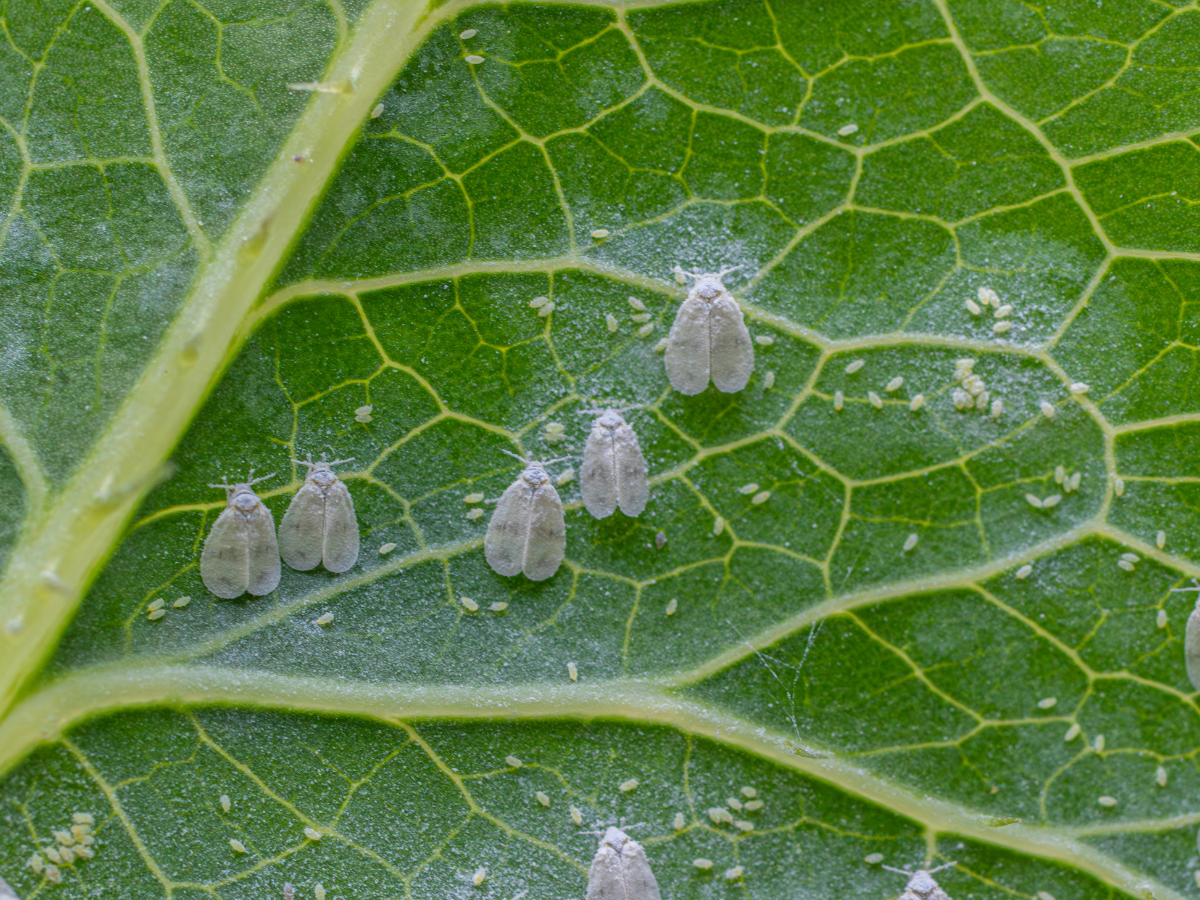
Successful pest control starts long before an infestation becomes obvious. Early identification and preventative maintenance are two of the most effective ways to protect lawns, gardens, and outdoor living spaces from long-term damage.
In Atlanta’s climate, where warm temperatures allow many insects to remain active for much of the year, homeowners benefit from developing a consistent approach to monitoring and prevention.
Small warning signs often appear well before serious plant damage occurs, and recognizing those signs early can make pest control much easier and more manageable.
Rather than reacting only after pests spread, proactive landscape care helps reduce the likelihood of recurring infestations and supports healthier plant growth overall.
Why Early Pest Identification Matters
One of the biggest challenges in pest control is that many problems begin gradually. Small insects, eggs, or feeding damage may go unnoticed until plants start declining or visible infestations appear throughout the yard.
Learning to recognize common signs of pest activity allows homeowners to intervene earlier and often with less aggressive treatment methods. Wilting leaves, discoloration, holes in foliage, sticky residue, webbing, or sudden thinning of plants can all signal developing pest issues.
Different pests also leave different patterns of damage. Aphids tend to cluster along stems and leaf undersides, while caterpillars often create larger chew marks on foliage. Spider mites may leave fine webbing and speckled leaves, especially during hot, dry weather.
Understanding these differences improves pest control decisions and helps homeowners choose treatments that address the specific problem rather than applying unnecessary products broadly across the landscape.
Using Visual Guides for Better Pest Control
Visual aids can make pest identification much easier, especially for homeowners who are unfamiliar with common landscape insects.
Pest lifecycle diagrams are particularly useful because they show how insects develop from eggs into mature adults. Recognizing pests during their early stages often allows for more effective intervention before populations expand.
For example, identifying caterpillar eggs on leaves early in the season can help prevent widespread feeding damage later. Similarly, spotting immature aphids before colonies spread may reduce the need for stronger treatments.
Many gardening resources, local extension offices, and pest control professionals provide visual identification materials tailored to regional pests found in Atlanta landscapes.
Keeping reference guides available during routine yard inspections can help homeowners respond more confidently and quickly when unusual activity appears.
Preventative Pest Control Strategies
Preventative care is one of the most important aspects of long-term pest control. Healthy landscapes are naturally more resistant to pests, environmental stress, and disease.
Proper watering practices are especially important. Overwatering creates damp conditions that attract mosquitoes, fungus gnats, and certain lawn pests, while underwatered plants become stressed and more vulnerable to insect damage.
Regular pruning also improves airflow and sunlight exposure, reducing moisture buildup that encourages pests and fungal growth. Removing dead branches, fallen leaves, and decaying plant material eliminates common hiding and breeding areas for insects.
Mulching properly helps retain soil moisture and regulate temperature, but excessive mulch against foundations or tree trunks can create ideal conditions for termites and other pests. Maintaining balanced landscaping practices reduces these risks significantly.
Seasonal Pest Prevention Throughout the Year
Because pest activity changes seasonally in Atlanta, prevention strategies should adjust throughout the year as well.
Spring is an important time for monitoring new plant growth and inspecting for emerging insect populations. Summer often requires closer attention to moisture control and lawn health as heat-loving pests become more active.
During fall, cleaning leaves and trimming overgrowth helps reduce overwintering areas for insects and rodents. Winter inspections can identify moisture problems, entry points, or dormant infestations before pest activity increases again in warmer weather.
Routine seasonal maintenance strengthens overall pest control and reduces the likelihood of sudden infestations later.
Building a Long-Term Pest Prevention Routine
The most effective pest control plans combine observation, maintenance, and early action. Regular inspections help homeowners detect changes quickly, while preventative care creates an environment that is less attractive to destructive pests.
By understanding common pest behavior, monitoring landscapes consistently, and maintaining healthy outdoor conditions, homeowners can reduce damage, limit chemical dependence, and support a healthier landscape year-round.
Strong prevention habits not only improve pest control results but also contribute to a more resilient and visually appealing outdoor space over time.
How Often Should Landscape Pest Control Be Performed in Atlanta?
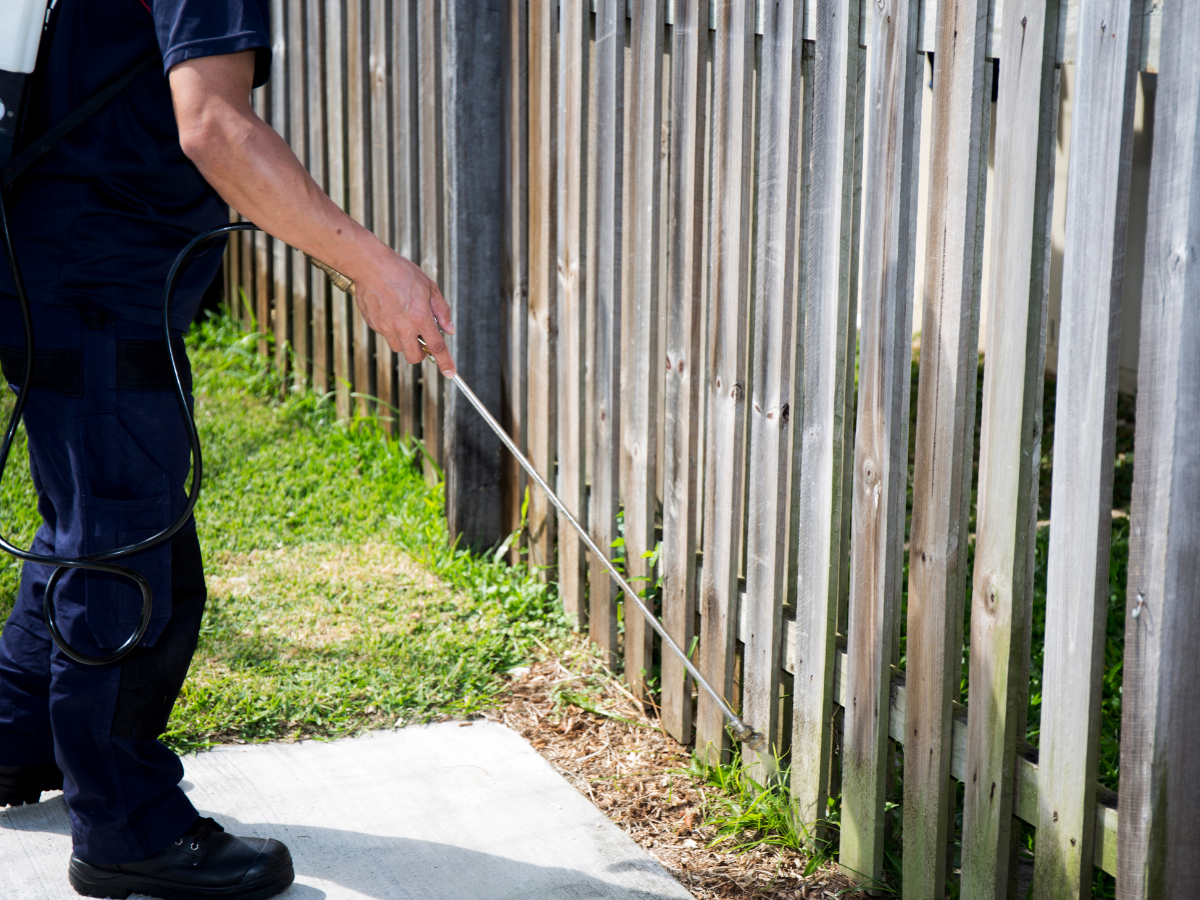
The ideal pest control schedule for Atlanta landscapes depends on several factors, including the type of pests present, seasonal weather patterns, plant health, and the overall condition of the property.
Because Atlanta’s warm climate supports year-round insect activity, pest management often requires more consistent attention than in regions with longer winters.
Rather than relying on a single annual treatment, effective pest control usually involves regular monitoring and seasonal adjustments throughout the year. A proactive approach helps homeowners prevent small pest issues from turning into larger infestations that are more difficult and costly to manage.
The right schedule will vary from property to property, but consistency is one of the most important factors in maintaining healthy landscapes and reducing long-term pest pressure.
Why Seasonal Timing Matters for Pest Control
Different pests become active at different times of the year, which means treatment schedules should adapt to changing seasonal conditions.
In spring, rising temperatures trigger increased activity among aphids, ants, caterpillars, termites, and lawn pests. Early-season inspections and preventative treatments can help stop infestations before populations grow rapidly during warmer months.
Summer often brings peak mosquito activity along with spider mites, whiteflies, beetles, and fungal-related pest issues encouraged by humidity. During this time, landscape pest control may require more frequent monitoring, especially around gardens, standing water, and dense vegetation.
In the fall, many pests begin searching for shelter as temperatures cool. Rodents, stink bugs, and certain insects may move closer to homes or hide within landscape debris. Fall cleanup and preventative treatments help reduce overwintering populations before they become indoor problems.
Even winter plays a role in pest control planning. Atlanta’s relatively mild winters allow some pests to remain active longer than expected, making year-round inspections beneficial for long-term prevention.
How Frequently Should Treatments Be Scheduled?
For many homeowners, quarterly pest control treatments provide a solid foundation for managing common landscape pests throughout the year. These seasonal visits allow pest control professionals to adjust treatments based on current conditions and emerging pest activity.
However, some properties may require more frequent service depending on the environment and level of pest pressure. Homes near wooded areas, water sources, or dense vegetation often experience increased insect activity and may benefit from monthly or bi-monthly monitoring during peak seasons.
Organic or Integrated Pest Management programs may also involve more frequent inspections with lighter, targeted treatments instead of larger chemical applications. This approach focuses heavily on prevention, monitoring, and environmental balance rather than relying only on scheduled spraying.
Ultimately, the most effective pest control schedule depends on the property’s specific needs and how pest activity changes over time.
The Importance of Ongoing Monitoring
One of the most overlooked aspects of successful pest control is regular observation between treatments.
Homeowners should periodically inspect plants, lawns, mulch beds, and outdoor structures for signs of pest activity. Changes such as chewed leaves, discoloration, webbing, dead patches in grass, or visible insect clusters can indicate developing problems that require attention.
Monitoring also helps determine whether existing treatments are working effectively. If pest activity continues despite ongoing service, adjustments may be needed in treatment timing, application methods, or preventative maintenance practices.
Pest control works best when it remains flexible and responsive rather than following a rigid schedule regardless of conditions.
Adjusting Pest Control Strategies Over Time
As landscapes mature and weather patterns shift, pest control needs may change as well. New plants, irrigation changes, drainage issues, or nearby construction can all influence pest behavior around a property.
That is why long-term pest management should include periodic reassessment rather than repeating identical treatments indefinitely. A strong pest control plan evolves alongside the landscape itself.
Professional pest control providers often combine treatment with recommendations for pruning, moisture management, yard cleanup, and plant care to help reduce the environmental conditions that attract pests in the first place.
Building a Sustainable Pest Control Routine
Consistent, well-timed pest control supports healthier landscapes and reduces the risk of severe infestations throughout the year. In Atlanta’s climate, preventative care and seasonal monitoring are usually more effective than waiting until visible damage appears.
By combining regular inspections, flexible treatment schedules, and proactive landscape maintenance, homeowners can create a more reliable long-term pest control strategy that protects both plant health and outdoor living spaces year-round.
Conclusion
A thriving Atlanta landscape requires more than just good design—it needs proactive pest management to protect your plants and outdoor enjoyment. By combining healthy soil practices with targeted treatments, you can manage common issues like chinch bugs, grubs, or aphids without harming beneficial pollinators.
At Glover Landscapes, we understand the local pests that threaten your greenery. Our expert approach integrates preventive care and effective control methods to keep your yard resilient and vibrant.
Take the first step toward a healthier yard. Call (404) 982-4176 or visit our website today for a free estimate on your landscaping project. Let us help you create an outdoor space that’s as protected as it is beautiful.