
At Glover Landscapes, we offer professional rain garden installation services that not only enhance the beauty of your property but also provide an eco-friendly solution for managing rainwater. Whether you’re looking to reduce water runoff, prevent flooding, or simply create a beautiful, sustainable landscape, our team in Atlanta, GA, has the expertise to design and install the perfect rain garden for your home.
Rain gardens are a stunning and practical addition to any landscape. By incorporating a rain garden into your property, you can help manage stormwater naturally while adding a lush, vibrant element to your yard. Glover Landscapes specializes in designing custom rain gardens that blend seamlessly into your landscape while providing long-term environmental benefits.
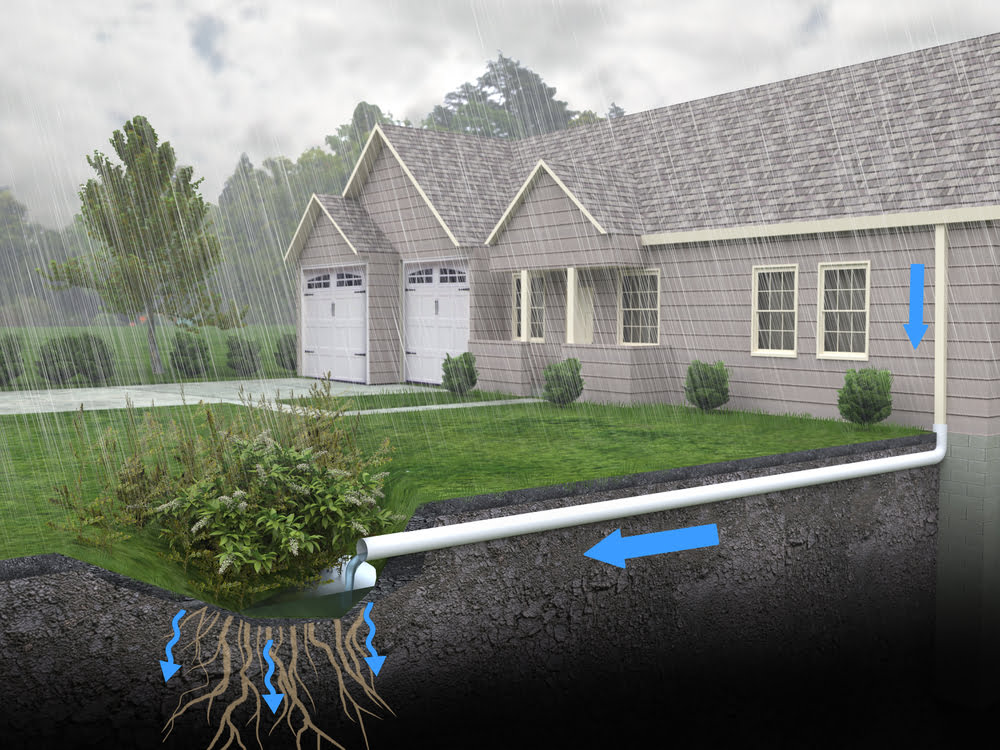
A rain garden is a strategically placed, shallow depression in your yard that collects and filters rainwater runoff from your roof, driveway, or other surfaces. It is planted with native vegetation that helps absorb excess water, reducing erosion and promoting a healthy ecosystem.
Eco-Friendly Solution for Water Management: Rain gardens reduce the impact of stormwater runoff on local waterways by filtering rainwater before it enters the groundwater system.
Enhances Your Property’s Aesthetic: With a variety of native plants and thoughtful design, rain gardens are visually appealing, creating a focal point in your yard.
Supports Local Ecosystems and Wildlife: By planting native species, you support pollinators, birds, and other local wildlife, making your yard a haven for biodiversity.
Rain gardens offer numerous environmental and practical benefits. They reduce water pooling and erosion, help prevent flooding in your yard, and provide a sustainable way to manage rainwater. Plus, they can lower your irrigation needs, helping you conserve water over time.
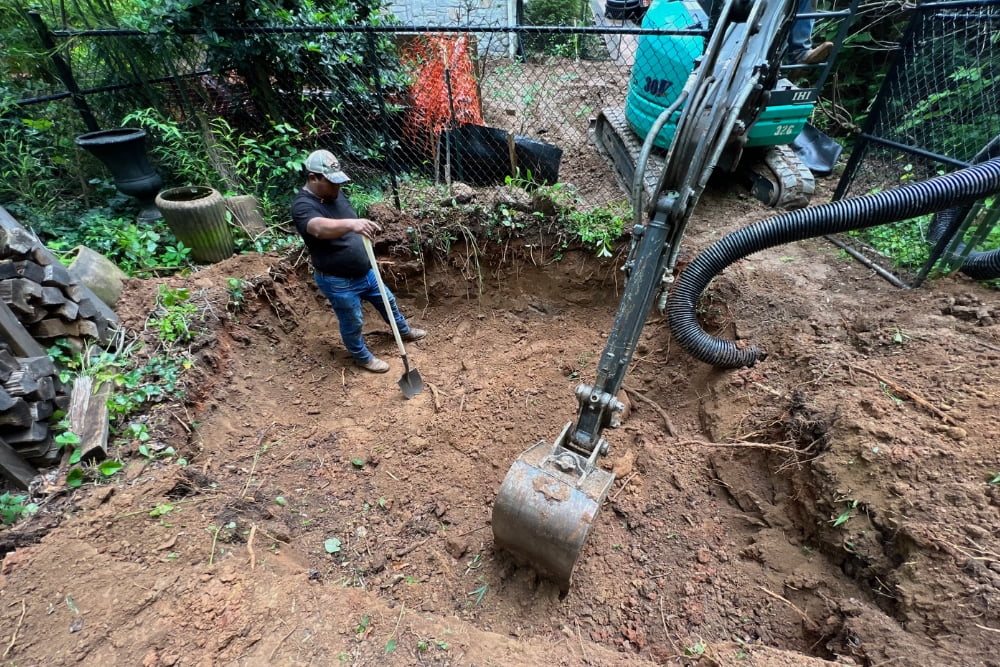
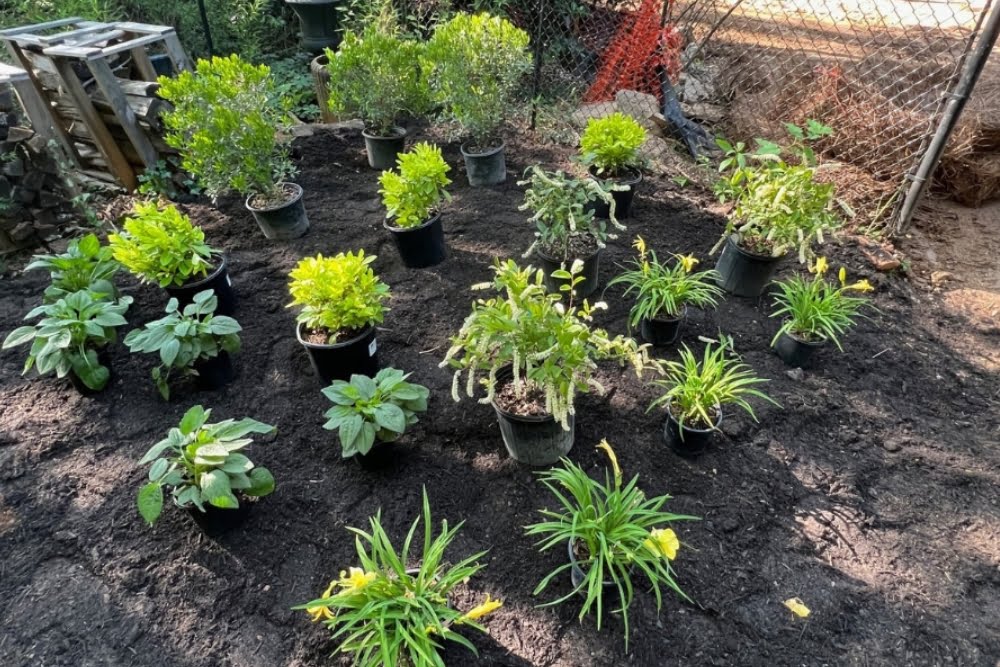
A well-designed rain garden acts as a natural water management system. By capturing and absorbing rainwater, it prevents stormwater from rushing into storm drains and nearby streams, which can cause flooding and pollution.
Rain gardens capture rainwater and allow it to gradually soak into the ground, rather than allowing it to run off quickly. This helps reduce the burden on storm drains and prevents water from pooling in unwanted areas of your yard.
Reducing Erosion and Water Runoff: Rain gardens reduce the amount of water that flows across your property, preventing erosion and keeping your soil in place.
Preventing Flooding and Pooled Water: By absorbing excess rainwater, rain gardens help prevent flooding in low-lying areas and keep your yard dry.
Promoting Groundwater Recharge: The water that soaks into your rain garden replenishes groundwater supplies, supporting the local ecosystem and contributing to healthier landscapes.
Selecting the right plants is crucial to the success of your rain garden. At Glover Landscapes, we specialize in choosing native plants that thrive in both wet and dry conditions, ensuring your rain garden flourishes throughout the year. From flowering perennials to water-loving grasses, we’ll create a garden that is both functional and beautiful.
Every property is unique, and that’s why we offer custom rain garden designs tailored to your landscape’s specific needs. Our experienced team at Glover Landscapes works closely with you to assess your property, taking into account factors like soil type, water flow, and sun exposure to design a rain garden that fits perfectly into your environment.
At Glover Landscapes, we follow a thorough process to ensure your rain garden is installed correctly and designed to last.
Site Assessment: We begin by evaluating your yard’s drainage patterns and identifying the ideal location for your rain garden.
Custom Design: We create a custom plan based on your specific needs, selecting native plants that will thrive in the garden.
Professional Installation: Our team expertly installs your rain garden, ensuring proper depth, grading, and plant placement to maximize water absorption and visual appeal.
From digging the garden bed to planting and mulching, our team handles every step of the installation process with precision. We take care to ensure that your rain garden not only looks beautiful but functions effectively as a natural water management system for years to come.
Ready to create a sustainable and beautiful addition to your yard with a rain garden? Glover Landscapes is here to help you design and install the perfect rain garden for your home in Atlanta, GA. Our experienced team is dedicated to providing high-quality service that brings your vision to life while promoting sustainability.
Call us at (404) 510-6437 or fill out our online contact form to schedule a consultation. Let’s work together to create a rain garden that adds value, beauty, and functionality to your landscape.

plant, rain, water, drainage, garden, roof, soil, rain garden, flood, mulch, chesapeake bay, tree, stormwater, water quality, university of connecticut, lawn, bioretention, community, landscape, management, university, campus, habitat, erosion, root, garden design, wildlife, information, pollution, horticulture, health, shrub, climate, water conservation, chesapeake bay trust, stream, species, connecticut, leaf, seed, basement, downspout, construction, education, sand, driveway, compost, new jersey, perennial, vegetable, pollinator, pest, irrigation, water resources, volunteering, tool, nature, berm, invasive species, environmental, change, stormwater management, gardens, forest, storm drain, rainwater harvesting, drought, native, rain landscaping, fertilizer, butterfly, pdf, groundwater, insect, infrastructure, virginia, mosquito, filtration, manure, green infrastructure, waste, river, pond, infiltration
rain garden installer, rain garden georgia, rain garden plants georgia, sloped backyard drainage ideas, drainage solutions for sloped yard, backyard with slope ideas, what to do with sloped backyard, how to divert water from house on slope, rainwater landscaping services, rain garden installation near me, yard drainage slope installation, installing a rain garden, rainwater garden installation, how to build a rain garden, landscaping ideas for sloped backyard, sloped yard ideas, home rain garden installation, sloped side yard ideas, rain barrel installation near me, rainscape landscaping, glover landscapes, rain garden landscapers near me, rain barrel installation services near me, wetlands landscaping, landscapers near me free estimates, best community landscape maintenance services for rainy season prep, rainfall landscaping, rain garden near me, rainwater harvesting installation near me, rain garden installation, rainforest landscaping, rainwater landscaping, rain garden installation brookfield, rain landscaping, brookfield rain garden installation