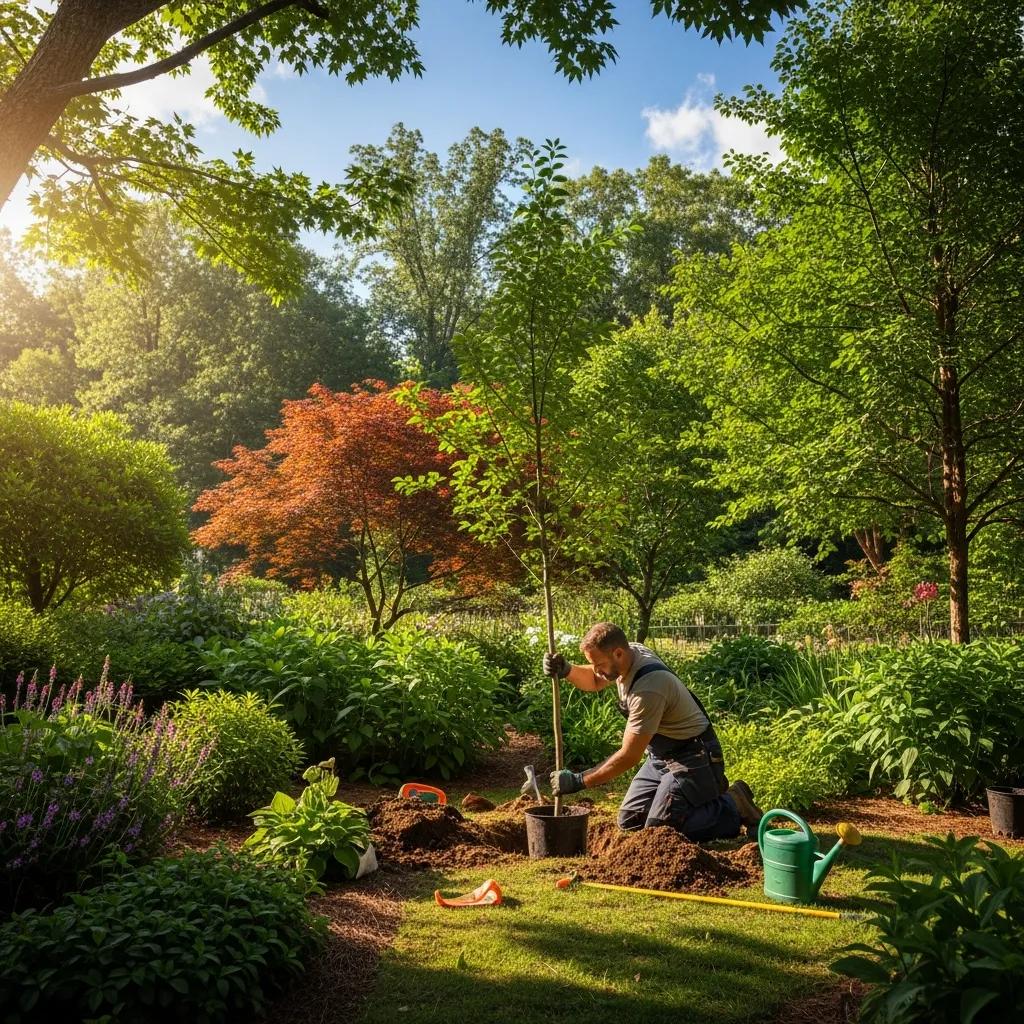
Investing in professional tree & shrub planting services in Atlanta is a strategic decision that ensures the long-term health, beauty, and value of your landscape from the very first day. Expert planting goes beyond simply digging a hole, incorporating critical steps like soil analysis, species selection for Georgia’s climate, proper spacing, and post-planting care to promote strong root establishment and vibrant growth.
In this guide, we’ll explore the key benefits of hiring specialists for your planting project, from avoiding common mistakes that lead to plant loss to creating a tailored, thriving landscape that enhances your property for decades.
Professional Tree & Shrub Planting for Long-Lasting Landscapes
Why Choose Professional Tree & Shrub Planting in Atlanta?
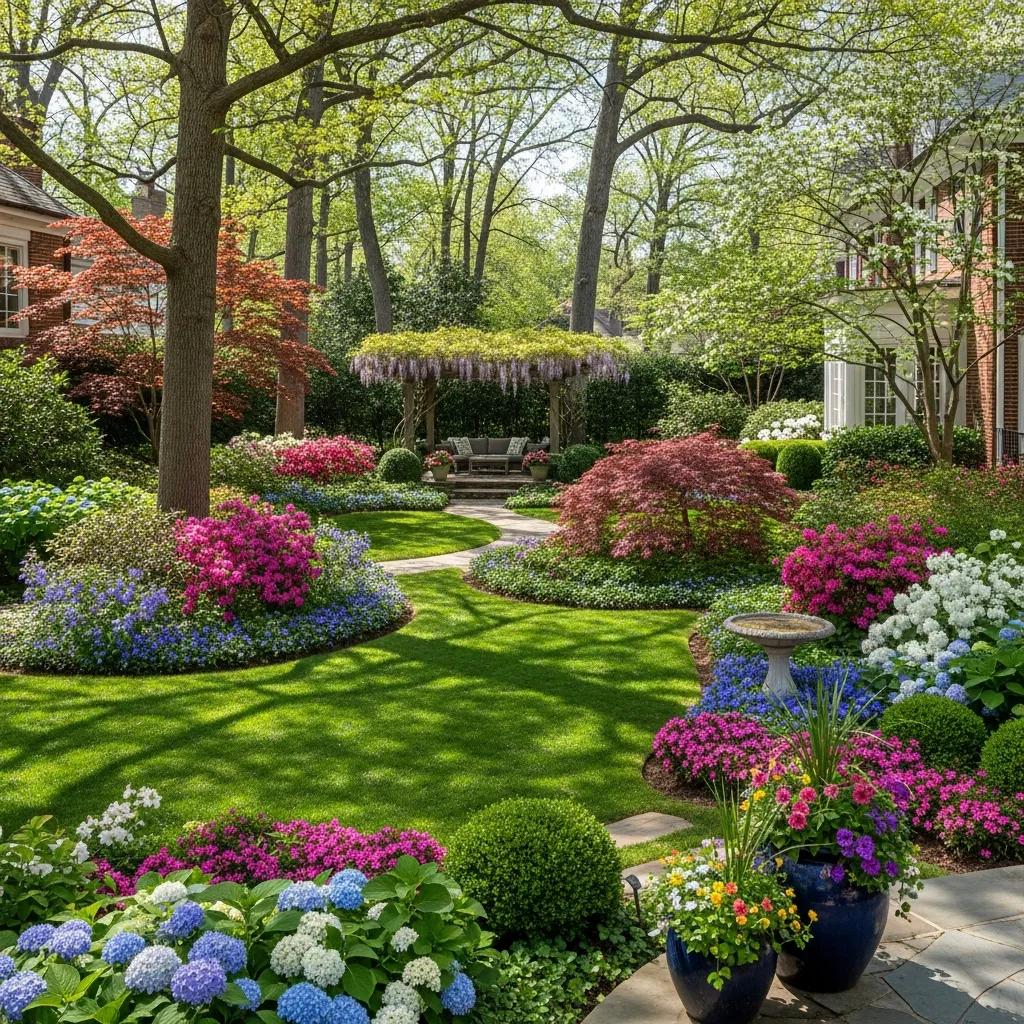
Professional tree and shrub planting can make a noticeable difference in how well your landscape performs over time. Planting is not just digging a hole and dropping in a plant. The depth, soil conditions, drainage, and spacing all affect whether new trees and shrubs establish healthy roots or struggle from the start. For homeowners in Atlanta, where clay soil and hot summers can stress plants quickly, proper installation matters even more. Choosing experienced help often means fewer failures, less replanting, and a landscape that fills in the way you expected.
How Does Expert Planting Enhance Atlanta Landscapes?
The biggest benefit of expert planting is that it creates a plan, not just a collection of plants. Professionals consider sunlight, drainage patterns, and how mature sizes will affect your home and yard. A tree that looks perfect today can become a problem later if it is planted too close to a roofline, a fence, or underground utilities. Shrubs can also become overcrowded fast when spacing is based on how they look in the nursery pot instead of how they grow in real conditions.
Thoughtful placement also improves how the yard feels. Shade trees can reduce heat in outdoor living areas and make the space more usable in warmer months. Shrubs can soften hard edges, add privacy, and define walkways without blocking sightlines. The end result is a landscape that looks intentional and stays balanced as plants mature. If you are looking for tree & shrub planting that improves both appearance and long term performance, proper placement and planting technique make the biggest difference.
What Are The Environmental And Property Value Benefits?
Trees and shrubs do more than make a property look nicer. They also support the local environment. Trees help improve air quality, provide shade that can lower surface temperatures, and create habitat for birds and beneficial insects. Shrubs add structure and shelter at ground level, which can be especially helpful for pollinators and small wildlife. When planting is done correctly, these benefits last for years because the plants are more likely to establish strong roots and remain healthy through seasonal stress.
Tree & shrub planting can also increase curb appeal, which plays a real role in how buyers perceive a home. A landscape with healthy, well placed plantings often makes a property feel more cared for and more finished. While the exact value impact varies by neighborhood and the maturity of the plants, homes with attractive landscaping and established trees are often viewed more favorably than properties with bare or struggling yards.
Professional planting can help protect that investment by reducing common issues that hurt plant health, like poor drainage, shallow planting, root ball problems, or the wrong plant choice for the site. Over time, fewer replacements and fewer problems usually mean better results and less frustration for the homeowner.
What Is the Process for Professional Tree & Shrub Planting?
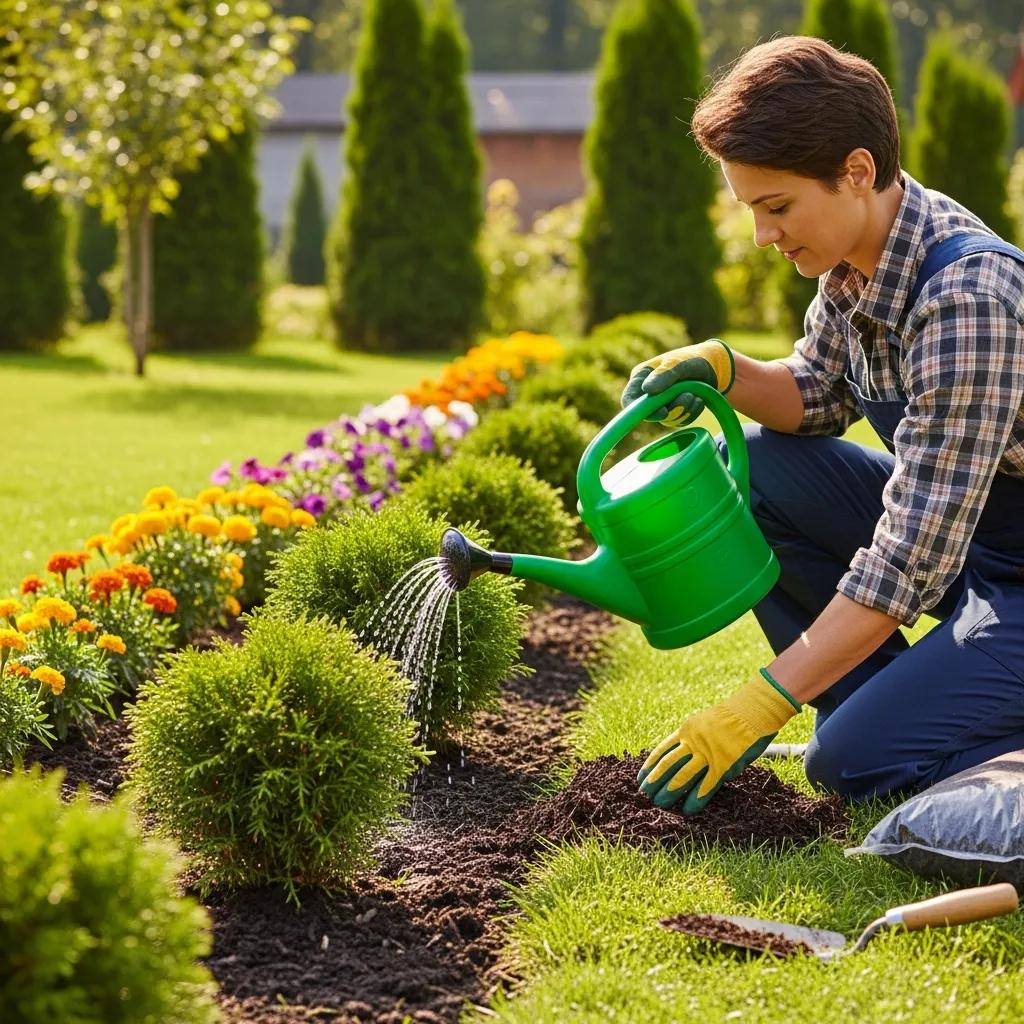
Professional tree & shrub planting is a step by step process designed to help plants establish strong roots and grow well in the conditions they are actually facing. While every property is different, the overall approach stays consistent. The goal is to match the right plant to the right spot, install it correctly, and set it up for a healthy first season. That combination reduces early stress, lowers the chance of failure, and helps the landscape fill in the way you expect.
Most projects start with a simple consultation to understand what you want the space to do. Some homeowners want more shade, more privacy, or a cleaner border around the home. Others want color, seasonal interest, or better structure in a front yard that feels flat. This early conversation also helps clarify practical details, like how much room you have for mature growth, whether there are drainage issues, and how much maintenance you want long term. For tree & shrub planting, these decisions matter because a plant that fits today can become a problem later if it outgrows the space or struggles in the site conditions.
How Do We Assess Your Site And Select Suitable Species?
A good site assessment goes beyond a quick look at the yard. It includes checking sunlight patterns, evaluating soil conditions, and looking at how water moves across the property. In many Atlanta areas, clay soil can hold water longer than expected, which affects root health and can lead to decline if the plant is not suited to those conditions. Other areas may dry out quickly, especially near driveways and reflective surfaces that increase heat.
Professionals use these observations to recommend species that are more likely to thrive. That might mean choosing plants that tolerate moisture for lower spots, or selecting drought tolerant shrubs for sunny areas that bake in summer. It also includes spacing based on mature size, not nursery size, and planning around structures, fences, and overhead growth. Tree & shrub planting works best when the plant choice is based on site reality, not just what looks good in a pot.
What Are The Best Practices For Installation And Post-Planting Care?
Installation details make a major difference in long term performance. Proper planting depth is one of the biggest factors, since planting too deep can stress roots and limit oxygen. Spacing also matters because crowded plants compete for light and water, which can lead to thinning and disease over time. Professionals also focus on setting the plant straight, loosening or correcting root issues, and backfilling in a way that supports root expansion.
After planting, care is what turns a new install into a stable landscape. Watering is the main priority in the first weeks, especially during hot or dry stretches. Mulch helps retain moisture and reduces temperature swings in the soil, but it should be kept off the trunk to avoid rot. A realistic care schedule usually covers watering frequency, what to watch for as plants settle, and when to adjust based on rainfall. With the right start and consistent follow through, tree & shrub planting becomes an upgrade that looks better each season instead of one that needs replacing.
Which Trees & Shrubs Thrive in Atlanta’s Climate?
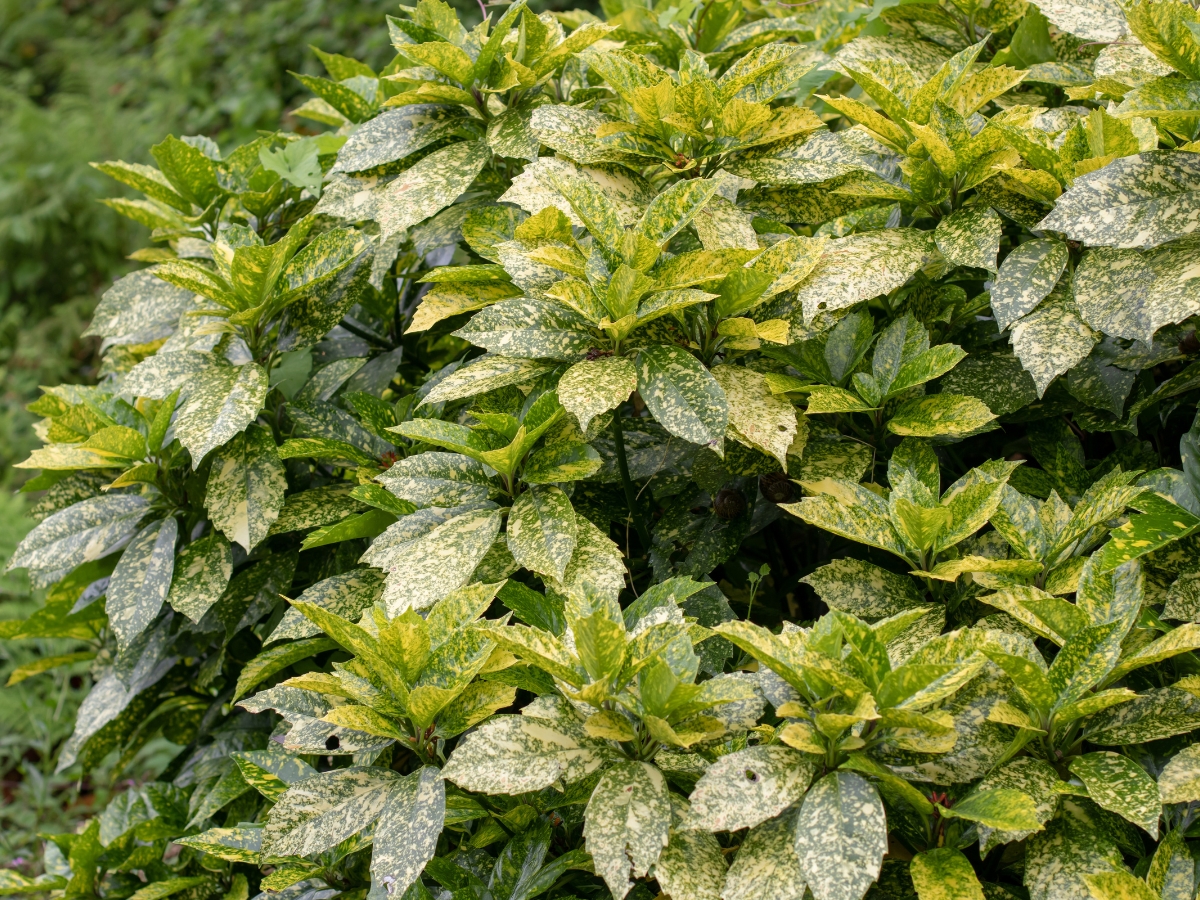
Atlanta’s hot summers, occasional dry stretches, and generally mild winters allow for a wide range of plants, but not every tree or shrub handles the combination of heat, humidity, and clay soil equally well. When you’re planning tree & shrub planting, the easiest way to improve long-term success is to choose species that tolerate local conditions instead of fighting them. Native and well-adapted plants tend to establish faster, need less babysitting, and hold up better through seasonal swings.
A smart approach is to match the plant to the microclimate in your yard. Full sun areas near pavement usually need tougher, heat-tolerant choices. Shadier areas under existing canopy often do best with understory trees and shrubs that naturally grow in filtered light. Drainage matters too. If water lingers after rain, you will want plants that can handle heavier soil rather than species that prefer quick-draining ground.
What Are The Top Native Trees For Atlanta Landscapes?
Eastern redbud is a popular choice because it fits well in many residential yards and brings strong spring color without needing a huge footprint. It typically performs best with morning sun and a bit of afternoon protection, especially during hotter summers. Redbuds also work well as a focal tree near patios or front walkways because the branching structure adds interest even after bloom season ends.
Flowering dogwood is another Atlanta favorite, particularly in yards with partial shade. Dogwoods are known for spring blooms and seasonal interest, but they benefit from thoughtful placement. They usually prefer well-drained soil and do better when they are not baked by harsh afternoon sun. In tree & shrub planting plans, dogwoods often shine as a transition plant between taller canopy trees and lower foundation shrubs.
Southern magnolia offers a more evergreen presence and a classic Southern look. It can be a strong anchor tree where you have room for it to mature, since many varieties grow larger over time. The glossy leaves and large, fragrant flowers make it feel substantial, and it can provide screening when placed along a property line or near the edge of a yard. Choosing the right variety for your space is key so the tree stays proportional to the home.
Which Shrubs Provide Year-Round Color And Privacy?
Azaleas are one of the most recognizable shrubs in Atlanta landscapes, and they do best with morning sun and afternoon shade. They bring bold spring color, but their real value is how well they fill space in beds and soften hard lines around foundations and walkways. With proper spacing and occasional shaping, they can look full and healthy without constant work.
Hollies are a reliable option when privacy or structure is a priority. Many holly varieties stay green year-round, and some produce berries that add winter interest. They are often used for screens along fences or property lines, but they can also be used as individual accents. The main thing is to plan for mature width so the hedge does not become crowded and difficult to maintain.
Boxwoods are a go-to choice for clean, structured greenery. They work well for low hedges, entry borders, and foundation plantings where you want a neat, consistent look. They also respond well to light shaping, which makes them useful for homeowners who want a more formal style. When planning tree & shrub planting, boxwoods are often used to create a steady evergreen base while other plants provide seasonal color and texture.
How Much Does Tree And Shrub Planting Cost In Atlanta?
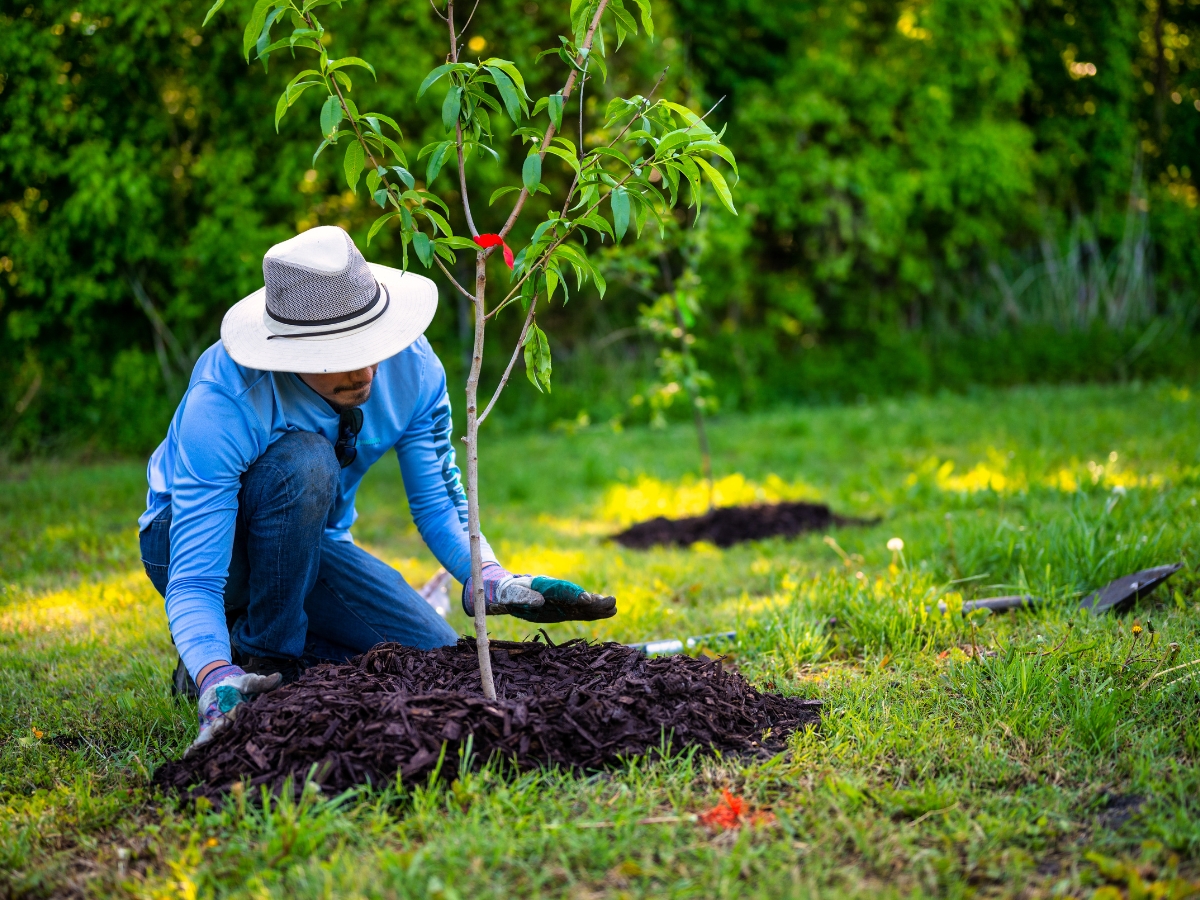
The cost of tree & shrub planting in Atlanta can vary quite a bit because every yard is different. A straightforward install in an open, level area will usually cost less than a project that involves tight access, heavy clay soil, or larger plant material that needs extra labor to move and set. When you’re budgeting, it helps to think of planting costs as a mix of the plant itself plus the time and materials required to install it correctly so it can establish without problems.
In most cases, you will see the biggest price swings based on plant size and site conditions. The species you choose matters too, but it is usually the combination of size, handling, and prep work that drives the total.
What Factors Influence Planting Costs?
Plant size is often the first factor that changes the price. Larger trees typically cost more because they are heavier, harder to transport, and require more labor to position safely in the hole. A small ornamental tree or shrub can often be installed quickly, while a larger tree may require a bigger crew and more time for proper placement, backfilling, and initial watering.
Species selection also plays a role, especially when you’re choosing specialty varieties or plants that are harder to source at local nurseries. Some trees and shrubs are priced higher due to slower growth rates, limited availability, or higher demand in the region. Even within the same category, two similar-looking plants can land in different price ranges depending on how they’re grown and how mature they are at purchase.
Site conditions are another major cost driver for tree & shrub planting. Atlanta yards often include dense clay, compacted soil, or areas where drainage is inconsistent. If the planting area needs soil improvement, grading, or root removal, that prep work can increase labor time. Access matters too. If crews have to carry materials through narrow gates, work around hardscaping, or plant on slopes, the job can take longer and require additional effort.
What Does A Typical Cost Range Look Like?
While exact pricing depends on the details of your project, many homeowners see per-plant installation costs fall into a wide range. Smaller shrubs and smaller trees can be on the lower end, while larger trees, premium species, or challenging sites can land higher. As a loose reference point, larger trees are often priced somewhere around $150 to $1,000, depending on size and handling needs. Certain species may add $50 to $300 to the plant cost based on availability. Site-related labor, such as difficult digging conditions or limited access, can add roughly $100 to $50,0 depending on the work required.
These are not fixed rates, but they reflect the types of line items that typically shape the final number.
How Can You Get A Customized Estimate From Glover Landscapes?
The most reliable way to price tree & shrub planting is to get an on-site assessment, since a quick look at your yard can reveal factors that are hard to estimate from photos alone. A consultation with Glover Landscapes typically includes reviewing the planting locations, discussing your goals, and identifying any site challenges that could affect installation. From there, you can expect a clear estimate that breaks down what is being planted and what prep or installation work is included, so you can compare options and make adjustments that fit your budget without guessing.n impact the overall cost of tree & shrub planting, helping you plan your landscaping budget effectively.
Elevate Your Outdoor Spaces with Expert Tree & Shrub Planting
Professional tree & shrub planting is an investment in the long-term beauty, health, and value of your Atlanta property. From selecting the right native species and ensuring proper placement to providing essential aftercare, expert installation gives your landscape the best possible start for a thriving future. For planting services that combine horticultural knowledge with skilled craftsmanship, trust the landscaping team at Glover Landscapes. Ready to grow a legacy? Call (404) 510-6437 or visit our website for a free estimate on your landscaping project. Let’s cultivate an outdoor space that flourishes for years to come.