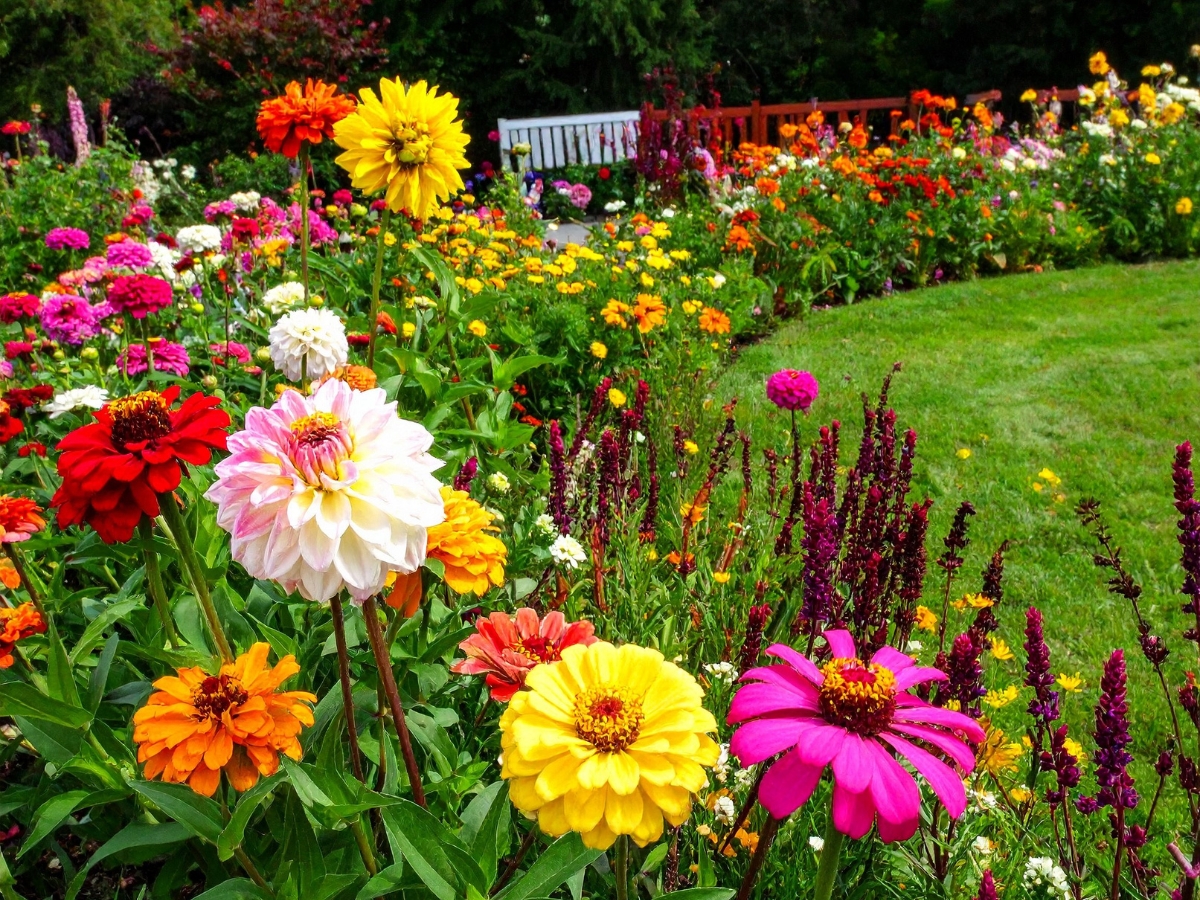
Seasonal color can transform an ordinary landscape into something vibrant and memorable. In Atlanta’s climate, where mild winters and long growing seasons create unique planting opportunities, thoughtful color planning makes a noticeable impact throughout the year. Seasonal color design ideas for Atlanta focus on pairing plants that thrive locally while creating layered interest from spring blooms to rich fall tones.
Choosing the right combinations ensures your beds, borders, and entryways stay visually appealing beyond just one season. Strategic rotation, texture contrast, and coordinated palettes can elevate curb appeal without overwhelming your space.
Whether you want bold, eye-catching displays or subtle, elegant accents, incorporating seasonal color design ideas for Atlanta allows your landscape to evolve beautifully with the calendar while maintaining a cohesive and polished look year-round.
Seasonal Color Planting Tips That Thrive
What Are The Best Plants For Seasonal Color In Atlanta Gardens?
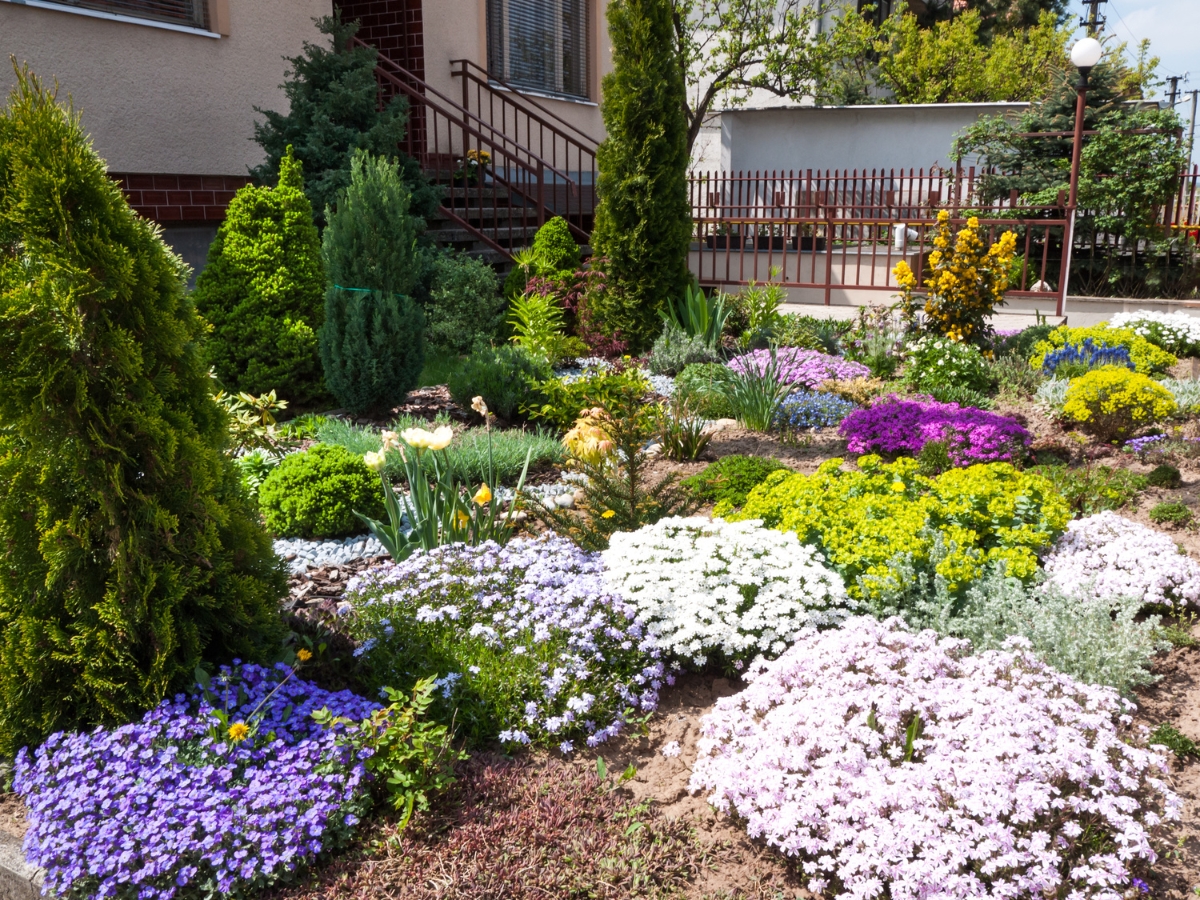
Atlanta’s climate makes it possible to build a garden that looks alive in every season, but the key is picking plants that can handle heat, humidity, and the occasional cold snap without constant fuss.
If you want reliable seasonal color, aim for a mix of hardy perennials, shrubs with berries or foliage interest, and a few seasonal flowers you can rotate in when you want a stronger pop. This approach keeps the yard looking intentional year-round instead of having one short bloom window followed by months of green.
Plant choice matters even more now because weather patterns can feel less predictable from year to year. Hotter stretches, heavier rainfall, and quick temperature swings all affect bloom timing and plant stress. A climate-adaptive mindset does not have to be complicated.
It simply means choosing plants that are proven performers in the region, placing them where they naturally thrive, and building variety into the landscape so one rough season does not wipe out your color plan. When you do that, seasonal color becomes easier to maintain and more consistent across the year.
Another benefit of choosing the right plants is that the garden can look colorful even when flowers are not the main feature. Berries, textured foliage, and evergreen structure all contribute to seasonal color, especially in fall and winter when blooms are limited. In Atlanta gardens, the most successful landscapes usually combine those elements rather than relying only on annual flowers.
Which Native Plants Thrive In Atlanta’s Climate For Year-Round Color?
Native plants are a smart foundation for seasonal color because they are already adapted to local conditions. They tend to handle Atlanta heat better, require less watering once established, and support birds and pollinators that make the garden feel active and healthy. They also fit well into a landscape that aims for strong color without constant replanting.
Purple coneflower is a dependable summer bloomer that brings bold color and holds up well in sunny areas. It also attracts pollinators and can naturalize over time, which helps the garden feel fuller each year.
Black-eyed Susan is another reliable option, often blooming from summer into fall with bright, cheerful yellow. Both plants pair well with ornamental grasses and other perennials, creating a layered look that does not depend on one plant carrying the whole display.
For fall interest, American beautyberry is hard to beat. Its purple berries stand out when many other plants are fading, and it adds a strong seasonal color element that lasts beyond bloom season. Beautyberry also works well near woodland edges or mixed shrub borders, especially if you want the landscape to look good from the street as well as from the backyard.
Native options like these are a practical way to get color that feels natural to the region. They also make it easier to maintain a garden through heat and humidity, which is important for long-term success in Atlanta.
How To Select Seasonal Flowers For Spring, Summer, Fall, And Winter?
Seasonal flowers are where you can add personality and stronger bursts of color, but it helps to choose them based on how your yard actually behaves. Pay attention to sun exposure, soil drainage, and how quickly areas dry out after rain. Once you know those basics, picking plants for seasonal color gets much easier, and the results are more consistent.
In spring, daffodils are a dependable choice because they return each year and handle Atlanta’s conditions well. They bring early color when the yard is still waking up, and they work nicely along walkways or in beds where you want a clear seasonal shift. Tulips can be trickier in warmer climates because they often need more consistent cold conditions, but some gardeners still grow them successfully with careful planning and placement.
For summer, flowers like zinnias and marigolds provide strong, steady color through the hottest months. They are popular because they bloom reliably, fill space quickly, and add brightness without requiring specialized care. They also work well in containers if you want seasonal color near patios or entrances, where it is easy to enjoy up close.
In the fall, chrysanthemums and asters help extend the bloom season when many summer flowers slow down. They are an easy way to refresh beds and keep the yard looking lively as temperatures cool. Pairing fall flowers with shrubs that have berries or changing foliage can make the landscape feel more layered and less dependent on blooms alone.
Winter is when many Atlanta gardens lose momentum, but you can still keep seasonal color and interest going. Hellebores are a strong option because they bloom when little else does, and their flowers feel like a welcome surprise. Winter jasmine can also add color and brightness, especially in spots where you want winter interest near walkways or borders.
The best strategy is variety. When you mix natives, perennials, shrubs, and seasonal flowers, you create a landscape that shifts naturally through the year and keeps seasonal color visible in more than one way.
How To Design Flower Beds For Optimal Seasonal Color In Atlanta
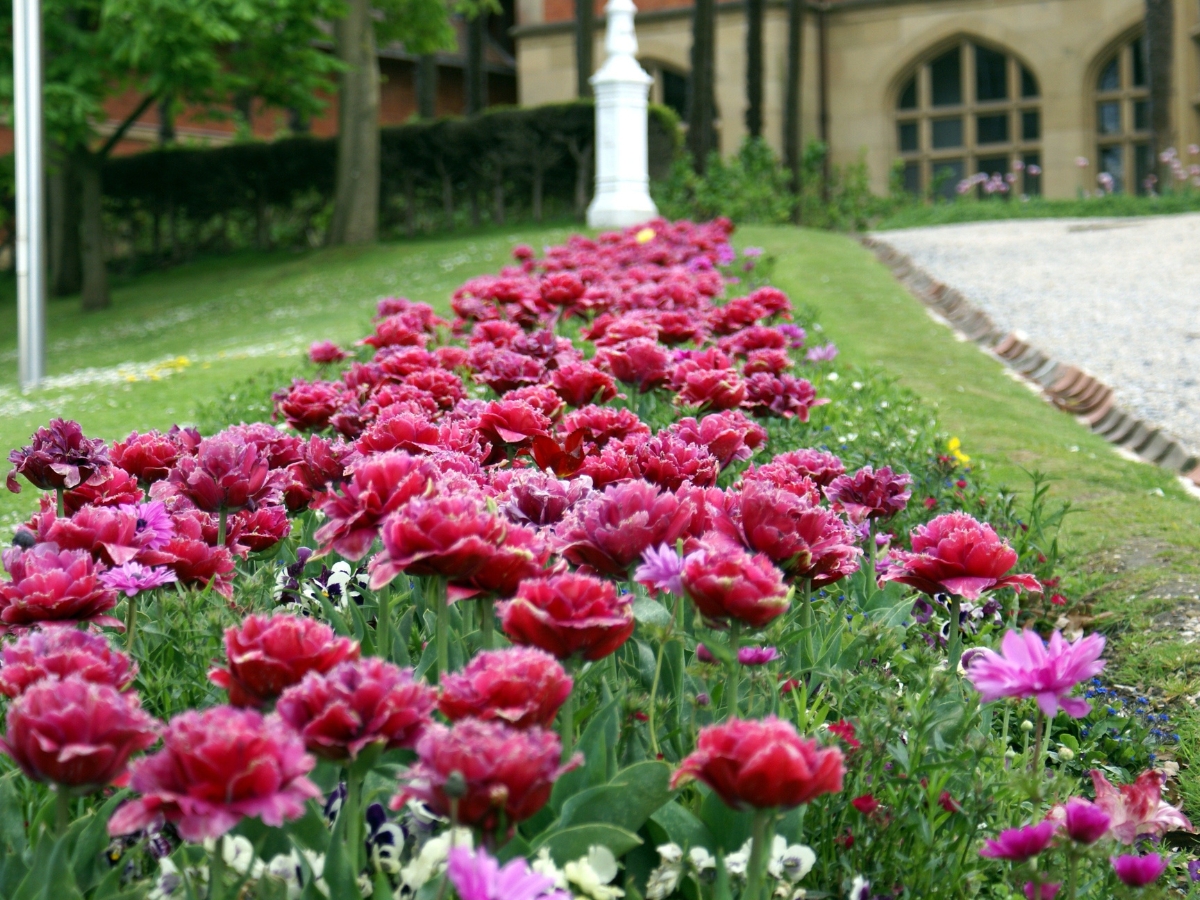
Designing flower beds for seasonal color in Atlanta is easier when you plan for how the bed will look across the whole year, not just during one peak bloom window. Atlanta’s long growing season gives you a lot of options, but heat, humidity, and strong summer sun can also wear out beds that rely too heavily on delicate annuals. A balanced flower bed uses structure, repeated plant groupings, and a mix of bloom times so something is always carrying the scene, even when the weather shifts.
A good place to start is by deciding what you want the bed to do. Some beds are meant to be bold from the street, while others are designed for patios and walkways where you see details up close. Once you know the viewing angle, you can plan heights, shapes, and color placement more intentionally.
This matters for seasonal color because the same bed can look great in spring and then fall flat in late summer if there is no plan for what takes over once early bloomers fade. In Atlanta, strong bed design is often what keeps seasonal color consistent, even when specific flowers come and go.
It also helps to plan for maintenance. Beds that are crammed with too many different plants can look messy quickly and become harder to water and weed. A simpler layout with repeated groups usually looks cleaner and is easier to maintain, while still giving you plenty of seasonal color through the year.
What Are Key Principles Of Effective Flower Bed Landscaping?
The first principle is choosing a mix of plants with different bloom seasons and different types of interest. Perennials provide the backbone because they return each year and fill space reliably once established. Annuals can add a brighter pop of seasonal color, but they work best as accents rather than the entire plan.
Shrubs, ornamental grasses, and evergreen plants also play an important role because they keep the bed from looking empty when flowers are between cycles. If you want a bed that looks good in all seasons, you need at least a few plants that contribute through foliage, texture, or berries, not only blooms.
Layering is another key principle, and it is more than just placing tall plants in the back and short plants in front. Layering is about shaping the bed, so it has depth and reads well from where people view it.
Taller plants and shrubs provide a backdrop, medium-height perennials fill the middle, and low growers or edging plants create a clean front line. In Atlanta, layering also helps with heat because taller plants can provide some afternoon shade to more sensitive flowers, making the bed more resilient during hot stretches.
Repetition is what makes a flower bed feel designed instead of random. Rather than planting one of everything, repeat the same few plants in small clusters across the bed. This creates rhythm, makes the layout feel cohesive, and keeps seasonal color from looking scattered. A bed with repeated groupings tends to look fuller and more polished, even when only part of it is blooming.
How To Incorporate Color Schemes That Complement Atlanta’s Environment?
A smart color scheme supports seasonal color without looking chaotic. Atlanta’s landscapes already have a strong green backdrop for much of the year, so you can use that to your advantage. Rich greens and evergreen foliage help bold blooms stand out, while softer foliage tones can make bright colors feel less intense in full sun.
Warm color schemes, like reds, oranges, and yellows, tend to read as energetic and welcoming. They work well near entrances, driveways, and areas where you want the garden to feel lively.
In Atlanta, warm tones can also pair nicely with fall color, since many autumn landscapes naturally shift toward gold and rust shades. If you lean warm, consider balancing those colors with deep greens or touches of white so the bed still feels clean and intentional.
Cool colors, like blues and purples, can feel calmer and more classic, especially in shaded areas or near outdoor seating spaces. They also contrast well against warm-toned brick, stone, and wood that are common in Atlanta homes. Cool schemes can be especially effective in summer because they visually “cool down” a space that might feel hot and bright.
Neutral colors are the glue that keeps everything balanced. White blooms, soft greens, and even silvery foliage can break up strong color blocks and create breathing room. Neutrals also help seasonal color transition more smoothly from spring to summer to fall. Instead of the bed looking like it changes personalities every few months, the neutral elements keep it feeling cohesive while the accent colors rotate.
When you design with structure, repetition, and a clear palette, seasonal color becomes more dependable. You are not relying on one plant or one season to carry the entire bed. Instead, you are building a layout that looks intentional year-round and still gives you those standout moments when the garden is in full bloom.
What Is The Seasonal Planting Guide For Atlanta Gardens?
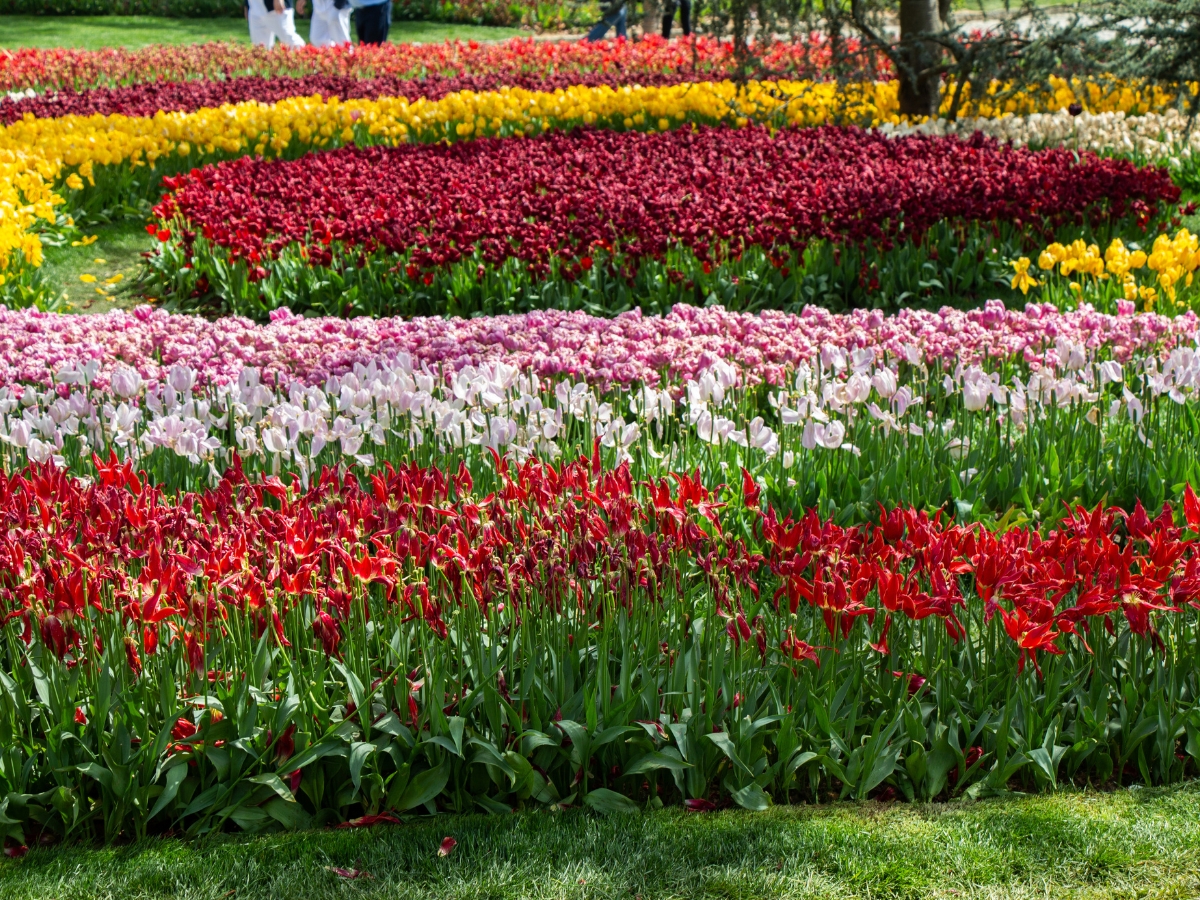
A seasonal planting guide helps you get better results with less effort, especially in Atlanta, where warm spells can arrive early, and summer heat can stress new plants fast.
If you want steady seasonal color, timing is just as important as plant choice. Plant too early, and a late cold snap can set flowers back. Plant too late, and young roots struggle in the heat before they are established.
A simple calendar-based approach keeps you planting in windows that match Atlanta’s typical conditions, while still leaving room to adjust for what your yard is doing that year.
For most home gardens, it helps to think in four planting seasons. Late winter and early spring are best for cool-season color and for prepping beds while temperatures are still mild. Mid to late spring is when tender annuals and warm-season flowers can go in safely.
Early summer planting works if you choose heat-tolerant varieties and keep watering consistently during establishment. Fall is another prime window, since warm soil and cooler air make it easier for plants to root in without stress. This rhythm is what keeps seasonal color showing up in waves instead of all at once.
When Should You Plant Seasonal Flowers For Best Bloom In Atlanta?
Spring planting in Atlanta often starts earlier than people expect, but it depends on what you are planting. Cool-season flowers can usually be planted in late February through early March, when daytime temperatures are trending upward but nights are still cool.
These are the plants that can handle crisp mornings and give you early color when the rest of the yard still looks sleepy. Tender annuals, on the other hand, are better planted after the last frost risk has mostly passed. For many gardeners, that means planting around mid-April, especially if you are putting in warm-season favorites that dislike cold soil.
Summer planting is most successful when it happens before the hottest stretch settles in. Late May through early June can be a workable window for heat-tolerant flowers, but success depends on water and bed preparation.
New plantings need consistent moisture while roots establish, and Atlanta heat can dry beds quickly. If you plant in early summer, prioritize varieties that are known to hold up in heat and choose planting days when you can follow up with steady watering.
Fall is one of the best seasons for planting in Atlanta, particularly if your goal is long-lasting seasonal color. Late September through early October is a strong window for fall flowers and cool-season plants.
The soil is still warm enough to encourage root growth, and the cooler air reduces stress on new plantings. This is also a good time to refresh beds that struggled in summer, since fall plantings often look better longer and require less babysitting than midsummer installs.
Winter-blooming plants usually do best when planted earlier, even though they flower later. If you want winter interest like hellebores, planting in fall gives them time to settle in so they can perform when the weather cools. In Atlanta, “winter planting” often means using winter as a quieter season for maintenance and planning, while fall is when you set up the plants that will carry color into the colder months.
How To Maintain Seasonal Flower Beds Throughout The Year?
Maintenance is what keeps seasonal color consistent instead of patchy. Watering is the first priority, especially right after planting. New flowers need regular moisture while they establish, but most beds do better with deep watering that reaches roots rather than frequent light sprinkling that encourages shallow growth.
During dry spells, keeping moisture steady helps plants bloom longer and reduces stress that can lead to fading or wilting.
Weeding is another habit that pays off quickly. Weeds compete for water and nutrients, and they also make a bed look messy even when the flowers are doing well. If you stay on top of weeds early, the bed stays cleaner, and plants can fill in more naturally. A fresh layer of mulch can also help by holding moisture and reducing weed growth, while giving beds a finished look that supports seasonal color visually.
Fertilizing should be simple and measured. A balanced fertilizer can support healthy growth, but overfeeding can lead to lots of leaves with fewer blooms, especially in some flowering annuals.
Many Atlanta gardeners get better results by improving soil with compost, then using light feeding during the growing season as needed. Deadheading, which means removing spent blooms, can also extend flowering for many plants and keep beds looking tidy without a full replant.
If you follow planting windows and keep up with basic care, your garden becomes easier to manage each season. The result is seasonal color that shows up reliably in spring, holds steady through summer, refreshes in fall, and still has interest when winter arrives.
How Can Professional Landscape Design Enhance Seasonal Color In Atlanta?
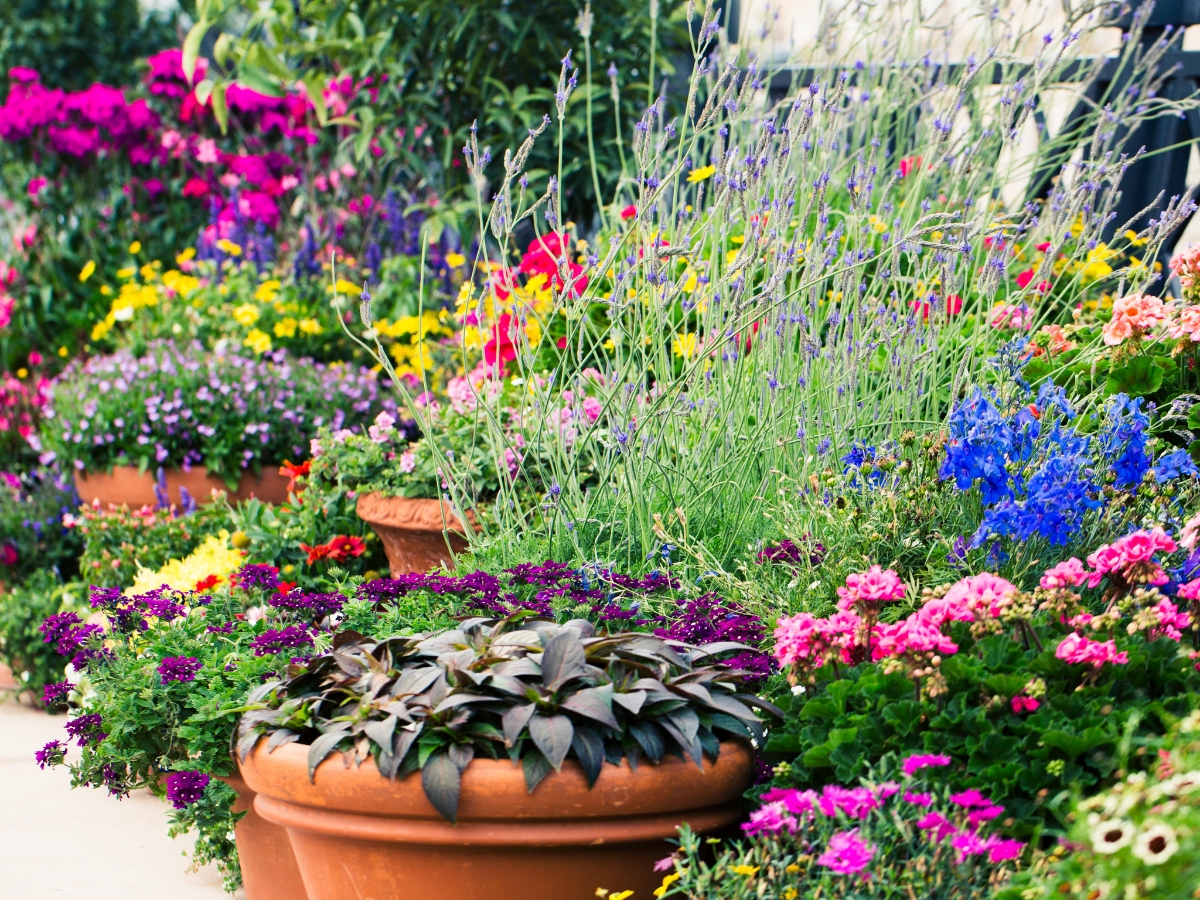
Seasonal color is easiest to maintain when it is designed into the landscape from the start. Many Atlanta yards look great for a short window, then fade when heat, humidity, or shade patterns change.
Professional landscape design helps prevent that by creating a plan that accounts for bloom timing, sun exposure, soil conditions, and how the yard is actually used. Instead of relying on a few seasonal flower swaps, the design builds year-round interest through layered plantings, repeating color themes, and a mix of flowers, foliage, and structure.
A well-designed landscape also reduces the “patchwork” look that happens when plants are added one at a time without a layout. With seasonal color, cohesion matters. A designer can plan where color should be concentrated, where it should be subtle, and how one season should transition into the next.
That might mean spring bulbs that give way to summer perennials, shrubs that carry fall berries, and evergreens or winter bloomers that prevent the yard from looking empty in colder months. In Atlanta’s climate, this kind of planning can be the difference between a yard that is always in progress and a yard that feels intentionally finished.
Another advantage is balance. Too much bright color everywhere can feel busy, while too little can make the landscape feel flat. Professional planning typically includes a mix of focal points and calm zones, which helps seasonal color stand out without overwhelming the space.
What Benefits Do Customized Seasonal Garden Designs Offer Homeowners?
The most immediate benefit is plant selection that matches your specific conditions. Atlanta neighborhoods can vary in shade, drainage, and soil composition, and those differences affect what thrives.
A customized plan considers how much sun each part of the yard receives, how water moves after rain, and which areas dry out quickly in summer. That allows for plant choices that perform well instead of struggling through the season. When plants are placed correctly, they bloom longer, require less replacement, and provide more consistent seasonal color.
Curb appeal is another major benefit, especially if your front yard currently looks good only during one season. A design that includes layered plantings and repeated groupings can make the property feel more polished year-round. That improved look is not only about flowers.
It can come from foliage color, textures, and the structure of shrubs and small trees that keep the landscape looking full even when blooms slow down. A cohesive landscape can also make the home itself look better, since plantings frame walkways, soften hard edges, and highlight entrances.
A good design can also reduce long-term maintenance. That might sound counterintuitive, but seasonal color does not have to mean constant replanting.
Professionals often lean on native or well-adapted plants that handle Atlanta heat more easily, use mulch and bed lines to reduce weeds, and choose plant groupings that are easier to water efficiently. When the design is practical, you spend less time fighting the yard and more time enjoying it.
Sustainability fits into this as well. Using region-appropriate plants usually means less irrigation, fewer inputs, and fewer plants that fail after one tough season. Over time, that approach supports seasonal color that is dependable, not fragile.
How To Get Started With Seasonal Color Planning?
The first step is getting clear on your priorities. Think about when you want the biggest impact. Some homeowners want spring color at the front entry, while others care more about summer performance or fall interest.
It also helps to identify your problem areas, like beds that bake in afternoon sun, shady spots that never bloom well, or sections of the yard that stay soggy after rain. These details guide plant selection and placement.
Next, gather a few reference points about your style. You do not need a complicated mood board, but it helps to know whether you prefer bold color, softer tones, or a more natural look.
Professionals can translate those preferences into a palette that works in Atlanta and remains cohesive across seasons. They can also help you decide where seasonal color should be concentrated, such as around entrances, along walkways, or near outdoor living spaces where you spend time.
From there, a customized plan typically lays out plant choices, bed shapes, and a timeline for what goes in when. That plan can be installed all at once or phased in over time, which is helpful if you want to spread out the work.
The benefit of starting with a plan is that every new planting supports the same long-term goal: seasonal color that looks intentional, performs well in Atlanta conditions, and stays attractive across the year.
What Are Sustainable And Trending Practices In Atlanta Seasonal Landscaping?
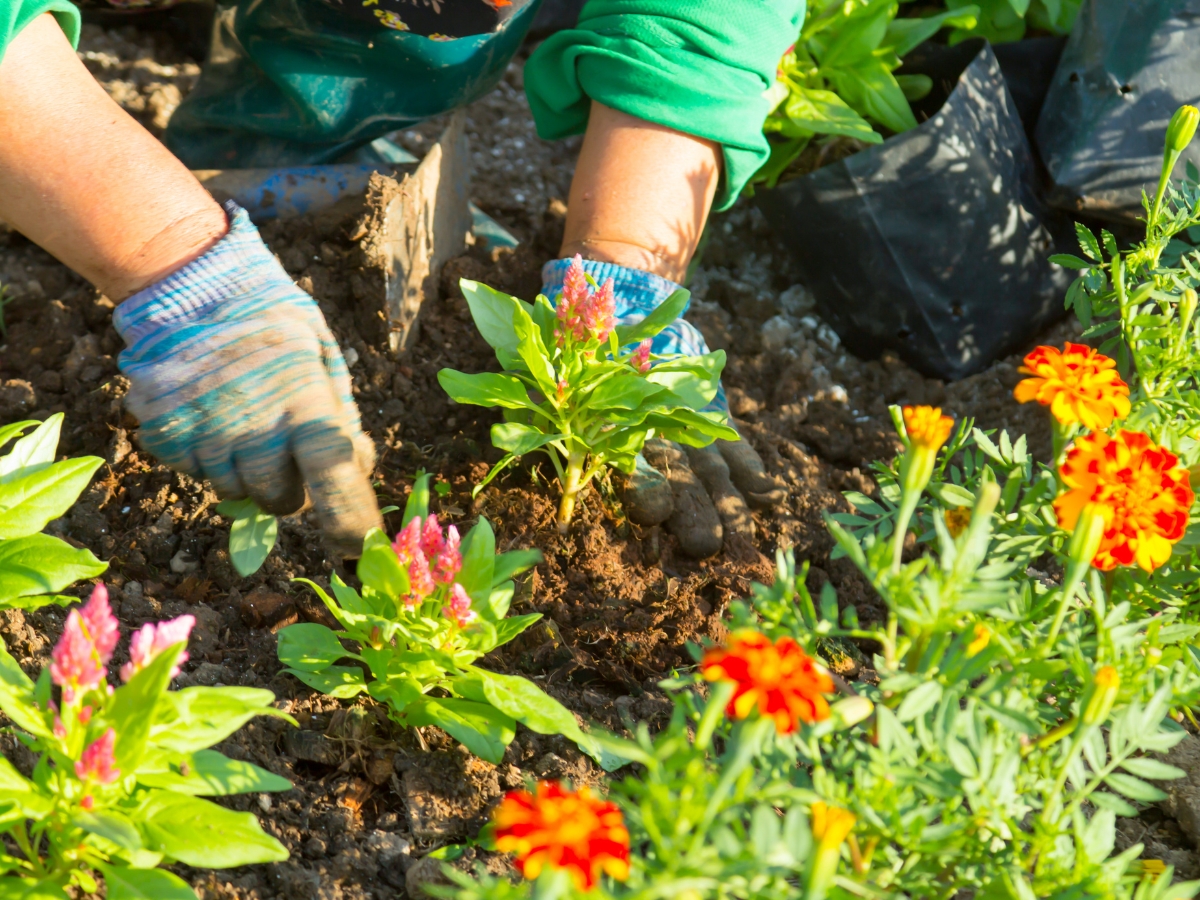
Sustainable landscaping has become a bigger focus in Atlanta, and it is easy to see why. Hot summers, periods of heavy rain, and changing weather patterns can make traditional, high-maintenance yards harder to keep looking good.
A more sustainable approach reduces water use, improves soil health, and creates landscapes that hold up better over time. It also supports seasonal color in a way that feels more consistent, because the plants you choose are better matched to local conditions.
Another reason sustainability matters is practicality. Many homeowners want gardens that look attractive without constant replanting or high upkeep. By using plants that naturally thrive in the region and designing beds with long-term performance in mind, you can get seasonal color that lasts longer and requires fewer replacements. Instead of fighting the climate, the landscape works with it.
A sustainable plan does not mean the yard has to look wild or overly natural. It can still be clean, structured, and visually polished. The difference is that the design relies on proven performers, smarter water management, and planting strategies that support year-round interest.
How Are Native Plants And Sustainable Methods Shaping Atlanta Gardens?
Native plants are shaping Atlanta landscapes because they fit the climate and typically need less intervention once established. They are adapted to local rainfall patterns and temperature swings, which makes them a reliable foundation for seasonal color.
Native perennials and shrubs can provide blooms, berries, and foliage interest without the constant watering and replacement cycle that some non-native annual-heavy beds require.
Sustainable methods are also becoming more common because they address real yard challenges. Rain gardens, for example, help manage runoff by directing water into planted areas designed to absorb it.
This can be especially helpful in yards where water pools after storms or where downspouts concentrate flow in one spot. By planting moisture-tolerant species in these areas, homeowners can turn a drainage problem into a functional planting feature that still contributes to seasonal color.
Xeriscaping is another approach that is gaining traction, but it does not have to mean a desert-style yard. In Atlanta, it usually means using drought-tolerant plants, grouping plants with similar water needs, and improving soil so it holds moisture more effectively.
Mulching and choosing the right plant density can also reduce evaporation and limit weeds, which lowers maintenance and supports healthier growth. Over time, these strategies make seasonal color more dependable because plants are less stressed and more likely to bloom consistently.
Sustainable landscaping also benefits the broader environment by supporting urban ecosystems. Practices that reduce chemical inputs, improve habitat, and conserve water help create healthier residential landscapes that provide ecosystem services like pollinator support and better stormwater management.
What Recent Landscaping Trends Should Atlanta Gardeners Consider?
One trend that continues to grow is blending ornamental design with edible planting. Edible gardens are no longer limited to a separate vegetable patch tucked in the back. More homeowners are integrating herbs, fruiting shrubs, and compact vegetable varieties into beds alongside flowers.
Done well, this approach adds texture and interest while also making the landscape more functional. It can also support seasonal color through flowering herbs, fruiting plants, and foliage changes across the year.
Pollinator-friendly landscaping is another major trend, and it pairs naturally with seasonal color planning. When you choose plants that attract bees, butterflies, and other beneficial insects, the garden becomes more active and resilient.
Pollinator-focused planting often includes a mix of bloom times so there is something flowering in different seasons, which aligns well with the goal of maintaining seasonal color from spring into fall.
Low-maintenance design is also shaping how people plan their yards. Instead of packing beds with plants that require constant trimming and replacement, many homeowners are choosing simpler layouts with repeated plant groupings, tougher perennials, and shrubs that provide structure year-round.
This approach tends to look cleaner and more intentional, and it is easier to maintain. It also supports seasonal color by creating a stable foundation where accent plantings can rotate without the whole bed needing to be redone.
Water features can still fit into modern landscaping trends, but the focus has shifted toward practicality and easier upkeep. Smaller, well-placed features that do not require intensive maintenance are more appealing than complicated setups. When combined with sustainable planting, water features can add interest without becoming a burden, especially if the surrounding plant choices help manage leaf litter and runoff.
Overall, the biggest trend in Atlanta seasonal landscaping is building gardens that perform well in real conditions. Sustainable choices, native plants, and thoughtful design make seasonal color easier to achieve and easier to maintain, while still giving homeowners the polished look they want.
Conclusion
Seasonal color design transforms your Atlanta landscape into a dynamic, ever-changing canvas that delights throughout the year. By thoughtfully selecting plants that peak in different seasons—from vibrant spring azaleas to fiery fall maples—you create a property that feels alive and welcoming in every month.
For expert design and installation of stunning seasonal color displays, partner with Glover Landscapes. Ready to experience year-round beauty at your home with our top landscaping services? Call (404) 510-6437 or visit our website for a free estimate on your landscaping project. Let’s paint your property with the colors of every season.