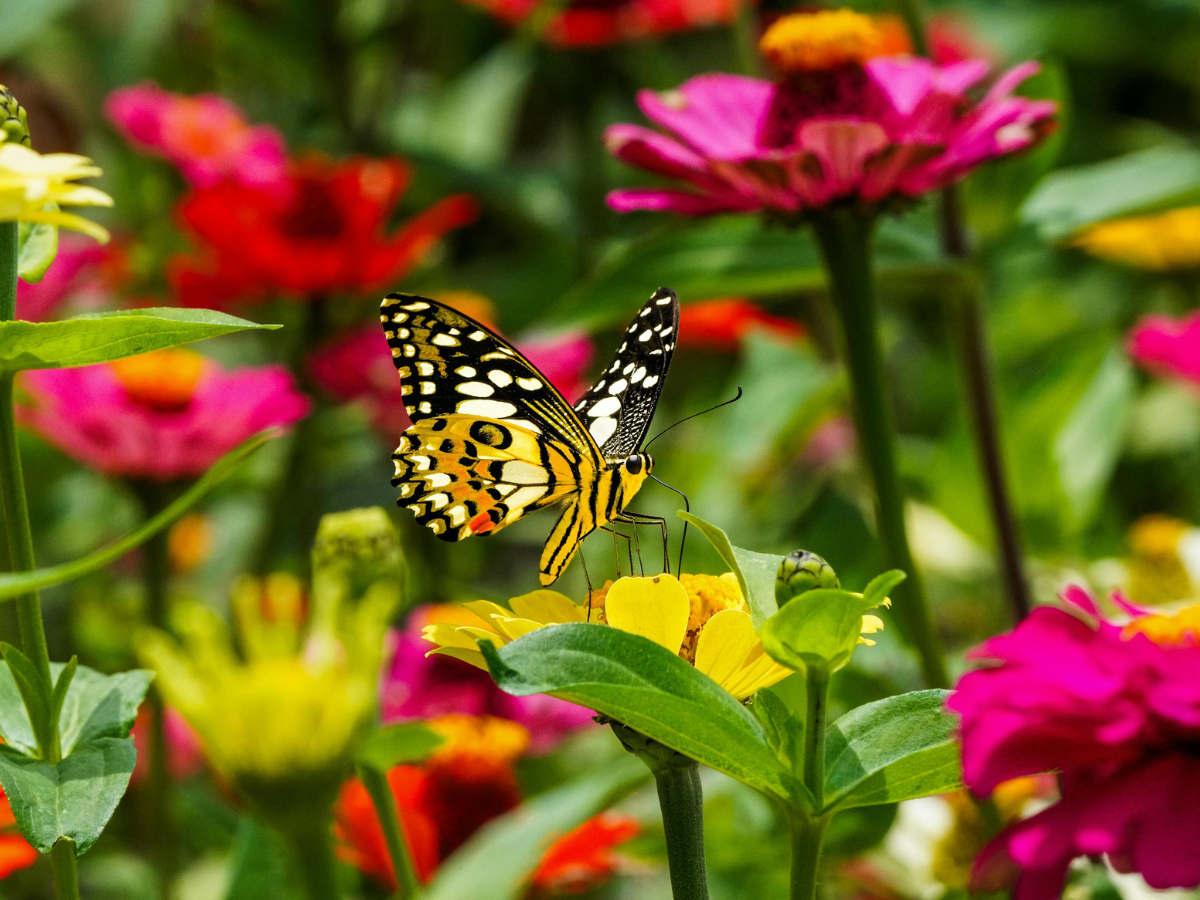
A garden comes to life when it starts to move. The flutter of butterflies and the presence of birds add color, energy, and a natural rhythm that turns any outdoor space into something more dynamic. Learning how to attract birds and butterflies to your garden is about creating the right conditions for them to visit, feed, and return.
It’s not just about planting flowers. The types of plants you choose, the availability of water, and the presence of shelter all influence whether wildlife feels welcome. Native plants, nectar sources, and safe resting areas can make a noticeable difference in how active your garden becomes.
With a few intentional changes, your garden can become a space that can attract wildlife and supports local wildlife while offering a more vibrant and engaging outdoor environment.
How to Attract Wildlife to Your Backyard Naturally
Native Plants That Help Attract Wildlife To Your Garden
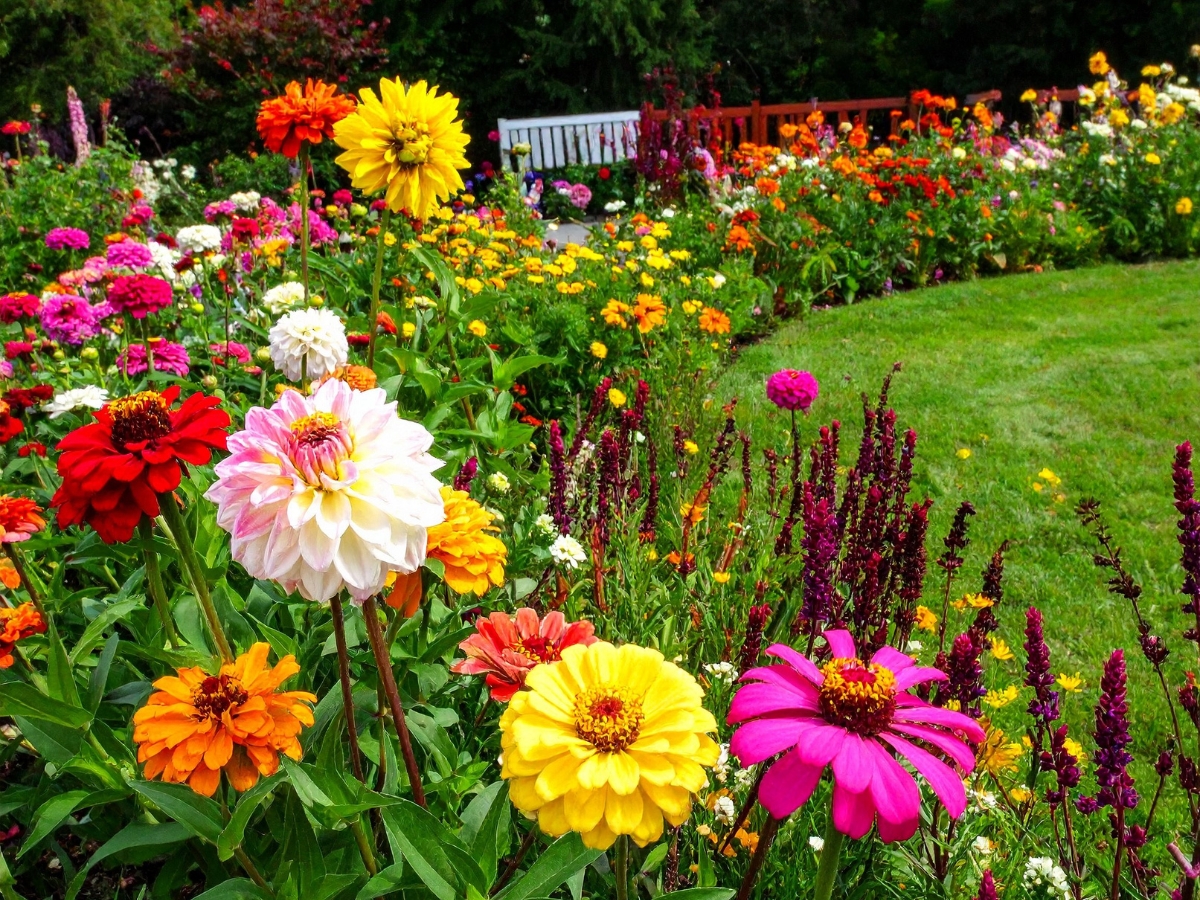
If the goal is to attract wildlife, choosing the right plants makes a noticeable difference. Native plants are often the most effective option because they are already adapted to the local environment. This means they provide reliable food sources and shelter for birds, butterflies, and other pollinators.
Unlike non-native species, these plants support the natural relationships that wildlife depends on. When a garden includes a mix of native flowers, grasses, and shrubs, it creates a more balanced habitat. This variety helps attract wildlife by offering nectar, seeds, and safe spaces for nesting or resting.
Why Native Plants Support A Healthier Ecosystem
Using native plants does more than improve appearance. It strengthens the local ecosystem by supporting species that already exist in the area. Because these plants are suited to local soil and climate conditions, they often require less maintenance and fewer resources to thrive.
This approach also encourages biodiversity. When different plant types are combined, they attract a wider range of insects and birds. Over time, this creates a more stable environment where beneficial insects help manage pests naturally.
For homeowners or gardeners, this makes it easier to attract wildlife without relying on constant upkeep or chemical treatments.
Native Plants That Provide Nectar And Habitat
Certain native plants are especially effective when the goal is to attract wildlife, particularly birds and butterflies. These plants offer both food and habitat, which helps support different stages of a species’ life cycle.
A few commonly recommended options include:
- Milkweed, which supports monarch butterflies by providing both nectar and a place for larvae to develop
- Coneflower, known for attracting butterflies and bees with its long-lasting blooms
- Black-eyed Susan, which offers nectar during blooming seasons and seeds that birds can feed on later
Including a mix of these plants helps create a layered habitat. Some provide nectar, while others offer seeds or shelter, which keeps wildlife returning throughout the year.
The Role Of Milkweed In Supporting Monarch Butterflies
Milkweed plays a specific and important role when trying to attract wildlife, especially monarch butterflies. Monarchs rely on milkweed as a host plant, meaning it is where they lay eggs and where caterpillars begin to develop.
Different milkweed species can vary in how suitable they are for larvae, but all contribute to supporting the monarch life cycle. By planting native varieties that match your region, you help create a more effective habitat for these butterflies.
Creating A Garden That Continues To Attract Wildlife
A successful wildlife garden is built over time. By combining native plants that bloom at different stages, it is possible to maintain a steady source of food and shelter. This encourages birds, butterflies, and pollinators to return throughout the seasons.
When done thoughtfully, planting native species is one of the most reliable ways to attract wildlife while also supporting the environment. It creates a space that feels active, balanced, and connected to the surrounding ecosystem.
How To Design A Pollinator-Friendly Garden That Helps Attract Wildlife
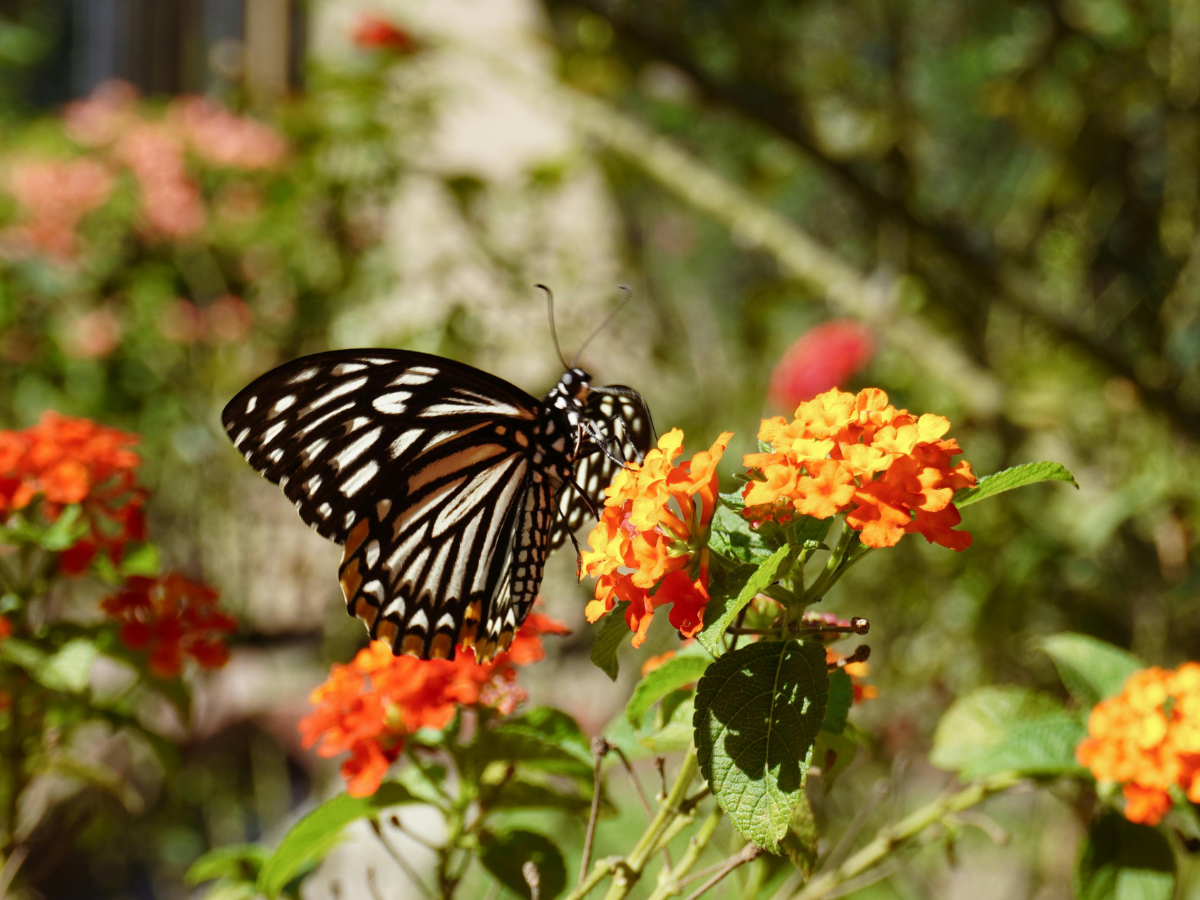
Creating a pollinator-friendly garden starts with understanding what birds and butterflies need to thrive. The goal is to build an environment that provides food, shelter, and water throughout the year.
When these elements are in place, it becomes much easier to attract wildlife and keep it returning over time.
A well-designed garden does not have to be large or complicated. Even small spaces can support pollinators when plants and features are chosen with purpose. The key is to focus on consistency, so there is always something available for wildlife to use.
Key Elements That Support Pollinators
Several core elements work together to create a space that can reliably attract wildlife. Each one plays a role in supporting different species and their daily needs.
A balanced garden often includes:
- A mix of native plants that bloom at different times to provide a steady source of nectar
- Shrubs or small trees that offer shelter and safe nesting areas
- A simple water source, such as a shallow basin or birdbath, for hydration
When these features are combined, the garden becomes more than just a collection of plants. It starts to function as a habitat that supports a range of species.
The Importance Of Plant Variety And Seasonal Planning
Plant selection is one of the most important parts of designing a pollinator-friendly space. Choosing a variety of plants that bloom at different points in the year ensures that food is available across seasons. This helps attract wildlife consistently rather than only during a short period.
Native plants are especially useful because they are already suited to local conditions. They tend to require less maintenance and are more likely to support the insects and birds that naturally live in the area.
By planning for early, mid, and late-season blooms, the garden can remain active and appealing throughout the year.
How Landscape Design Improves Habitat Quality
Thoughtful layout can make a noticeable difference in how effective a garden is. Grouping plants together rather than spreading them out helps pollinators find food more easily. It also creates a stronger visual impact, which can encourage more activity.
Adding variation in height and structure also improves the space. Taller plants or small trees can provide shelter, while lower-growing flowers offer easy access to nectar. These layers create a more natural setting that supports different types of wildlife.
Customizing the layout based on available space allows homeowners to attract wildlife in a way that fits their environment. Whether it is a backyard garden or a smaller area, the same principles can be applied.
Creating A Sustainable Space For Wildlife
A pollinator-friendly garden is most effective when it is maintained with care. Avoiding harsh chemicals and allowing some natural growth can support beneficial insects and create a more balanced ecosystem.
Over time, these choices help build a space that feels active and self-sustaining. By focusing on plant variety, shelter, and water, it becomes easier to attract wildlife and support it in a way that lasts.
How Water Features Help Attract Wildlife To Your Garden
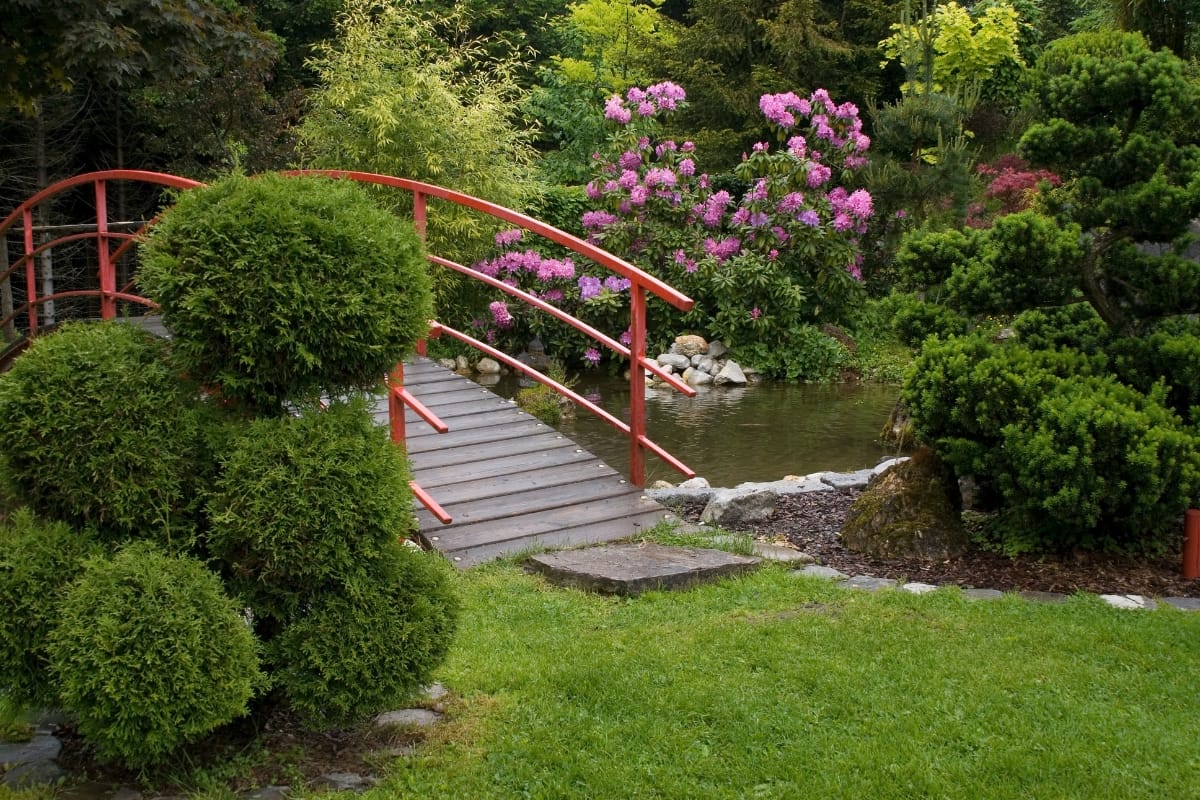
Water is one of the most important elements in any wildlife-friendly garden. While plants provide food and shelter, a reliable water source helps attract wildlife and keeps birds and butterflies returning throughout the year. Even a simple feature can make a noticeable difference in how active your outdoor space becomes.
Birds rely on water not only for drinking but also for bathing, which helps maintain their feathers. Butterflies, on the other hand, often gather around shallow water to absorb minerals. By adding water to your garden, you create a more complete habitat that supports daily needs.
Water Features That Provide Safe And Reliable Hydration
Choosing the right type of water feature depends on the size of your space and how much maintenance you want to take on. The goal is to keep water accessible, clean, and easy for wildlife to use.
A few common options include:
- Shallow birdbaths that allow birds to drink and bathe safely
- Small ponds that support insects and plant life, which in turn attract wildlife
- Fountains that keep water moving and help prevent stagnation
Each of these options can help attract wildlife in different ways. Birdbaths are simple and effective, while ponds create a more layered environment that supports multiple species.
Why Water Sources Matter In Different Environments
In areas where natural water is limited, adding a water feature can have an even greater impact. Research has shown that wildlife populations often depend on accessible water sources, especially in drier regions. Even a small addition can support a range of species that might otherwise pass through the area.
Keeping water levels consistent is important. Regular refilling and basic cleaning help ensure that the feature remains safe and usable. This also reduces the chance of attracting pests while maintaining a healthy environment.
How Water Features Work With Native Plants
Water features are most effective when combined with native plant landscaping. Together, they create a balanced ecosystem that supports both food and hydration. Plants attract insects and pollinators, while water provides the resources those species need to stay.
Placing water features near flowering plants can increase activity in the area. Birds and butterflies are more likely to stay when they have access to both food and water in one location. This combination makes it easier to attract wildlife and maintain a steady presence over time.
Creating A Functional And Inviting Outdoor Space
Adding water to a garden does more than support wildlife. It also improves how the outdoor space feels and functions. The sound of moving water, the presence of birds, and the activity of pollinators all contribute to a more engaging environment.
With the right setup, a garden can become a place where wildlife naturally gathers. By combining water features with thoughtful planting, it is possible to attract wildlife in a way that feels both natural and sustainable.
How Bird Feeders And Landscaping Help Attract Wildlife
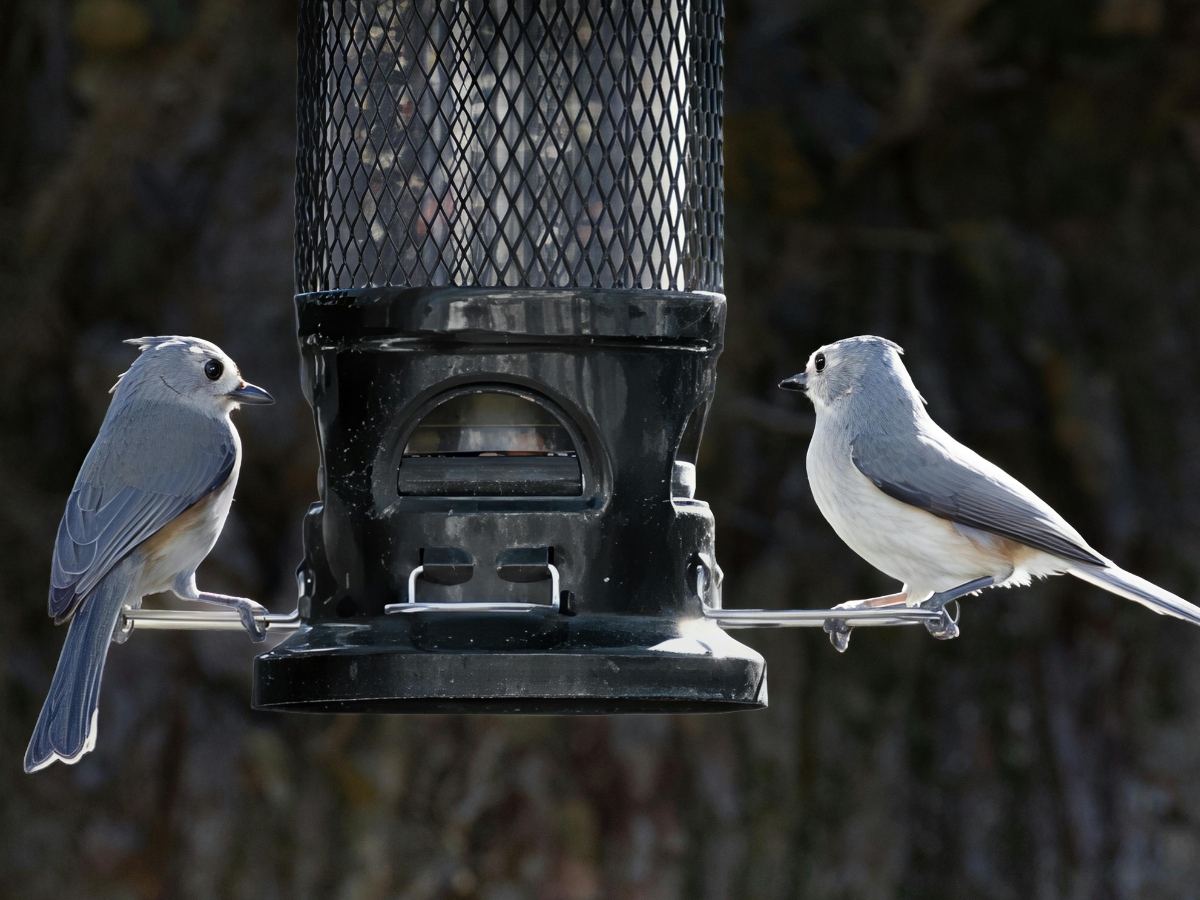
Bird feeders and thoughtful landscaping work together to create a space that supports daily wildlife activity. While plants provide natural food and shelter, feeders offer an additional source of nutrition that can help attract wildlife more consistently.
For birds, feeders can be especially useful during times when natural food is less available. When combined with a well-planned garden, they encourage birds to return regularly rather than pass through. This creates a more active and balanced environment where wildlife feels supported.
Best Practices For Installing Bird Feeders
The way feeders are placed and maintained has a direct impact on how effective they are. A feeder that feels safe and accessible is more likely to attract wildlife and keep birds coming back.
A few practical considerations include:
- Placing feeders near shrubs or trees so birds have nearby cover
- Offering a mix of seed types to attract different species
- Keeping feeders clean and refilled to maintain a steady food source
These steps help create a reliable feeding area without disrupting the natural flow of the garden. When feeders are cared for properly, they become a consistent part of the habitat rather than a temporary addition.
How Landscaping Supports A Natural Habitat
Feeders alone are not enough to sustain long-term wildlife activity. Landscaping plays a key role by creating a complete environment that includes food, shelter, and space for movement.
Using native plants helps attract wildlife by providing nectar, seeds, and habitat that local species recognize. Adding layers of plants, such as ground cover, shrubs, and taller growth, gives birds and butterflies places to rest and stay protected.
Water sources also contribute to this balance. When combined with feeders and plant life, they create a setting that supports a wide range of species throughout the year.
Creating A Balanced And Sustainable Space
The most effective gardens combine feeders with natural elements in a way that feels consistent. Instead of relying on one feature, the space works as a whole to support wildlife needs.
This might include placing feeders where they are visible but still close to shelter, or arranging plants so that food sources are spread throughout the garden. Small adjustments like these make it easier to attract wildlife while keeping the space functional.
In the end, bird feeders and habitat landscaping are most effective when they are used together. By combining reliable food sources with natural surroundings, it becomes easier to attract wildlife and maintain a steady presence over time.
Seasonal Care Practices That Help Attract Wildlife
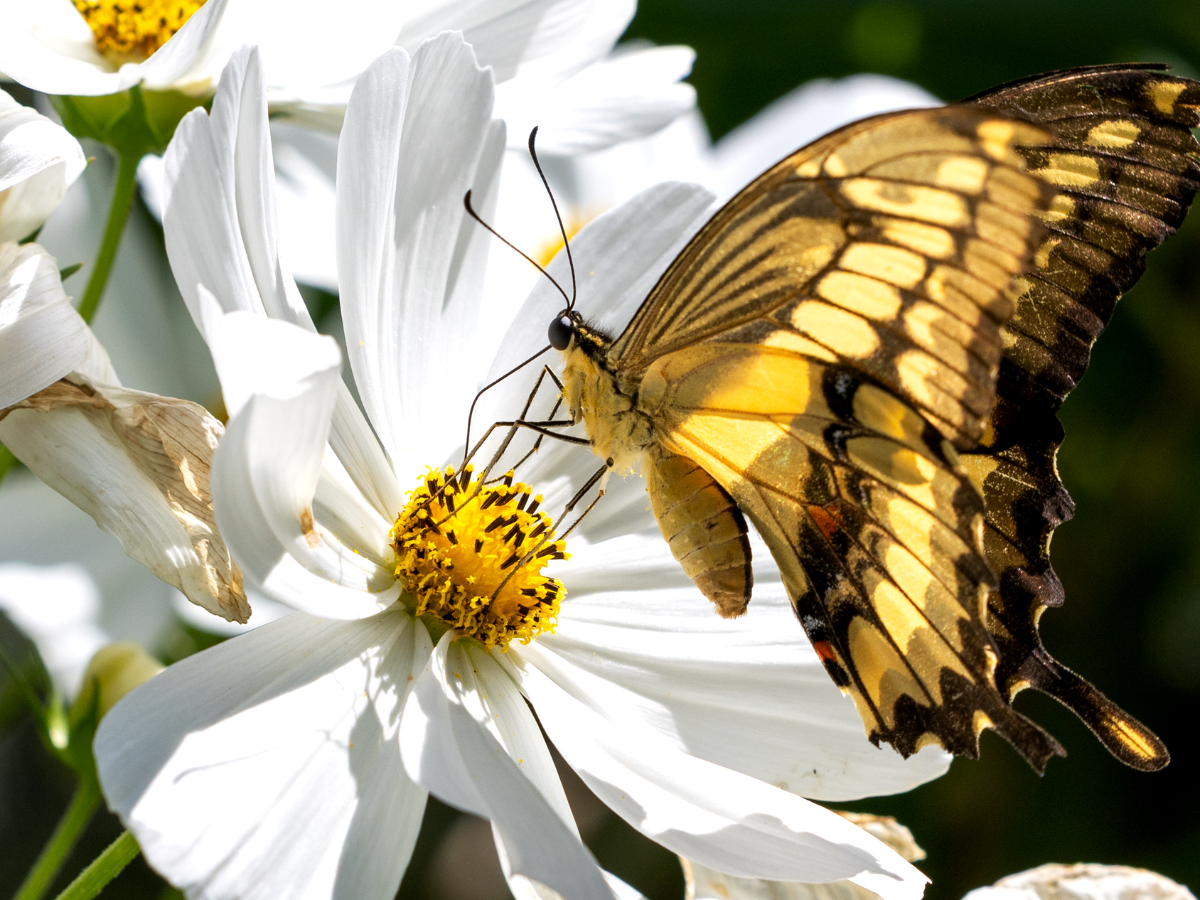
Keeping a garden active throughout the year requires consistent care. Birds and butterflies rely on steady access to food, water, and shelter, so seasonal maintenance plays a key role in how well your space continues to attract wildlife.
Each season brings different needs. By adjusting your approach as the weather changes, you can create a garden that supports wildlife in a more reliable way. This does not require major changes, but it does benefit from regular attention.
How To Prepare Your Garden Through The Seasons
Seasonal preparation helps maintain balance and keeps your garden functioning as a habitat rather than just a landscape feature. Small tasks at the right time can make a noticeable difference in how often you attract wildlife.
A simple seasonal approach can include:
- In spring, adding native plants and clearing out excess debris to encourage new growth
- In summer, checking water sources and making sure they remain clean and accessible
- In fall, leaving some seed heads and plant stems in place to provide food
- In winter, offering additional support through feeders and reliable shelter
These adjustments help maintain a consistent environment where birds and butterflies can continue to visit, even as conditions change.
Supporting Wildlife With Sustainable Landscaping
Long-term success depends on how the garden is maintained over time. Sustainable landscaping practices help create a space that continues to attract wildlife without requiring constant intervention.
Healthy soil is one of the most important factors. Adding compost or mulch can improve soil quality and support plant growth. Strong plants are more likely to produce the flowers, seeds, and shelter that wildlife depends on.
Choosing native plants also reduces the need for extra water and maintenance. These plants are already suited to the local environment, which makes them more reliable over time. As they establish themselves, they help create a stable habitat that supports a variety of species.
Water management is another important consideration. Features such as rain gardens or permeable surfaces can help manage runoff while keeping moisture available for plants. This supports a healthier ecosystem and makes it easier to attract wildlife consistently.
Creating A Garden That Supports Year-Round Activity
A garden that attracts wildlife is not built in a single season. It develops through ongoing care and thoughtful adjustments. By maintaining plants, monitoring water, and allowing some natural elements to remain, the space becomes more balanced over time.
These practices help create a setting where birds and butterflies can return throughout the year. Instead of relying on one feature, the garden works as a whole to support different needs.
With steady care and a focus on sustainability, it becomes easier to attract wildlife and maintain a space that feels active, functional, and connected to the surrounding environment.
Conclusion
Transforming your garden into a welcoming haven for birds, butterflies, and pollinators brings vibrant life, movement, and natural beauty to your outdoor space.
By incorporating native plants, water sources, and thoughtful habitat features, you can create an ecosystem that supports local wildlife while delighting the senses.
For expert landscape design that balances beauty with ecological purpose, trust Glover Landscapes. Ready to invite nature into your garden? Call (404) 510-6437 or visit our website for a free estimate on your landscaping project. Let’s create a sanctuary that thrives with life, color, and harmony.