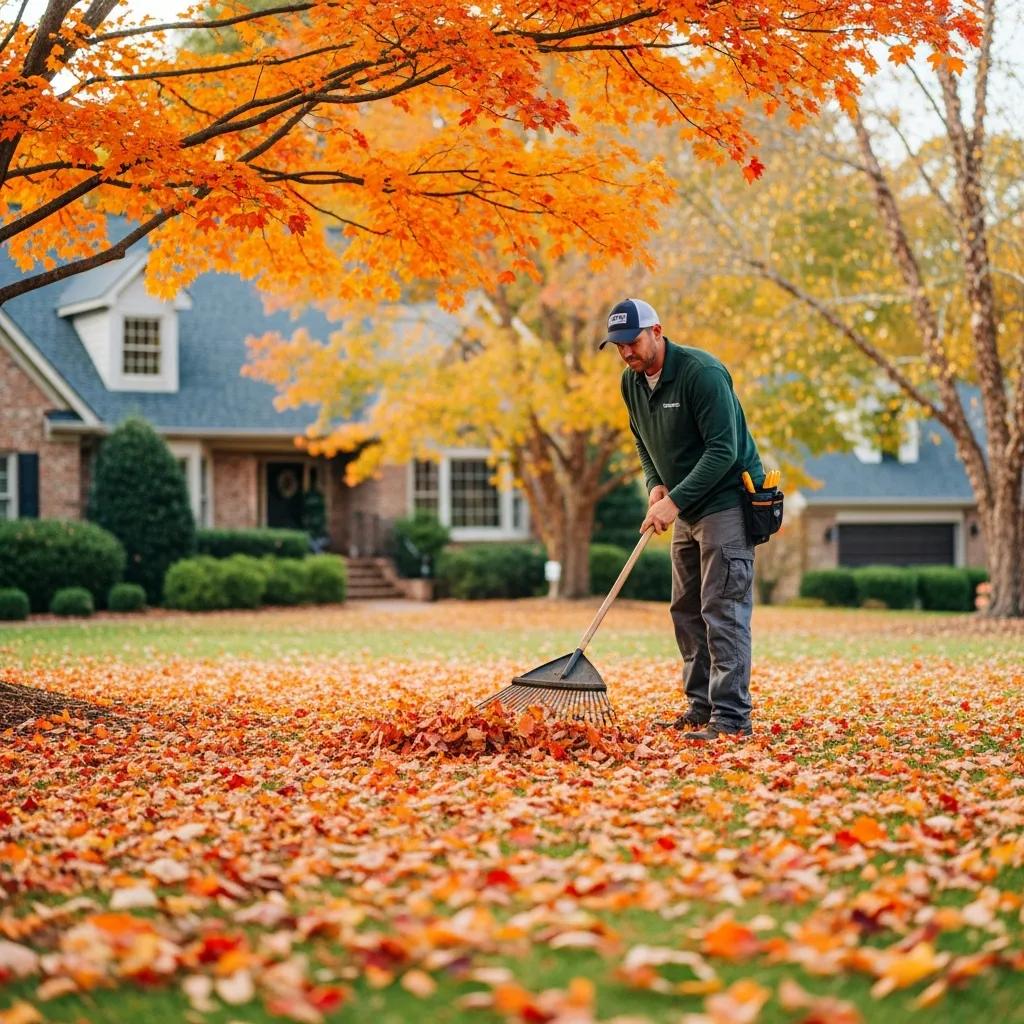
As the leaves begin to fall across Atlanta, yards can quickly go from picture-perfect to buried in debris. While colorful foliage adds seasonal charm, thick layers of leaves can block sunlight, trap moisture, and damage your lawn if left unattended. Professional fall leaf removal services in Atlanta help keep your property clean, healthy, and ready for the cooler months ahead.
Beyond appearance, timely leaf removal protects grass from mold, prevents clogged gutters, and reduces the risk of slippery walkways. In a city where autumn weather can shift quickly, staying ahead of buildup is key to maintaining curb appeal and lawn health.
Investing in reliable fall leaf removal services in Atlanta ensures your landscape stays tidy, your drainage systems function properly, and your property remains well-maintained throughout the season.
Fall Leaf Removal Services Atlanta Done Right
What Are the Key Benefits of Professional Fall Leaf Removal in Atlanta?

In Atlanta, fall leaves can pile up fast, especially after a few windy days or a sudden rainstorm. While a thin layer of leaves can look harmless at first, the buildup can create problems for lawns, garden beds, walkways, and drainage areas.
Professional fall leaf removal helps homeowners stay ahead of that mess so the yard stays healthy and the property looks cared for throughout the season. It also saves time during a busy part of the year when weekends fill up quickly.
One of the biggest benefits is consistency. Leaves do not drop all at once, and clearing them once in early fall usually is not enough. A professional crew can handle repeat visits during peak leaf drop so you are not constantly chasing the problem.
That steady upkeep helps prevent leaves from breaking down into soggy mats that cling to grass and collect in corners of the yard. It also reduces the chance of slippery walkways, clogged areas around downspouts, or leaf piles that migrate into landscaping beds after rain.
Another advantage is cleaner disposal. Bagging, hauling, and disposing of leaves can be more work than the raking itself, and it is easy to underestimate how many bags a typical yard can produce.
Professional fall leaf removal typically includes collection and removal, which keeps piles from sitting around the property and makes the final result look finished. For many homeowners, the real value is not just “having fewer leaves,” but having a yard that stays usable, tidy, and easier to maintain as the season changes.
How Does Leaf Removal Improve Yard Health And Appearance?
Leaf removal is not only about appearance, even though a clean yard definitely boosts curb appeal. When leaves accumulate and stay wet, they can create a dense layer that blocks sunlight and limits airflow.
Grass needs light and oxygen to stay strong, and when it is covered for too long, it can thin out or develop weak spots. In shaded areas, the problem often shows up faster because moisture lingers longer and the grass stays damp.
That damp layer can also encourage mold and mildew, which is not great for turf or plant health. Over time, wet leaves can smother grass and create a soft, uneven surface that feels spongy underfoot.
If you have garden beds, heavy leaf buildup can trap moisture around plants and make it harder to spot issues like rot, pests, or weed growth. Clearing leaves regularly helps keep the surface of the lawn and beds drier and healthier.
From an appearance standpoint, fall leaf removal keeps the yard looking neat instead of neglected. It also helps define the landscape again. You can actually see the shape of beds, the edges of walkways, and the details that make the property look well-maintained.
This matters in fall and early winter when lawns are already under seasonal stress, and a messy yard can look worse than it really is. A clean finish makes the entire property feel more polished, even if the rest of the landscaping stays simple.
Why Choose Local Experts For Seasonal Yard Cleanup In Atlanta?
Atlanta’s fall weather can be unpredictable, with warm weeks followed by sudden cold snaps and rain that turns leaves into heavy, wet layers. Local crews understand how quickly those conditions can change and how different neighborhoods and tree types affect leaf drop.
Some yards deal with steady shedding over weeks, while others get hit all at once after a storm. A local team is more likely to anticipate those patterns and schedule service at the right times so the yard does not get overwhelmed.
Local professionals also tend to know what works best for Atlanta landscapes, including how to protect grass that is still growing in early fall and how to handle leaves in areas where drainage is a concern.
They can spot trouble areas, like low points where water collects or spots where leaves repeatedly blow back in, and adjust the cleanup approach accordingly. That kind of attention matters because fall leaf removal is most effective when it is targeted, not rushed.
For homeowners, hiring local help can also make the process more straightforward. Communication is easier, scheduling tends to be faster, and the service is grounded in what Atlanta yards actually need during the season.
When fall leaf removal is handled consistently and correctly, it supports lawn health, protects landscaping, and keeps the property looking clean through the messiest months of the year.
When Is the Best Time to Schedule Fall Leaf Removal and Yard Cleanup in Atlanta?

In Atlanta, timing matters because leaf drop is not always predictable. Some years, the season feels gradual, with leaves falling over several weeks. In other years, a cold snap or a strong storm can push a large drop almost overnight.
The best approach is to think of fall leaf removal as a seasonal window with a few key checkpoints, rather than a one-and-done task. Most homeowners start seeing steady leaf fall in mid-October, with heavier buildup through November, but the exact pace depends on the trees on your property and the weather pattern that year.
A smart schedule usually starts with an early cleanup once leaves begin collecting in noticeable patches, especially in areas where they tend to mat down, like shaded corners, along fences, and around shrubs. This first pass keeps leaves from piling up and makes later cleanups easier.
After that, it often makes sense to plan another cleanup during peak leaf drop, then finish with a final pass toward the end of the season. The goal is to prevent leaves from sitting too long on the lawn, clogging drainage areas, or turning into wet layers that are harder to remove and more likely to affect grass health.
If you wait until every tree is bare, you may end up dealing with heavier, wetter piles after rain. Wet leaves are harder to blow, heavier to bag, and more likely to stick to turf. Scheduling fall leaf removal before the yard is covered in soggy layers is usually more efficient and better for the lawn.
What Seasonal Factors Affect Leaf Removal Timing In Atlanta?
Atlanta’s fall weather can swing between warm, dry days and cooler, rainy stretches, and both can change how quickly leaves come down. Temperature drops often speed up leaf fall, especially when nighttime temperatures start cooling more consistently.
Rain can also play a role by weighing leaves down and causing larger drops, but it can make cleanup more difficult if you wait too long and everything becomes wet and compacted.
Tree type matters as well. Some trees shed early and steadily, while others hold leaves longer and drop later in the season. If your yard has a mix, you might see waves of leaf fall instead of one peak period.
Wind is another factor, since a few breezy days can move leaves from one part of the yard to another, even after you have already cleared them. That is why leaf removal in Atlanta often works best as a repeated maintenance routine during the season rather than a single cleanup.
You can also use your yard’s trouble spots as a guide. If leaves collect near downspouts, low areas, or along hardscapes like driveways and walkways, those areas should be cleared sooner.
Keeping those zones clean helps with drainage and reduces the chance of slippery surfaces during rainy weeks. When you plan fall leaf removal around weather and tree patterns, you usually end up with a cleaner yard and less hassle overall.
How To Plan Your Autumn Yard Cleanup For Optimal Results?
Planning ahead makes fall yard work easier, whether you do it yourself or schedule help. The biggest practical step is booking early if you want service during the busiest part of the season.
Peak leaf drop tends to compress into a short window, and schedules fill up fast, especially after storms when everyone wants cleanup at the same time. Even if you are not locking in specific dates, having a general plan for mid-season and end-of-season cleanup keeps you from falling behind.
If you are handling some of the work yourself, prepare for how leaf volume builds. A rake and a blower can both be useful, but the real difference comes from staying consistent.
Clearing smaller amounts more often is usually easier than tackling a yard that has been ignored for weeks. It also helps to keep debris bags or bins ready so you are not stuck mid-cleanup without a place to put everything.
Safety matters too, especially when leaves are wet. Wear gloves to protect your hands and choose shoes with good traction to avoid slipping on damp piles along sidewalks and slopes. Take breaks if you are working for extended periods, and pay attention to hidden hazards like uneven ground covered by leaves.
With a little planning, fall leaf removal becomes a manageable seasonal routine that keeps the lawn healthier and the property looking neat all the way into winter.
How Much Does Leaf Removal Cost in Atlanta and What Are Service Packages?
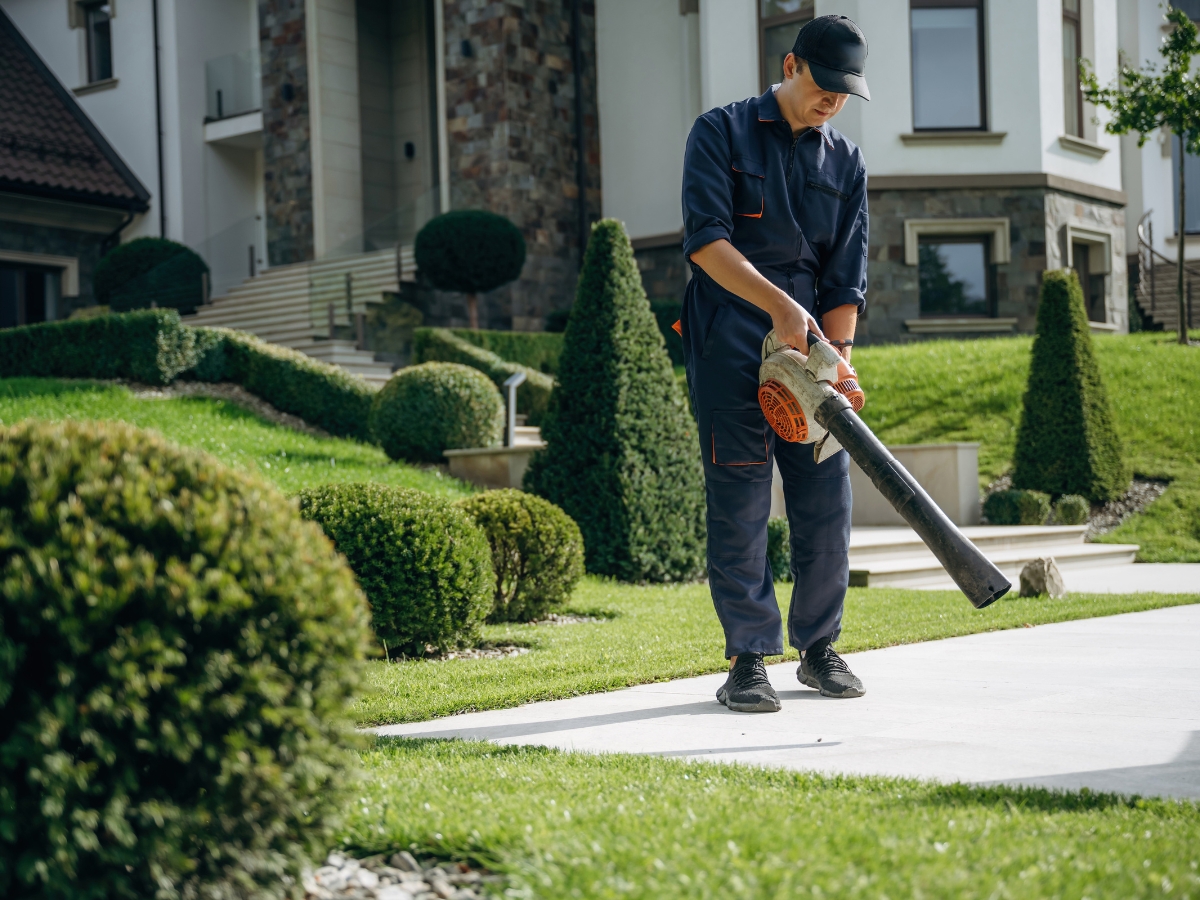
Leaf removal costs in Atlanta can vary depending on the size of your yard, how many trees you have, and how quickly leaves accumulate on your property. A small yard with light leaf fall may only need a basic visit or two, while a larger lot with mature trees can require multiple cleanups during peak season. Because fall leaf removal is often needed more than once, it helps to think in terms of service packages rather than a single flat price.
Most companies price leaf cleanup based on time, volume, and access. If leaves are dry and easy to blow and collect, the job tends to move faster. If leaves are wet, compacted, or spread across slopes, garden beds, and hardscapes, it can take longer and require more hauling.
The areas included also affect cost. A simple lawn-only cleanup will usually be less than a full-property service that includes walkways, driveways, patios, planting beds, and leaf buildup around downspouts or drains.
In Atlanta, you will often see packages organized into basic, comprehensive, and seasonal options. A basic cleanup typically focuses on clearing leaves from the lawn and visible areas so the yard looks tidy and grass is not smothered.
A more comprehensive package usually includes additional debris pickup, attention to beds and edges, and a more thorough final pass that leaves the yard clean-looking from curb to backyard. Seasonal maintenance packages are designed for homeowners who want consistent service during fall, especially when leaf drop comes in waves and a single cleanup does not keep up.
What Pricing Options Are Available For Yard Cleanup Services In Atlanta?
Pricing is usually presented as a starting range that increases with yard size and leaf volume. For many homeowners, a basic fall leaf removal visit can start around one hundred fifty dollars for smaller properties, particularly if the yard is easy to access and the leaves are not excessively heavy.
This kind of service often includes blowing leaves into manageable piles, collecting them, and clearing visible leaf buildup from the main lawn area and some landscaping edges.
A comprehensive cleanup often begins closer to two hundred seventy-five dollars and may increase based on how much debris is involved. This level of service generally covers more detailed work, including leaf removal from garden beds, around shrubs, along fences, and in hard-to-reach corners where leaves tend to collect and stay damp. It may also include clearing leaves from walkways and driveways, which helps with both appearance and safety during rainy weeks.
Seasonal maintenance packages are usually priced higher because they are designed to cover multiple visits during the fall. A starting point for a season-long plan can be around four hundred fifty dollars, but the total can change based on how many cleanups are included and the overall workload.
The benefit of seasonal service is consistency. Instead of waiting until leaves are piled high, you can keep the yard manageable through peak drop, which is often better for grass health and makes each visit faster and more effective.
The best way to choose a package is to consider how your yard behaves in the fall. If leaves fall steadily for weeks, a seasonal plan may be more cost-effective than multiple one-off visits. If leaf drop is lighter or your property has fewer trees, a basic or one-time comprehensive cleanup may be enough.
Are There Additional Fees For Seasonal Debris And Leaf Waste Disposal?
Disposal is one of the most common reasons for pricing changes, so it is worth understanding how it works. Some leaf removal pricing includes hauling and disposal, while other services may charge more if the volume is high or if the job produces more bags than expected. Wet leaves weigh more, take up more space, and can increase hauling time, which is why disposal costs sometimes rise after storms.
Additional fees can also come up when seasonal cleanup includes more than leaves. Small branches, pine straw buildup, acorns, and other debris can add time and volume. If your yard tends to collect debris beyond leaves, it helps to clarify what is included in the package so there are no surprises.
Many companies will also adjust pricing if access is difficult, such as steep slopes, fenced areas with limited entry points, or yards where leaves must be carried long distances to reach a disposal area.
Ultimately, fall leaf removal is easier to budget for when the scope is clear. Knowing what areas are included, how disposal is handled, and whether multiple visits are recommended will help you choose a package that fits your yard and keeps the property looking clean throughout the season.
What Related Services Does Glover Landscapes Offer For Fall Yard Maintenance In Atlanta?
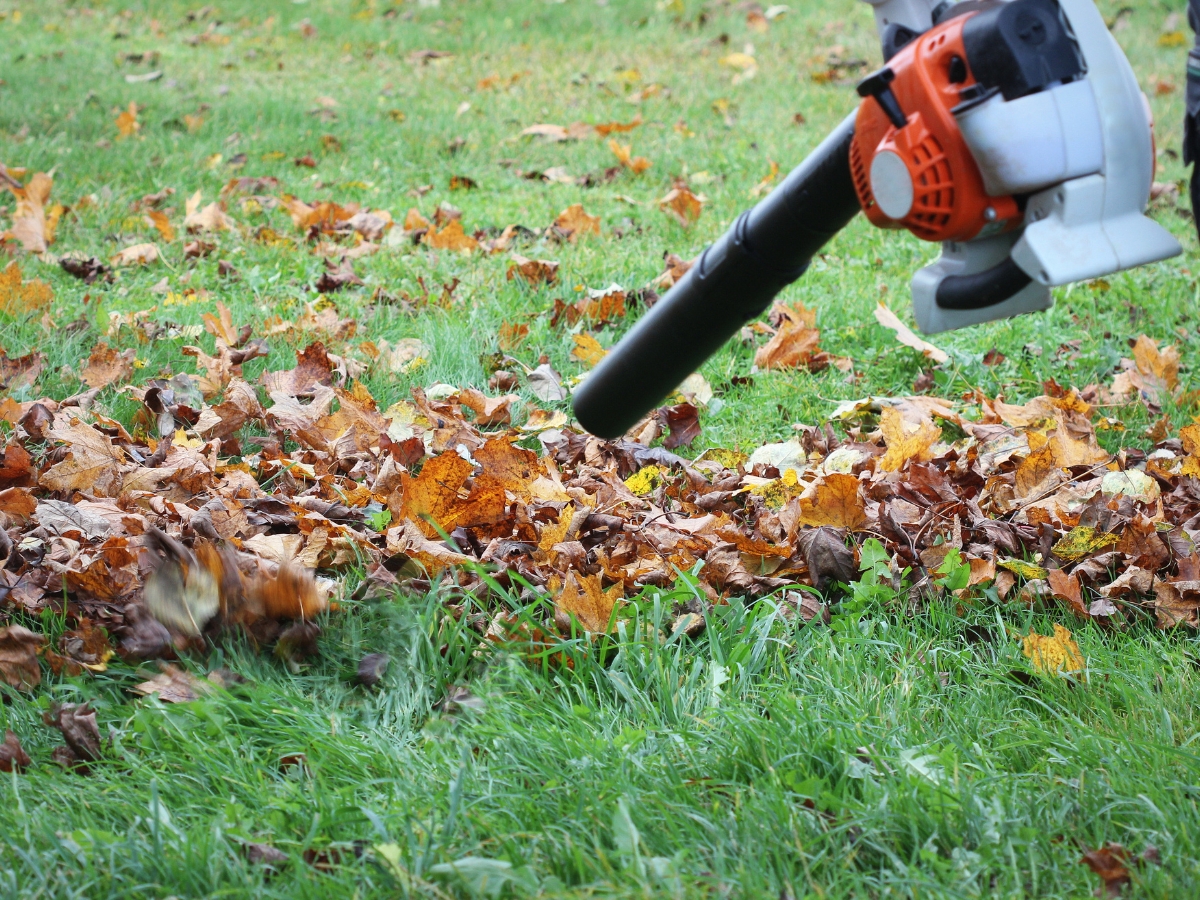
Fall yard work in Atlanta usually involves more than just raking leaves. Once trees start dropping, it often becomes obvious where your yard holds moisture, where beds have collected debris, and which areas need attention before colder weather arrives.
That is why many homeowners pair fall leaf removal with a few other maintenance tasks that help the landscape look cleaner now and perform better in the months ahead.
When these services are handled in the same season, the yard is easier to keep tidy and less likely to develop problems that show up later, like dead patches of grass, clogged drainage areas, or messy beds that are harder to reset in spring.
Fall leaf removal is typically the foundation because it clears the surface and reveals what the yard actually needs. After leaves are removed, it becomes much easier to spot areas where mulch has thinned out, plants need trimming, or walkways have accumulated debris.
It also helps prevent leaves from packing into beds and around shrubs, where they can trap moisture and make the landscape look unkempt. Once the yard is cleared, additional seasonal maintenance can be done more effectively, and the results usually last longer.
How Does Landscape Design Preparation Complement Fall Leaf Removal?
Fall is a good time to reset the look of the yard because the heavy growth of summer is slowing down, but the weather is still workable. When you combine fall leaf removal with basic landscape preparation, the property tends to look more intentional and easier to manage.
Clearing leaves first helps define bed lines, borders, and the shape of planting areas, which can get blurred when debris builds up. It also keeps leaves from layering over mulch and soil, where they can break down into a soggy mat that is harder to remove later.
Landscape prep in fall often focuses on cleaning up beds, trimming back plants that are past their season, and making sure the yard still looks neat even when fewer things are blooming. That might mean tidying up the edges of beds, removing dead plant material, or refreshing mulch in areas that have thinned.
These steps do not have to be elaborate to make a difference. A clean bed line and a fresh surface layer can make the whole yard look sharper, especially once leaves are no longer covering everything.
Planning ahead also helps protect plants going into winter. After fall leaf removal, it is easier to see which plants may need a little protection from cold snaps or which areas of the yard tend to stay wetter and could affect plant health. Even small adjustments, like improving airflow around shrubs or keeping leaves from piling at the base of plants, can support healthier growth when spring returns.
What Water Feature Maintenance Is Recommended Before Winter?
If your yard includes a pond, fountain, or any other water feature, fall maintenance matters because leaves can cause problems fast. Debris that falls into the water can clog pumps and filters, slow circulation, and create murky water.
When leaves break down, they can also add excess organic material that leads to buildup and unpleasant odors. Taking care of water features before winter helps prevent damage and makes spring startup much easier.
A good first step is a thorough cleaning. Removing leaves and debris from the water and surrounding edges helps keep the system running efficiently. It also reduces the chance of blockages that can strain equipment.
After the area is clean, it is smart to check the pump and any filters to make sure everything is working properly. If water flow seems weaker than usual or you notice unusual noises, that can be a sign the system needs attention before temperatures drop.
Winterizing depends on the type of water feature and how cold it gets, but the general idea is to prepare it for lower use and colder conditions. Some features can keep running through winter with the right setup, while others should be shut down to avoid damage. Either way, the goal is to reduce stress on equipment and prevent issues caused by debris, freezing, or stagnant water.
When you combine fall leaf removal with landscape prep and water feature maintenance, the yard stays cleaner and more stable through the season. It also makes the property easier to manage during winter and sets you up for a smoother transition into spring.
Conclusion
Professional fall leaf removal is more than just an aesthetic service—it’s essential lawn care that prevents mold, suffocation, and pest issues that can damage your landscape through winter. By entrusting this seasonal task to experts, you protect your property’s health while reclaiming your weekends.
For reliable, thorough leaf removal services in Atlanta, trust the team at Glover Landscapes. Ready to enjoy a pristine lawn without the backbreaking work? Call (404) 510-6437 or visit our website for a free estimate on your fall landscaping project. Let us handle the leaves while you savor the season.