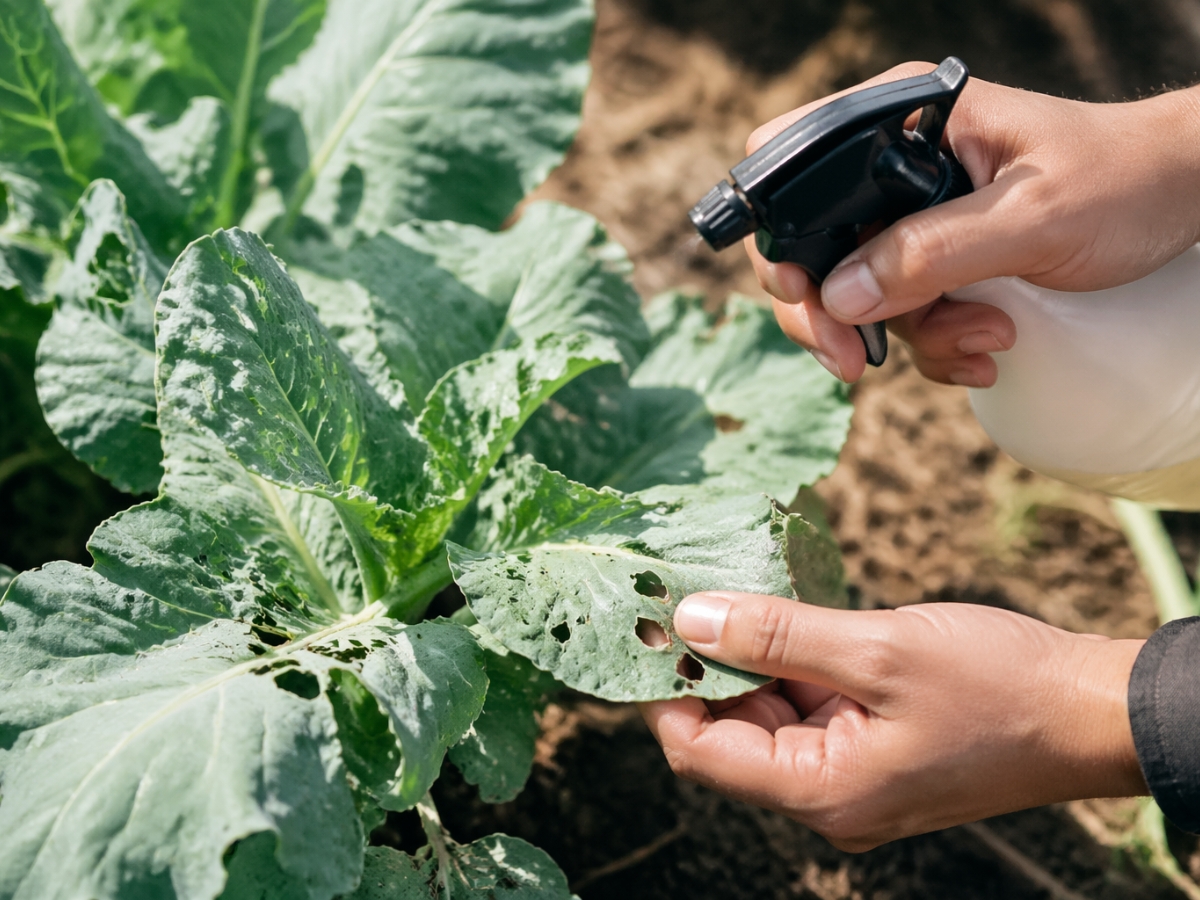
A thriving garden can quickly decline when pests and plant diseases take hold. What starts as a few damaged leaves can spread, affecting plant health, reducing yields, and impacting the overall look of your outdoor space. Managing these issues early is essential for keeping your garden productive and balanced.
Pest management for common garden pests and diseases focuses on both prevention and targeted solutions. Healthy soil, proper plant spacing, and regular monitoring help reduce the risk, while timely treatment can stop problems before they spread.
The right approach protects your plants without causing unnecessary harm to beneficial insects or the surrounding environment. With consistent care and informed decisions, you can maintain a healthier garden and keep pests and diseases under control throughout the growing season.
Pest Management Strategies for Healthier Gardens
How Can You Identify Common Garden Pests Effectively?
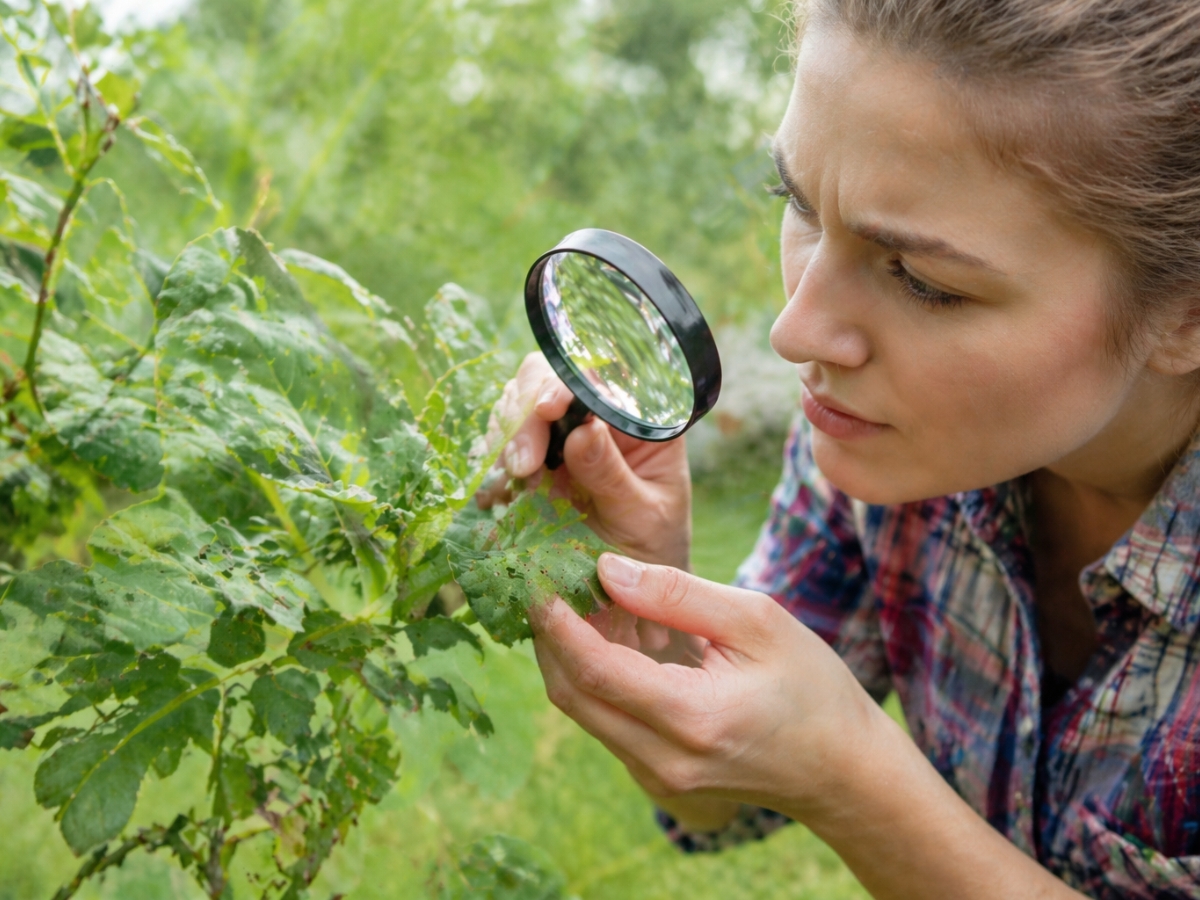
Recognizing early signs of trouble in your garden is one of the most important parts of successful pest management.
The sooner you identify an issue, the easier it is to control before it spreads or causes lasting damage. Rather than waiting for plants to decline, it helps to build a habit of regular observation and knowing what to look for.
A quick check every few days can make a significant difference. Pay attention to changes in leaf color, texture, and growth patterns.
Even small shifts can signal the beginning of a pest problem. Over time, this routine becomes second nature and allows you to respond quickly with the right solution.
What Are The Most Frequent Garden Insects Affecting Plants?
Many garden pests are small and easy to miss at first, but they can multiply quickly once established. Aphids are among the most common, often gathering on new growth where they feed on plant sap. Their presence can weaken plants and cause leaves to curl or distort.
Spider mites are another frequent issue, especially in warm and dry conditions. They tend to live on the undersides of leaves and can create a fine, almost dusty webbing. While they are tiny, the damage they cause can become noticeable as leaves develop a speckled or faded appearance.
Whiteflies are also common in many gardens. When disturbed, they flutter up in small clouds, making them easier to spot than some other pests. Like aphids, they feed on plant sap and can reduce plant vigor over time.
Caterpillars present a different type of problem. Instead of feeding on sap, they chew through leaves, often leaving visible holes or ragged edges. In some cases, they can strip a plant of foliage quickly if not addressed early.
Understanding how each of these pests behaves gives you a clearer sense of what you are dealing with and helps guide your pest management approach.
Which Visual Signs Indicate Pest Infestation In Your Garden?
Even if you do not see the insects themselves, your plants often provide clear clues that something is wrong. One of the first signs is discoloration. Leaves may turn yellow, develop spots, or appear dull instead of vibrant. This is often linked to sap-feeding insects that interfere with the plant’s ability to function properly.
Physical damage is another key indicator. Holes in leaves, uneven edges, or thinning foliage usually point to chewing pests like caterpillars. In contrast, more subtle changes, such as curled or distorted leaves, often suggest smaller insects like aphids are present.
You may also notice a sticky coating on leaves or nearby surfaces. This substance, known as honeydew, is produced by pests like aphids and whiteflies. It can attract ants and sometimes lead to the growth of a dark, sooty mold, which further affects plant health.
Webbing is another sign to watch for, particularly when dealing with spider mites. Fine strands on the undersides of leaves or between stems can indicate an active infestation, even if the mites themselves are difficult to see.
Building A Strong Foundation For Pest Management
Effective pest management starts with awareness. By learning to recognize both the pests and the signs they leave behind, you can respond with confidence rather than guesswork.
Early detection not only protects your plants but also reduces the need for more aggressive treatments later on. With consistent observation and a basic understanding of common garden pests, maintaining a healthy, productive garden becomes far more manageable.
What Are Natural Remedies For Preventing And Treating Plant Diseases?
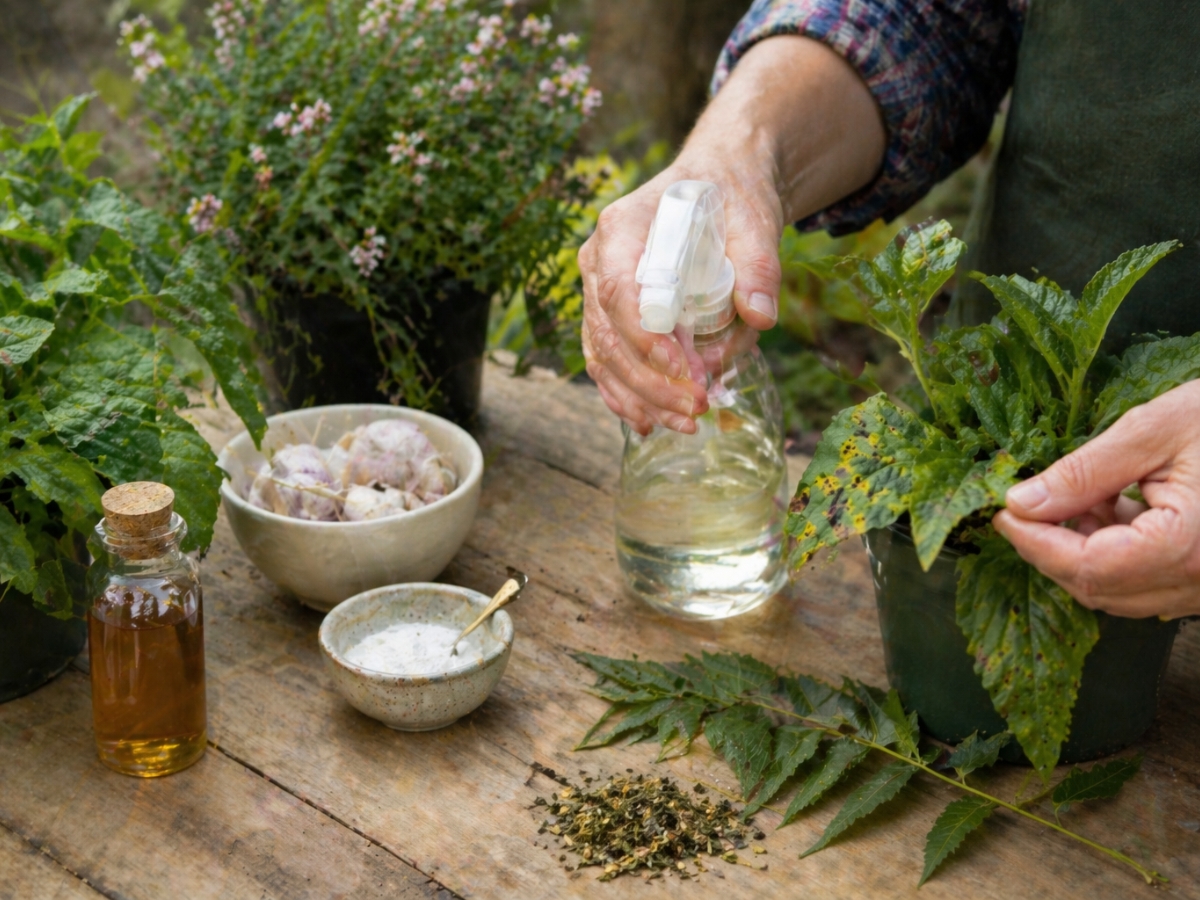
A healthy garden starts with prevention, and natural methods can go a long way in supporting long-term pest management. Instead of reacting only when problems appear, focusing on soil health, plant spacing, and routine care helps reduce the chances of disease taking hold in the first place.
Good airflow, proper watering habits, and clean gardening tools all contribute to a stronger growing environment.
When plants are less stressed, they are naturally more resistant to both pests and disease. These simple habits create a foundation where natural remedies can work more effectively if issues do arise.
How Do You Recognize Symptoms Of Common Plant Diseases?
Spotting plant disease early makes a noticeable difference in how easy it is to manage. Many issues begin with subtle changes that can be easy to overlook if you are not checking regularly. Leaves may start to wilt even when the soil is moist, or you might notice small spots that gradually spread across the surface.
Powdery mildew is one of the more recognizable conditions, appearing as a white, dusty coating on leaves and stems. It often develops in warm, humid conditions where airflow is limited.
Root rot, on the other hand, is less visible at first but can be identified by yellowing leaves and a general decline in plant health. If you check the roots, they may appear soft or dark rather than firm and white.
Unusual growth patterns can also point to underlying problems. Stunted growth, curling leaves, or distorted stems often signal that a plant is under stress, whether from disease or environmental conditions. Paying attention to these early warning signs allows you to act before the issue spreads throughout the garden.
Which Organic Treatments Help Control Plant Diseases?
Once symptoms appear, natural treatments can help contain and manage the problem without disrupting the overall balance of your garden. Neem oil is a commonly used option that works against a range of fungal issues and also supports broader pest management efforts by discouraging certain insects.
Baking soda solutions are another simple approach, often used to help control surface-level fungal problems like mildew. When applied correctly, they can slow the spread and give plants time to recover.
Copper-based treatments are also widely used in organic gardening, particularly for more persistent fungal infections. The key with any treatment is consistency.
Natural remedies tend to work gradually, so repeated application and monitoring are important. Combined with improved growing conditions, these treatments can be highly effective without relying on harsher chemical options.
How Does Companion Planting Support Disease Prevention?
Beyond direct treatments, planting strategies can play a meaningful role in keeping your garden healthy. Companion planting is a practical way to strengthen pest management while also reducing disease risk.
Certain plants naturally repel harmful insects or improve soil conditions, which helps protect nearby crops. Marigolds are a well-known example.
When planted alongside vegetables, they can deter soil pests like nematodes and help create a more balanced environment. Other companion plants attract beneficial insects that feed on common garden pests, reducing pressure on your plants overall.
This approach works best when it is part of a broader plan. By combining healthy soil practices, early detection, and thoughtful plant pairings, you create a system where problems are less likely to take hold. Over time, this leads to a garden that is more resilient and easier to manage using natural methods.
Which Effective Pest Control Methods Are Suitable For Home Gardens?
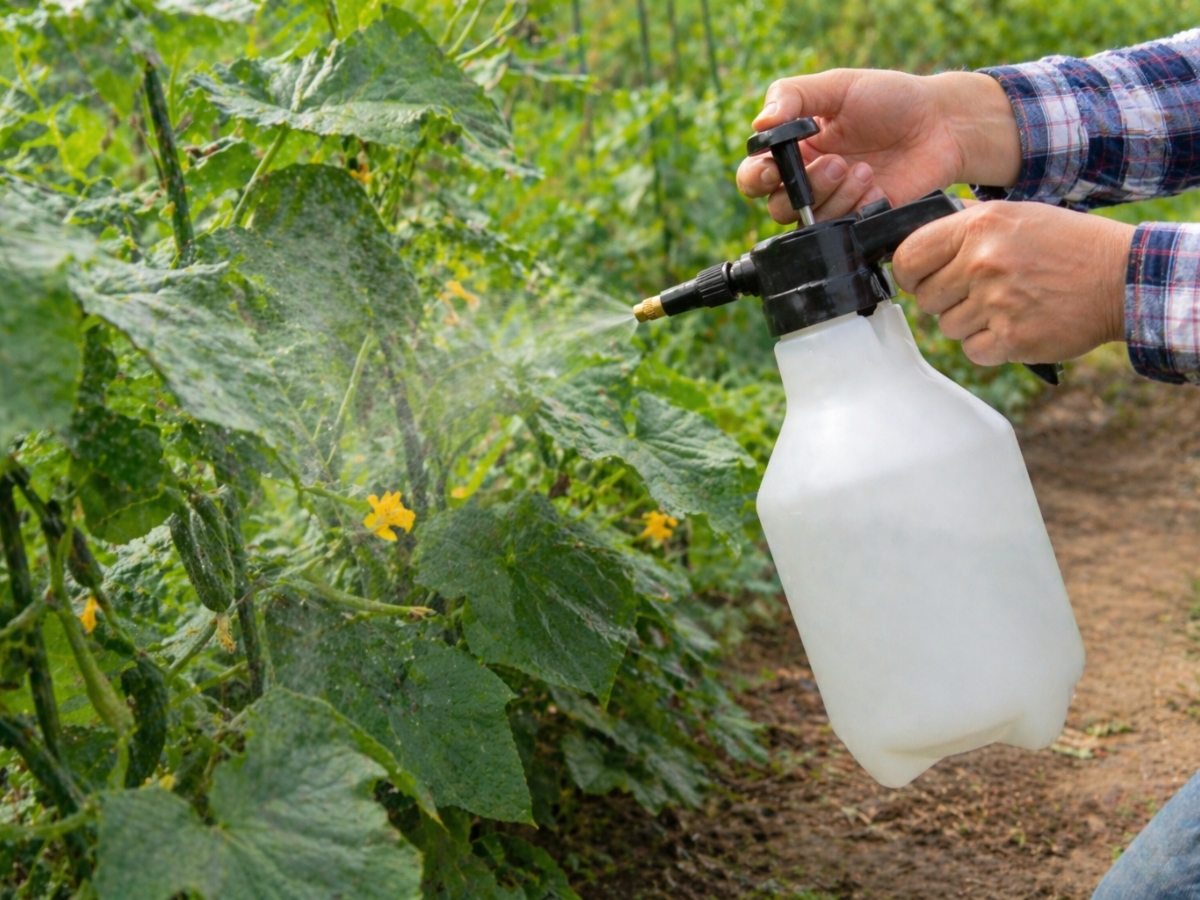
Keeping pests under control in a home garden requires a balanced approach rather than relying on a single solution. This is where pest management becomes most effective.
Instead of reacting to every issue with the same method, gardeners can combine prevention, monitoring, and targeted treatments to maintain a healthier environment overall.
Integrated Pest Management, often referred to as IPM, is a practical framework that brings these elements together. It focuses on understanding the root cause of pest problems and responding in ways that are both effective and sustainable.
This might include improving soil conditions, adjusting watering habits, or introducing natural controls before considering more intensive measures.
What Are The Benefits Of Organic Pest Control Compared To Chemical Pesticides?
Organic pest control methods appeal to many gardeners because they work with the natural ecosystem rather than disrupting it. One of the biggest advantages is safety.
These methods are generally less harmful to people, pets, and beneficial insects that play an important role in garden health.
Another key benefit is how organic approaches support long-term plant resilience. Healthy soil and balanced ecosystems make it harder for pests to take hold in the first place. Over time, this reduces the need for repeated treatments and helps create a more stable growing environment.
Chemical pesticides, while sometimes effective in the short term, can eliminate both harmful and beneficial insects at the same time.
This can lead to a cycle where pests return quickly because their natural predators are no longer present. In contrast, organic pest management strategies aim to maintain that balance, allowing the garden to regulate itself more effectively.
Simple solutions like insecticidal soap can address specific problems without overwhelming the entire ecosystem. When used correctly, these treatments provide targeted relief while preserving the broader health of the garden.
How Can Beneficial Insects Support Pest Management Naturally?
One of the most effective ways to manage pests is by encouraging natural predators to do the work for you. Beneficial insects are a cornerstone of sustainable pest management because they actively reduce pest populations without the need for constant intervention.
Ladybugs are a well-known example, feeding on aphids and helping to keep their numbers under control. Lacewings offer similar benefits, particularly in gardens where soft-bodied pests are common. By creating an environment that attracts these insects, you can reduce the need for manual or chemical treatments.
This often comes down to planting choices and garden design. Flowers that provide nectar and pollen can draw beneficial insects into your space, while diverse plantings create a more supportive habitat overall. Once established, these natural helpers continue to contribute to pest control throughout the growing season.
What Role Do Natural Materials And Treatments Play?
Beyond insects, certain natural materials can also play a role in controlling pests. Diatomaceous earth, for example, is commonly used to target crawling insects. It works by affecting their outer layer, making it a useful option for specific problem areas.
Natural remedies tend to be most effective when used thoughtfully and in combination with other strategies. Rather than applying treatments across the entire garden, focusing on affected areas helps maintain balance while still addressing the issue.
Creating A Sustainable Approach To Pest Management
The most reliable results come from combining these methods into a consistent routine. Observing your plants regularly, supporting beneficial insects, and using natural treatments when needed all contribute to a stronger system.
Over time, this approach to pest management reduces the frequency and severity of infestations. Instead of constant intervention, the garden becomes more self-sustaining, making it easier to maintain healthy plants with less effort.
How Does Yard Clean-Up And Maintenance Prevent Garden Pest Infestations?
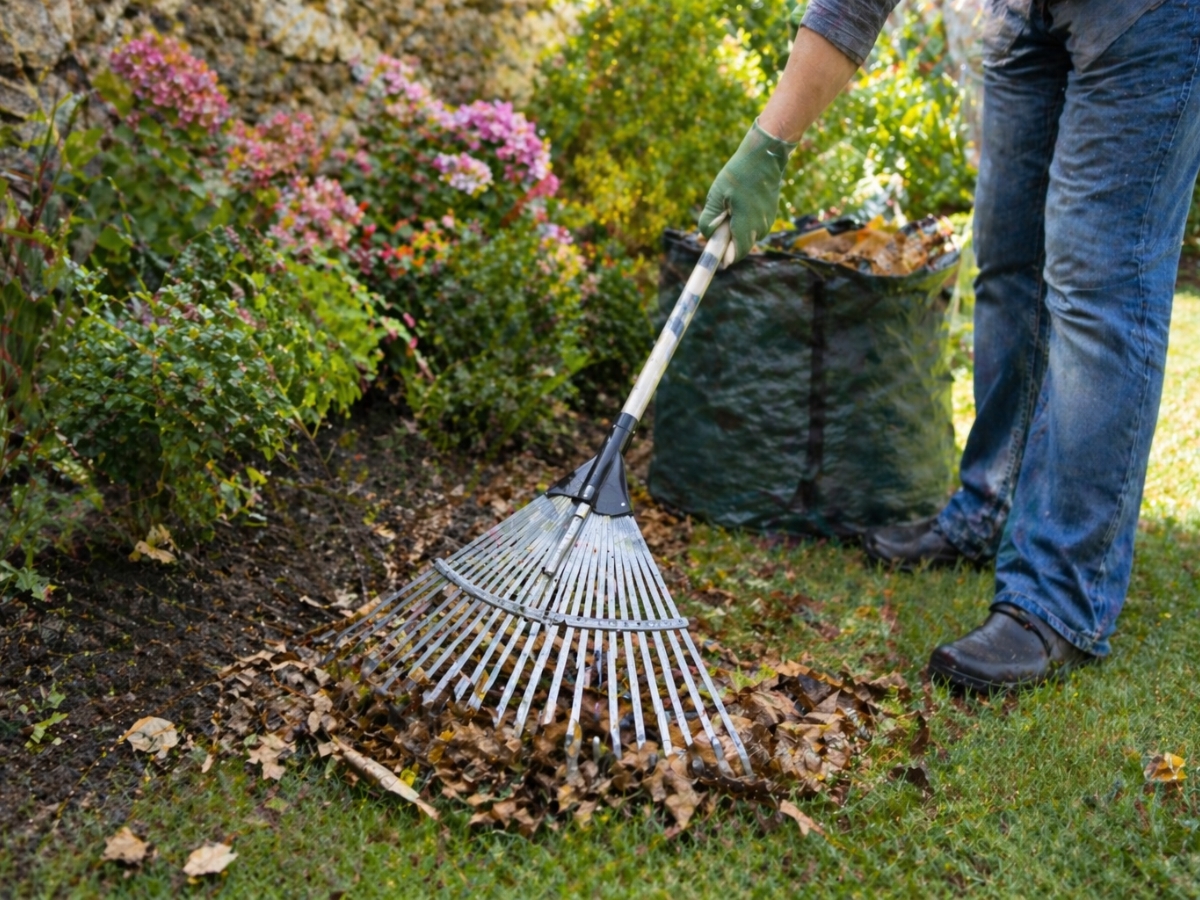
A well-maintained garden naturally discourages pests before they become a serious problem. Regular clean-up plays a key role in pest management because it removes the conditions that pests rely on to survive and multiply.
When fallen leaves, overgrown plants, and leftover debris are allowed to build up, they create sheltered spaces where insects can hide, breed, and spread. Keeping your garden tidy makes it less inviting to unwanted pests.
Simple habits like clearing out dead plant matter, trimming back dense growth, and keeping pathways open can reduce the number of places pests can settle. Over time, this consistent approach lowers the chances of recurring infestations and makes the garden easier to manage overall.
Why Is Removing Pest Habitats And Diseased Plant Material Crucial?
Pests and plant diseases often go hand in hand, which is why removing affected material is so important. Diseased leaves, stems, and roots can act as a starting point for both infection and infestation. If they are left in place, the problem can quickly spread to nearby healthy plants.
By clearing out damaged or infected growth, you interrupt that cycle early. This not only limits the spread of disease but also reduces the number of pests that rely on weakened plants for food and shelter. In practical terms, it means healthier plants and fewer issues to deal with later in the season.
It also helps to think of your garden as an ecosystem. When unhealthy material is removed, you give stronger plants more space and resources to grow. That shift naturally supports better pest management, since thriving plants are more resistant to stress and less attractive to many common pests.
How Does Routine Maintenance Influence Pest Behavior?
Beyond basic clean-up, ongoing maintenance changes how pests interact with your garden. When plants are properly spaced and pruned, airflow improves, and moisture levels stay more balanced. These conditions make it harder for pests and fungal diseases to take hold.
Water management is another important factor. Overwatering can create damp environments that attract insects and encourage disease, while inconsistent watering can weaken plants. Finding the right balance helps maintain plant strength, which is a key part of long-term pest management.
Even small adjustments, like removing weeds regularly, can make a difference. Weeds often act as alternative hosts for pests, allowing them to survive even when your main plants are healthy. By keeping them under control, you limit those opportunities.
What Customized Landscaping Choices Support Long-Term Garden Health?
Thoughtful plant selection and garden design can prevent many problems before they begin. Choosing plants that are well-suited to your local climate reduces stress on the garden and makes it less vulnerable to pests.
Native or regionally adapted plants tend to perform better with fewer interventions, which supports a more stable growing environment.
Spacing and layout also matter. Crowded planting can trap moisture and restrict airflow, while a more open design helps keep conditions balanced. When combined with proper irrigation, this approach reduces the likelihood of disease and limits the environments where pests thrive.
Over time, these choices create a garden that works with natural systems instead of against them. Rather than relying on constant treatments, you build a space where pest management becomes part of the overall design.
Building A Preventive Approach To Pest Management
The most effective strategy is one that focuses on prevention first. Regular clean-up, consistent maintenance, and thoughtful landscaping all contribute to a healthier garden that is less prone to infestation.
When these practices are in place, pest management becomes more manageable and less reactive. Instead of dealing with recurring problems, you create a garden that stays balanced and resilient throughout the growing season.
When Should You Consult Landscaping Experts For Pest And Disease Prevention?
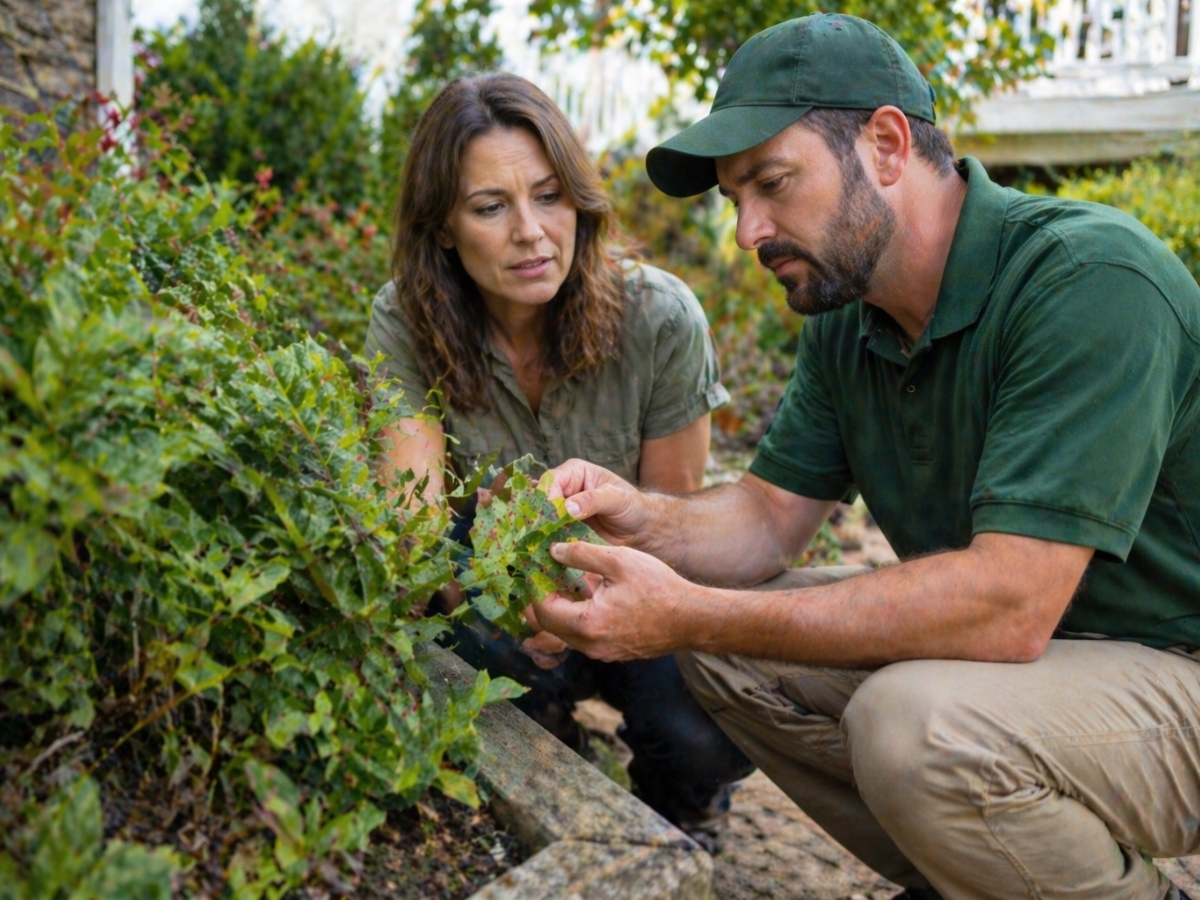
Most garden issues can be handled with routine care, but there are times when outside expertise makes a real difference. If pest problems keep returning despite your efforts, or if plant health continues to decline without a clear cause, it may be time to bring in a professional.
Persistent issues often point to underlying conditions that are not immediately visible, such as soil imbalance, drainage problems, or plant selection that does not match the environment.
Working with an expert allows you to step back and look at the bigger picture. Instead of focusing only on treating symptoms, professional guidance can help identify what is driving the problem and how to correct it in a lasting way.
This shift in approach strengthens overall pest management and reduces the need for repeated short-term fixes.
What Services Does Glover Landscapes Offer To Support Pest Control?
Glover Landscapes provides a range of services designed to improve garden health and reduce pest pressure over time. Their work goes beyond surface-level treatments by focusing on how the entire landscape functions.
This includes thoughtful landscape design, regular yard clean-up, and guidance on long-term pest management strategies. A well-designed landscape naturally limits the conditions that pests depend on.
For example, improving airflow, adjusting plant spacing, and managing water flow can all make a space less attractive to insects and disease.
Yard maintenance also plays a key role, as removing debris and maintaining plant health reduces hiding places and breeding grounds.
By combining these services, Glover Landscapes helps create an environment where pest issues are less likely to develop in the first place. This integrated approach supports a more balanced and sustainable garden.
How Can Professional Consultations Improve Long-Term Pest Resistance?
One of the main advantages of working with a landscaping expert is the ability to receive advice tailored to your specific property. Every garden is different, with its own soil conditions, light exposure, and drainage patterns. These factors all influence how pests and diseases behave.
During a consultation, a professional can evaluate these conditions and recommend adjustments that strengthen your garden over time.
This might include selecting plants that are better suited to your environment, improving irrigation practices, or redesigning certain areas to reduce stress on your plants.
These changes do not just address current issues. They help build natural resistance, making it harder for pests to establish themselves in the future. As a result, pest management becomes more about prevention than constant intervention.
What Situations Require Immediate Expert Attention?
While many issues develop gradually, some situations call for quicker action. Rapid plant decline, widespread discoloration, or signs of severe infestation can indicate a larger problem that needs to be addressed promptly.
In these cases, a professional can help prevent the issue from spreading further and affecting the entire garden. Another common reason to seek help is when multiple treatments have failed.
If natural remedies or standard approaches are not producing results, it often means the root cause has not been identified. An expert can provide a clearer diagnosis and recommend a more effective plan.
Creating A Stronger Foundation For Pest Management
Bringing in professional support is not just about solving immediate problems. It is about building a garden that is easier to maintain and more resilient over time. With the right combination of design, maintenance, and expert insight, pest management becomes a proactive process rather than a reactive one.
By addressing underlying conditions and making informed adjustments, you can create a healthier environment where plants thrive, and pest issues are far less common.
Conclusion
Effective pest and disease management is essential for maintaining a vibrant, thriving garden—protecting your plants from common threats like aphids, powdery mildew, and fungal infections.
By combining prevention strategies such as proper spacing, healthy soil, and regular monitoring with targeted, eco-conscious treatments, you can keep your landscape beautiful without harming beneficial insects or the environment.
For expert guidance and professional landscape care tailored to Georgia’s unique growing conditions, trust Glover Landscapes. Ready to enjoy a healthier, more resilient garden?
Call (404) 510-6437 or visit our website for a free estimate on your landscaping project. Let our team help you cultivate a lush, pest-resistant outdoor space you’ll love year after year.