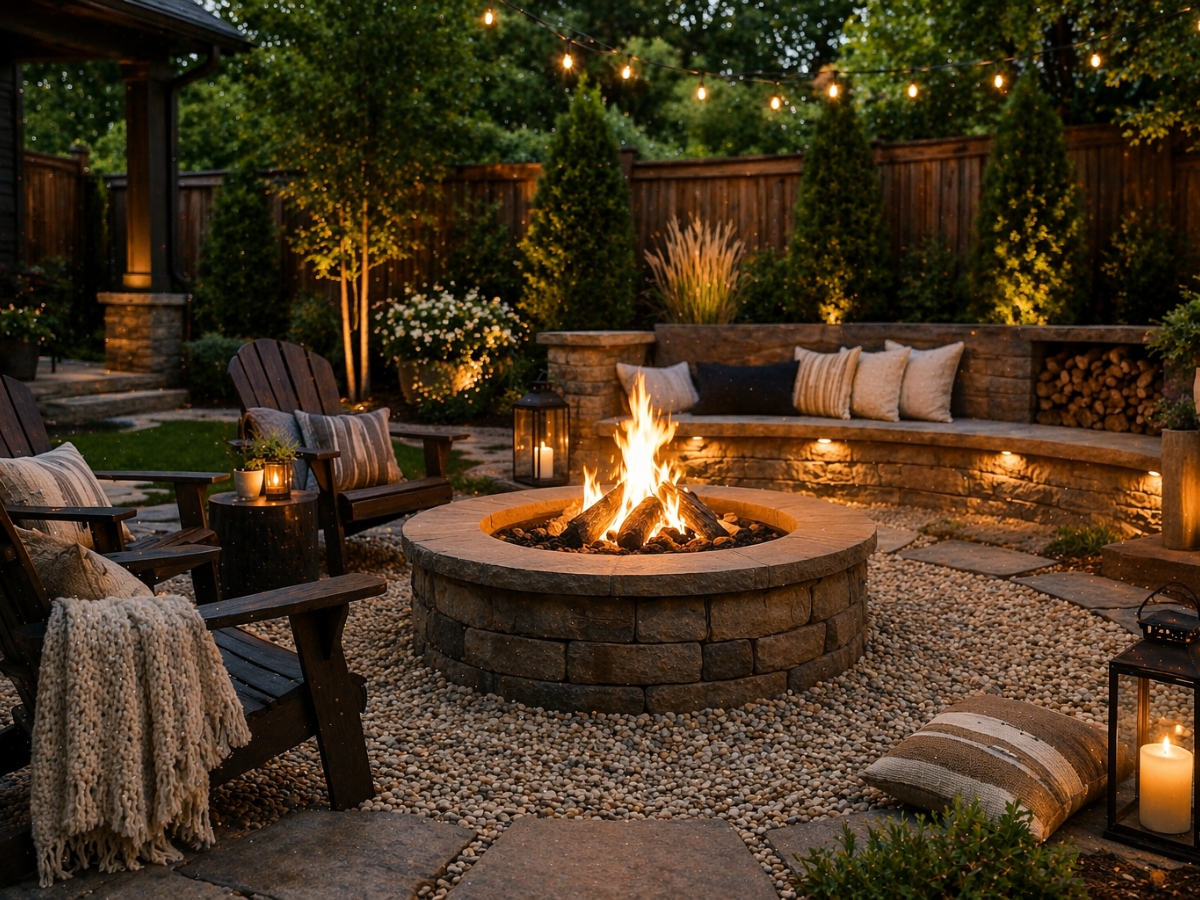
A fire pit can instantly change how your backyard feels, turning it into a place where people gather, relax, and stay a little longer. But a great fire pit setup isn’t just about looks. It also needs to be safe, functional, and built to fit your space. Thoughtful fire pit design ideas for a safer, cozier backyard help you create that balance.
The right layout, materials, and placement can improve airflow, manage heat, and reduce risks while still delivering a warm, inviting atmosphere. Seating arrangements, surface choices, and surrounding features all play a role in how comfortable and usable the space becomes.
With a well-planned fire pit design, your fire pit can become a reliable centerpiece that adds both comfort and peace of mind to your outdoor living area.
Fire Pit Design That Balances Style and Function
Understanding Fire Pit Safety And Why It Matters
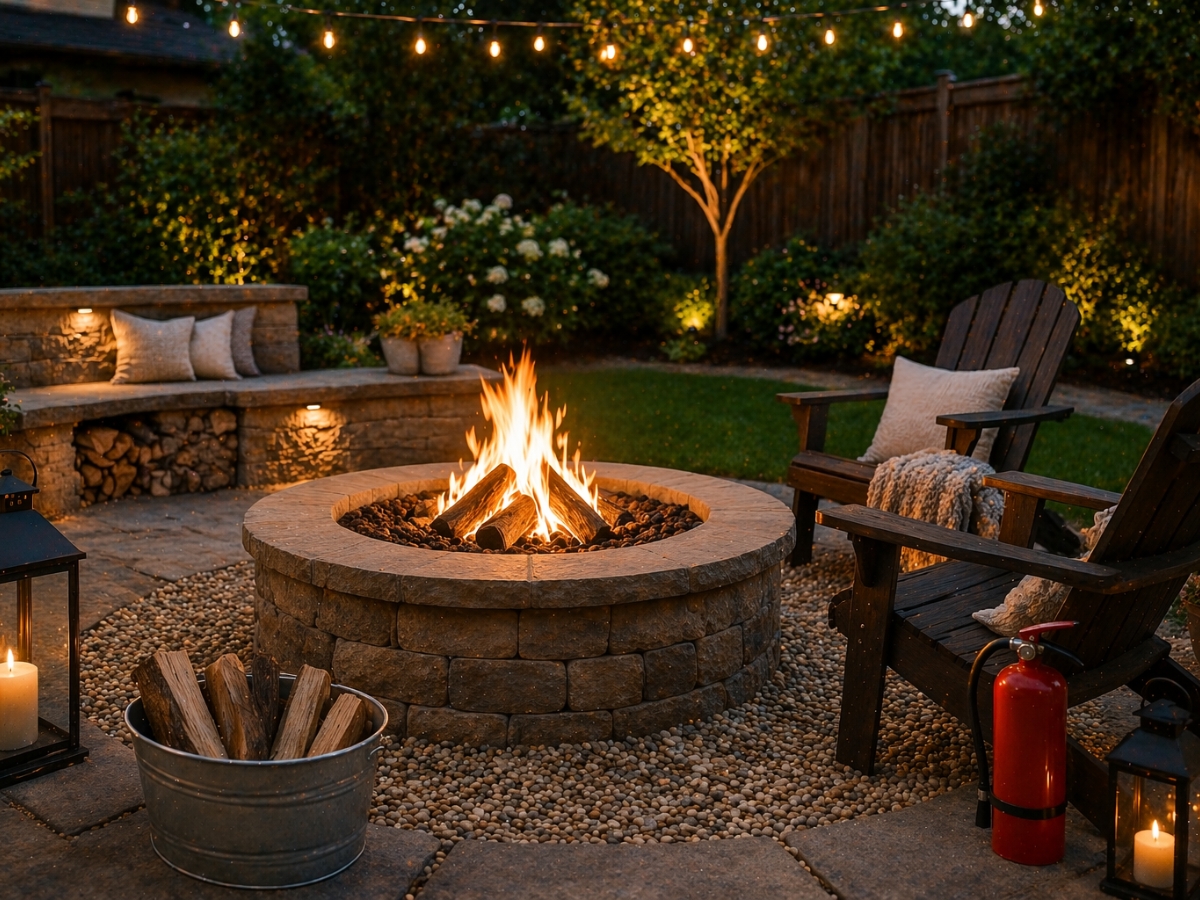
A well-planned fire pit design adds warmth and character to an outdoor space, but safety should always come first.
Fire features bring open flames into your yard, which means thoughtful placement and proper setup are essential. Taking the time to understand basic safety guidelines not only protects your home but also ensures your fire pit remains a place for relaxation rather than risk.
A safe setup starts with awareness. Knowing how heat, wind, and nearby materials interact with your fire pit helps you make better design decisions from the beginning. When safety is built into your fire pit design, it becomes easier to enjoy your space with confidence.
How Distance Impacts Fire Pit Placement
One of the most important factors in fire pit safety is distance. In most cases, a fire pit should be positioned at least 10 feet away from structures such as your home, fences, or outdoor furniture. This buffer zone reduces the chance of sparks or heat reaching flammable surfaces.
However, distance is not just about measurement. Wind direction plays a role in how embers travel, and certain materials may require additional space. For example, wooden decks or dry landscaping may call for more cautious placement. A thoughtful fire pit design considers not only the layout of your yard but also how environmental conditions can change throughout the year.
Proper spacing also improves comfort. Keeping the fire pit slightly removed from seating areas allows heat to circulate without becoming overwhelming, making the space more enjoyable for guests.
Navigating Local Codes And Permit Requirements
Before building or installing a fire pit, it is important to understand local regulations. Many areas have specific rules that govern outdoor fire features, especially permanent installations. These rules often address placement, fuel type, and overall construction standards.
Permits may be required depending on the size and structure of the fire pit. While this step can feel like an extra layer of work, it helps ensure that your fire pit design meets safety expectations set by local authorities. It also protects you from potential fines or the need to modify your setup later.
Regulations are typically based on broader building and fire codes, which exist to reduce fire-related risks in residential areas. Taking the time to review these guidelines before starting your project allows you to move forward with clarity and avoid unnecessary setbacks.
Designing With Safety In Mind From The Start
A strong fire pit design goes beyond appearance and includes practical safety features. Choosing non-combustible materials such as stone, brick, or concrete can significantly reduce fire hazards. These materials are better suited to handle high temperatures and provide a stable structure for your fire feature.
It is also important to think about the surrounding area. Keeping the space clear of debris, dry leaves, or overhanging branches helps maintain a safer environment. Incorporating features such as a fire screen or spark guard can add an extra layer of protection, especially in areas where wind is a concern.
Designing with safety in mind does not limit creativity. Instead, it gives you a solid foundation to build a space that is both visually appealing and functional. When safety considerations are addressed early, the final result feels intentional and well-balanced.
Creating A Safe And Enjoyable Outdoor Experience
At its core, a fire pit is meant to bring people together. Whether you are hosting gatherings or enjoying a quiet evening outdoors, the experience should feel comfortable and worry-free. A carefully planned fire pit design makes that possible by reducing risks and improving usability.
By combining proper placement, awareness of local regulations, and thoughtful material choices, you create an outdoor space that is both safe and inviting. Over time, these decisions contribute to a space that not only looks great but also stands up to regular use.
Taking a proactive approach to safety ensures that your fire pit remains a reliable and enjoyable part of your outdoor living area for years to come.
Choosing Materials That Support A Safe Fire Pit Design
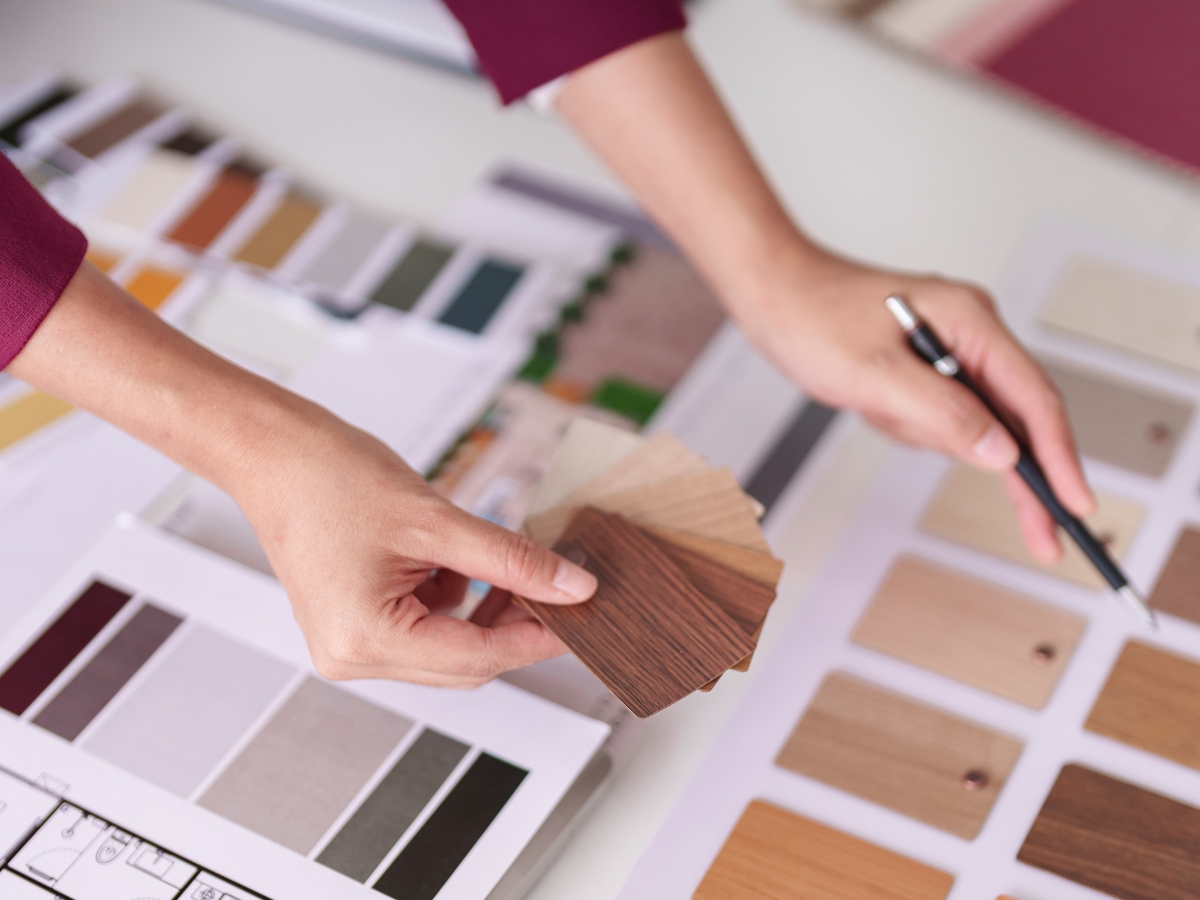
The materials you choose play a major role in how well your fire pit performs over time. A thoughtful fire pit design is not just about appearance. It also depends on selecting materials that can handle repeated exposure to heat, weather, and daily use.
Durability should be the starting point. Outdoor fire pits are constantly exposed to temperature changes, moisture, and debris. Materials that are not designed for these conditions can crack, warp, or deteriorate quickly. By focusing on heat-resistant and weather-tolerant options, you create a foundation that lasts and reduces the need for repairs.
A well-built fire pit design also improves safety. Strong materials help contain the fire properly, preventing heat from spreading to surrounding areas. This makes your outdoor space more reliable and easier to maintain.
Best Materials For Heat Resistance And Longevity
When it comes to performance, some materials consistently stand out. Steel is a popular choice because it offers strength and can withstand high temperatures without breaking down easily. It works well for modern fire pit designs and is often used in portable or built-in options.
Cast iron is another reliable material, known for its ability to retain heat. This means it continues to radiate warmth even after the fire has settled, which can make your outdoor space more comfortable during cooler evenings. However, it does require proper care to prevent rust over time.
Stone is often chosen for its balance of durability and visual appeal. Natural stone or concrete-based materials can handle intense heat while blending seamlessly into outdoor landscapes. This makes stone a strong option for permanent installations where both function and style matter.
Each of these materials brings something different to a fire pit design, so the best choice often depends on how you plan to use the space and the overall look you want to achieve.
How Fire Pit Types Influence Design Decisions
Beyond materials, the type of fire pit you choose also affects both safety and usability. Wood-burning fire pits are known for their traditional feel.
They create the familiar sound and scent of a natural fire, which many homeowners enjoy. At the same time, they require more attention, including proper ventilation, ash cleanup, and careful monitoring while in use.
Gas and propane fire pits offer a more controlled experience. They are easier to start and maintain, and they typically produce less smoke. This makes them a practical option for homeowners who want a cleaner and more convenient setup. However, they may require professional installation to ensure proper connections and safe operation.
The choice between these options often comes down to how you want to use your outdoor space. A well-planned fire pit design considers both lifestyle and maintenance preferences, not just visual appeal.
Balancing Aesthetics With Practical Function
Designing a fire pit is about more than choosing materials and fuel types. It is about creating a space that feels intentional and works well in everyday use. The shape, size, and placement of the fire pit all influence how the area functions.
For example, a larger built-in fire pit may serve as a central gathering point, while a smaller portable option offers flexibility. The surrounding materials, such as seating and ground surfaces, should complement the fire pit while remaining safe and heat-resistant.
A cohesive fire pit design connects these elements so the space feels comfortable and easy to use. When materials, layout, and function all work together, the result is an outdoor feature that enhances both the look and usability of your yard.
Building A Fire Pit That Lasts
In the end, a durable and safe fire pit comes down to thoughtful planning. Choosing the right materials, understanding how different fire pit types perform, and designing with real-world use in mind all contribute to a better outcome.
By focusing on these factors, you create a fire pit design that not only looks appealing but also holds up over time. It becomes a reliable part of your outdoor space, offering warmth, comfort, and a place to gather without constant upkeep or concern.
Designing A Comfortable And Inviting Fire Pit Area
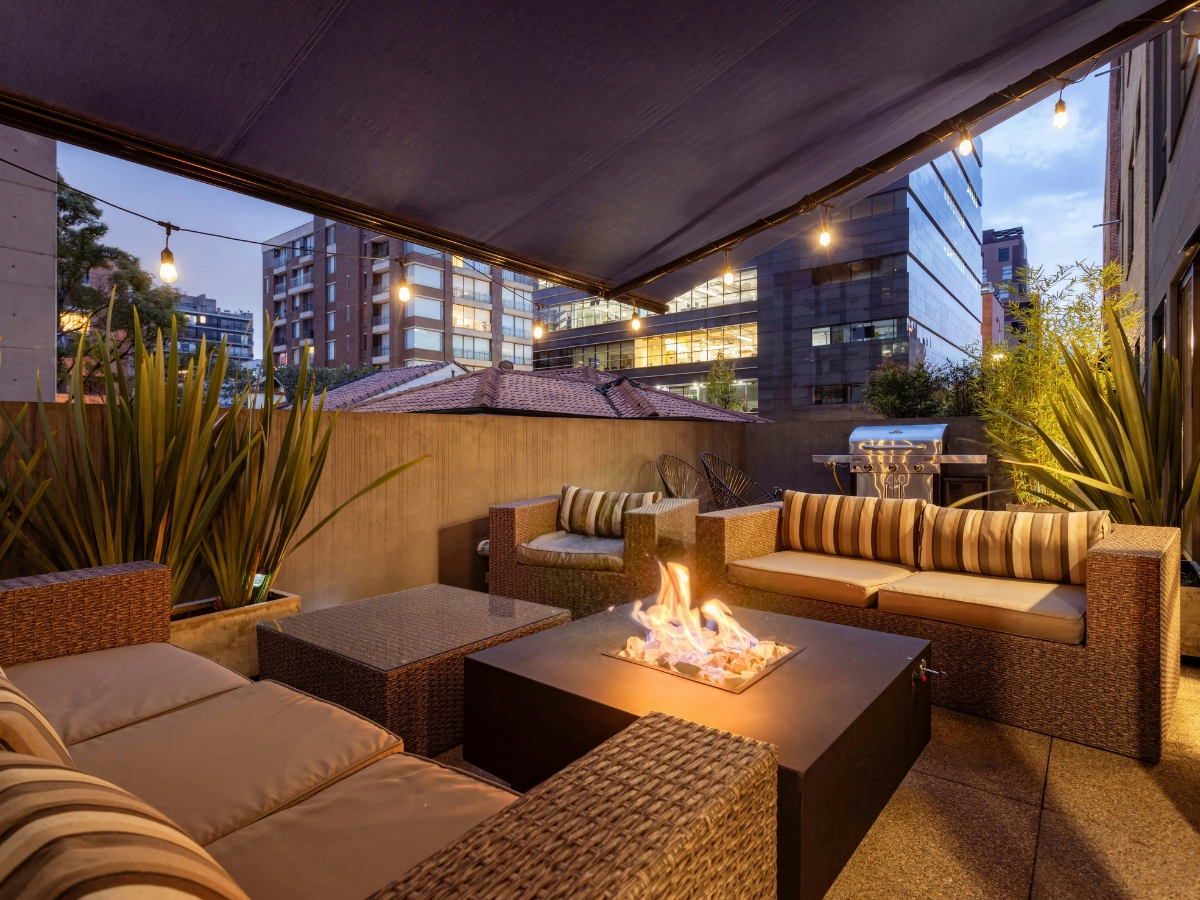
A well-thought-out fire pit design goes beyond the structure itself. The surrounding seating and lighting play a major role in how the space feels and functions. When these elements are planned carefully, the fire pit becomes more than a feature. It turns into a place where people naturally gather, relax, and stay longer.
Comfort is just as important as safety. The goal is to create an environment that feels welcoming while still allowing enough space for heat to circulate and for people to move around easily. With the right layout, your fire pit design can support both conversation and relaxation without feeling crowded.
Creating Seating That Balances Comfort And Safety
Seating placement is one of the most important decisions in any fire pit design. A circular or semi-circular layout works well because it naturally encourages conversation while keeping everyone at a consistent distance from the fire.
In most cases, placing seating at least three feet away from the flames provides a good balance between warmth and safety.
The type of seating you choose also matters. Outdoor chairs, benches, or built-in seating should be sturdy and designed for exterior use.
Materials that can handle occasional heat exposure are a better choice, especially if the fire pit is used frequently. Cushions can add comfort, but they should be made from outdoor fabrics that resist heat and moisture.
Spacing between seats is another detail that often gets overlooked. Leaving enough room for people to move freely helps the area feel more relaxed and prevents the space from becoming too tight when multiple guests are present. A thoughtful fire pit design considers how people will interact with the space, not just how it looks.
Using Lighting To Shape The Atmosphere
Lighting plays a different role than the fire itself. While the flames provide a natural glow, additional lighting helps define the space and improves visibility. The key is to enhance the atmosphere without overpowering the fire pit.
Soft lighting options such as string lights or low-profile garden lights can create a warm and inviting feel. These types of lighting work well because they add brightness without competing with the fire.
Lanterns placed around the seating area can also provide gentle illumination that feels consistent with the overall design.
Placement is just as important as the type of lighting. Keeping lights slightly removed from the fire pit reduces the risk of heat exposure while still allowing the space to remain well-lit. A layered approach, where lighting is spread throughout the area rather than concentrated in one spot, tends to feel more natural and balanced.
Blending Function With Visual Appeal
A strong fire pit design connects seating and lighting in a way that feels intentional. The goal is not just to add these elements, but to make them work together. For example, lighting can highlight seating areas or pathways, guiding movement through the space while maintaining a relaxed atmosphere.
Color and material choices also contribute to the overall experience. Neutral tones and natural textures often complement the warmth of a fire pit, while subtle lighting enhances those details without drawing too much attention. When everything is aligned, the space feels cohesive rather than pieced together.
Making The Space Work For Everyday Use
Ultimately, the success of a fire pit design comes down to how it performs in real life. Seating should feel comfortable for extended use, and lighting should provide enough visibility without feeling harsh. Small adjustments, such as repositioning chairs or adding a few extra light sources, can make a noticeable difference.
By focusing on layout, comfort, and atmosphere, you create a fire pit area that people want to use regularly. It becomes a natural extension of your outdoor space, offering a balance of warmth, safety, and usability that holds up over time.
Why Ongoing Maintenance Matters For Fire Pit Design
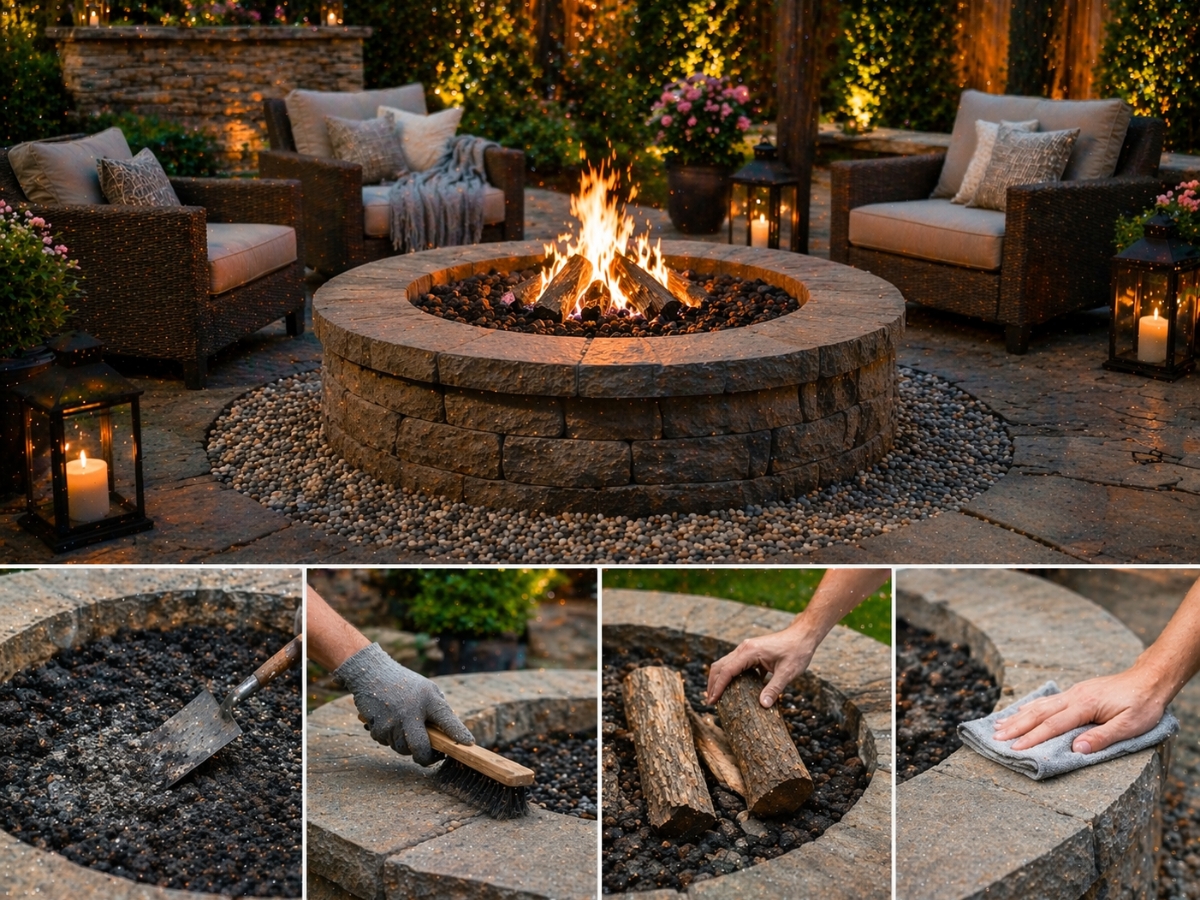
A well-built fire pit design is only part of the equation. Keeping it in good condition over time is what ensures it remains safe, functional, and enjoyable. Regular maintenance helps prevent small issues from turning into larger problems, especially when your fire pit is exposed to heat, weather, and frequent use.
Over time, even durable materials can show signs of wear. Ash buildup, moisture, and temperature changes can all affect performance. By making maintenance part of your routine, you protect your investment and keep your outdoor space ready for use throughout the year.
How Often To Inspect And Clean Your Fire Pit
Routine inspections are one of the simplest ways to maintain a safe fire pit design. Checking your fire pit at least once a month, especially during periods of frequent use, allows you to catch early signs of damage. Look for cracks in stone, rust on metal components, or loose parts that may need attention.
Cleaning is just as important. Removing ash and debris after each use keeps airflow consistent and reduces the risk of lingering embers. Over time, buildup can affect how the fire burns and may even create safety concerns if left unchecked.
It is also helpful to pay attention to the surrounding area. Leaves, twigs, and other debris can collect near the fire pit and increase fire risk. Keeping the space clear helps maintain both safety and the overall appearance of your outdoor setup.
Safe Practices For Everyday Fire Pit Use
Using your fire pit responsibly is key to maintaining both safety and longevity. The type of fuel you use plays a role in how cleanly and efficiently the fire burns. Dry, seasoned wood is typically the best option for wood-burning fire pits, as it produces less smoke and fewer sparks.
It is also important to be prepared for unexpected situations. Keeping a water source, hose, or fire extinguisher nearby provides peace of mind and allows you to respond quickly if needed. These simple precautions can make a significant difference in how safely your fire pit operates.
Supervision is another factor that should never be overlooked. Fire pits naturally attract attention, especially in social settings. Making sure children and pets are kept at a safe distance helps prevent accidents and keeps the experience enjoyable for everyone.
Protecting Materials From Weather And Wear
Beyond cleaning and daily use, protecting your fire pit from the elements is an important part of long-term care. Exposure to rain and humidity can lead to rust or material breakdown, particularly for metal components. Using a weather-resistant cover when the fire pit is not in use can help extend its lifespan.
Seasonal changes also affect maintenance needs. Before the colder months, it may be helpful to inspect for any damage and make necessary repairs.
During warmer seasons, more frequent use may require more regular cleaning and monitoring. A thoughtful fire pit design takes these seasonal shifts into account and makes upkeep easier over time.
Maintaining A Fire Pit That Lasts
In the long run, consistency is what keeps a fire pit performing well. Regular inspections, proper cleaning, and safe operation all work together to support a durable and reliable setup. These habits do not require a significant time investment, but they have a noticeable impact on both safety and performance.
By taking a proactive approach, your fire pit design remains a dependable part of your outdoor space. It continues to provide warmth and comfort without the need for constant repairs or adjustments, allowing you to enjoy it with confidence whenever the occasion calls for it.
Integrating Fire Pit Design Into Your Landscape
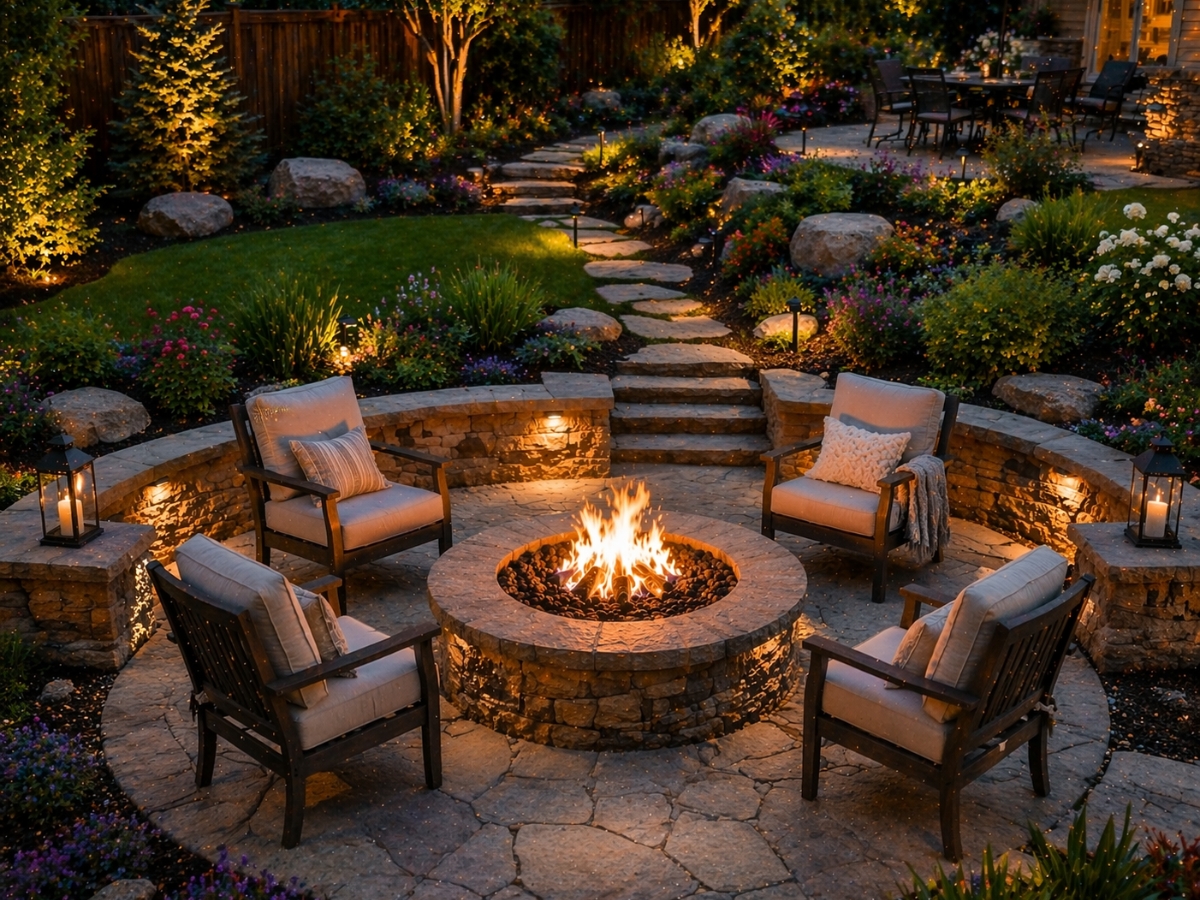
A successful fire pit design should feel like a natural extension of your outdoor space rather than an afterthought.
When placed thoughtfully within your landscape, a fire pit can enhance both usability and visual appeal while maintaining a safe environment. The key is to consider how the fire pit interacts with surrounding elements such as pathways, plants, and seating areas.
Instead of isolating the fire pit, a well-planned layout connects it to the rest of the yard. This creates a more cohesive flow and makes the space easier to navigate. At the same time, proper spacing and material choices help reduce fire risks and improve long term functionality.
Using Landscaping Features To Support Safety
The materials and features around your fire pit play an important role in safety. Surfaces such as gravel, pavers, or natural stone create a stable base that can handle heat exposure and foot traffic. These materials also help define the fire pit area, making it clear where the space begins and ends.
Plant selection is another important factor. Choosing non-flammable or low-maintenance plants around the fire pit reduces the risk of accidental ignition. Keeping a clear buffer zone between the fire pit and surrounding greenery allows heat to dissipate more effectively and prevents overcrowding.
Design elements like low seating walls or raised planters can also add structure to the space. These features not only improve the visual layout but also create subtle boundaries that guide movement and encourage safe use. A thoughtful fire pit design uses landscaping to reinforce both comfort and protection.
Creating A Balanced Outdoor Layout
Beyond safety, integrating a fire pit into your landscape is about creating balance. The fire pit should complement the scale and style of your yard rather than dominate it. For example, a larger backyard may support a built-in fire pit with surrounding seating, while a smaller space might benefit from a more compact design.
Pathways leading to the fire pit can improve accessibility and prevent wear on grass or softer surfaces. These pathways also help organize the space, making it easier for guests to move around without stepping too close to the fire.
Lighting can further enhance this layout by highlighting walkways and seating areas. When combined with a well-placed fire pit, these elements work together to create an outdoor space that feels both functional and inviting.
How Professional Design Improves Placement And Performance
While many homeowners can plan a basic layout, professional landscape design brings a deeper level of insight.
Designers evaluate factors such as terrain, drainage, and wind patterns to determine the best placement for a fire pit. These details may not be immediately obvious but can have a significant impact on safety and usability.
A professional approach to fire pit design also ensures that materials, spacing, and surrounding features work together as a unified system.
This results in a space that not only looks polished but also performs well under regular use. In addition, designers can help align your project with local guidelines, reducing the likelihood of issues later on.
Building A Cohesive And Functional Outdoor Space
At its best, a fire pit becomes a central feature that ties your outdoor space together. Achieving this requires more than choosing the right materials or layout. It involves thinking about how people will use the space, how elements connect, and how safety is maintained over time.
By integrating your fire pit design with the surrounding landscape, you create a space that feels intentional and easy to enjoy. The result is an outdoor area that supports gatherings, relaxation, and everyday use without compromising on safety or comfort.
Conclusion
A thoughtfully designed fire pit does more than provide warmth—it creates a natural gathering place that extends the usability of your backyard well into the cooler months.
By choosing the right materials, location, and safety features, you can enjoy the ambiance of an outdoor fire while protecting your family, guests, and property. For expert design and installation of custom fire features that blend beauty with safety, trust Glover Landscapes.
Ready to transform your backyard into a cozy retreat? Call (404) 510-6437 or visit our website for a free estimate on your landscaping project. Let our team help you build a fire pit that becomes the heart of your outdoor living space, season after season.