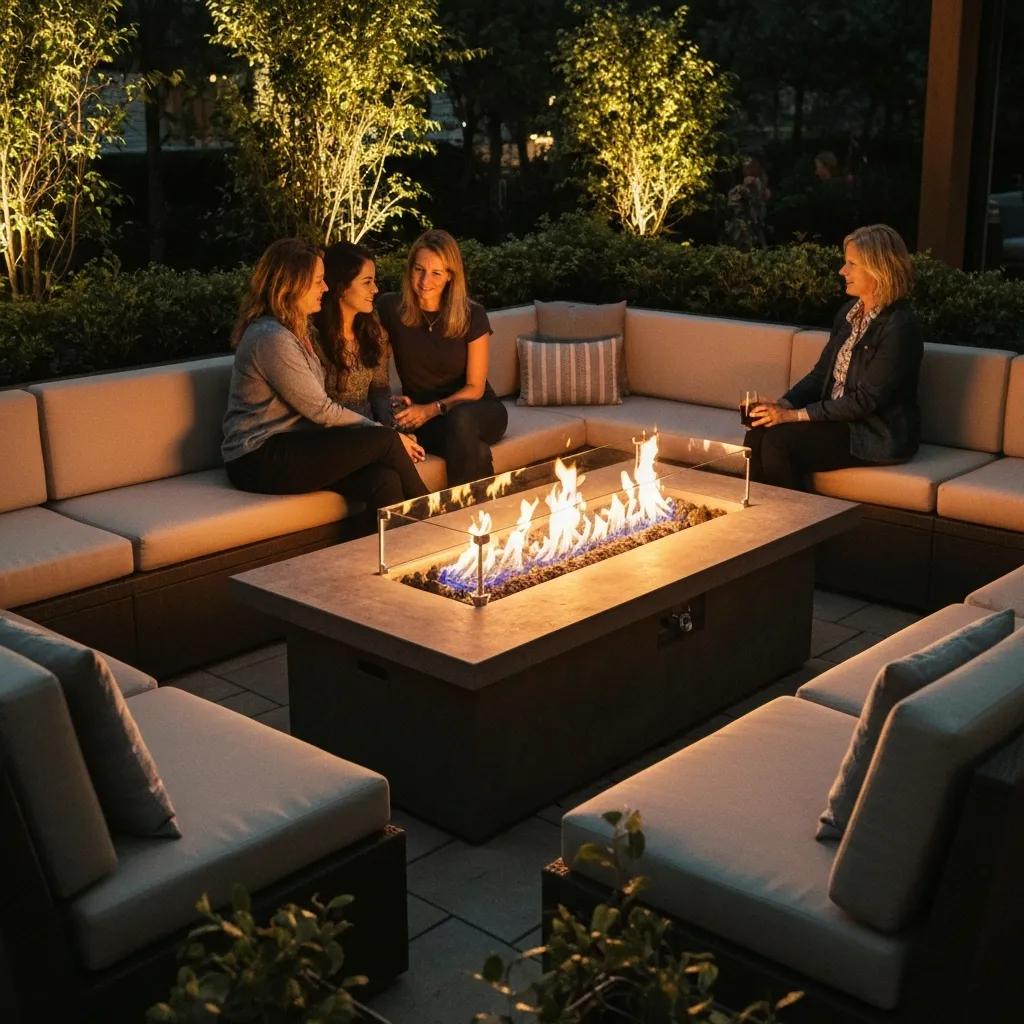
Integrating outdoor fire features in Atlanta business spaces is a powerful way to create an inviting, versatile atmosphere that attracts customers, encourages longer visits, and strengthens brand appeal. From cozy fire pits on restaurant patios to elegant fire tables in hotel lounges or corporate courtyards, these elements provide warmth, ambiance, and a natural gathering point that elevates the overall customer experience.
In this blog post, we’ll explore how fire features can transform commercial properties in Atlanta—enhancing aesthetics, supporting four-season usability, and fostering a sense of community that turns casual visitors into loyal patrons.
Outdoor Fire Features in Atlanta That Make Your Business Space Unforgettable
Why Atlanta Businesses Should Invest in Outdoor Fire Features

For many local restaurants, hotels, and mixed-use properties, outdoor fire features in Atlanta are one of the most effective ways to turn an ordinary patio into a space guests actually seek out. A well designed fire element does three things at once. It lifts the atmosphere, keeps people comfortable longer, and sets your patio apart from nearby competitors. When guests feel warm and relaxed, they are more likely to order another drink, share dessert, or stay for an extra round, which quietly increases revenue per visit.
From a business standpoint, outdoor fire features in Atlanta also extend the useful life of your outdoor seating. Instead of shutting the patio down as soon as evenings cool off, you can keep tables in play throughout more of the year. Even a modest increase in average dwell time or a handful of additional seated evenings each month can add up over a full season, especially in hospitality settings. Beyond direct revenue, a well executed fire feature upgrades the perceived quality of the property itself, which can support stronger leasing interest and better guest reviews.
How Fire Features Improve Customer Experience And Atmosphere
Fire naturally draws people in. The combination of warmth, moving light, and the soft sound of a flame creates a focal point that encourages guests to sit, talk, and linger. In practice, this means seating tends to cluster around fire tables and fireplaces, giving you built-in zones for groups, date nights, or small events. When the flame becomes the visual center of the patio, it also becomes a backdrop for photos and social media posts, which can amplify your brand without any extra marketing spend.
Comfort plays a big role here. On cooler evenings, guests will often choose a venue where they know they can sit outside without feeling chilled. Radiant heat from a fire feature keeps shoulders and hands warm, which helps people stay relaxed and engaged instead of rushing through a meal. Thoughtful design choices around height, flame visibility, and sightlines ensure that the fire enhances the space instead of blocking views or interrupting traffic. Over time, these small details contribute to higher satisfaction scores and a reputation for having one of the best patios in the neighborhood.
How Fire Features Extend Usable Outdoor Space And Patio Season
Atlanta’s climate offers a long outdoor season, but shoulder months and cooler nights can still make patios feel underused. Fire features change that equation by adding reliable warmth and soft, ambient light that makes exterior seating feel comfortable earlier in spring and later into fall. Gas or propane systems with known output let you plan for specific square footage, while built-in fireplaces can create sheltered zones that stay inviting even when temperatures drop.
Extending the patio calendar by several weeks on each side of peak season can translate into many additional service hours. Restaurants might host more evening events outside, hotels can open up outdoor lounges for longer, and mixed-use properties can program community nights around the fire rather than indoors. When you estimate potential added covers or bar sales against the installation and operating costs, the business case often becomes clear.
At the same time, more owners are weighing environmental and operating impacts. Traditional propane heaters are simple to deploy but can be less efficient over time. Newer solutions, including high efficiency gas systems and integrated fire features designed as part of a broader outdoor heating plan, can reduce waste while still meeting guest expectations for comfort. By pairing a well chosen fire feature with thoughtful zoning and controls, Atlanta businesses can keep patios active in a way that supports both revenue goals and longer term sustainability targets.
Elevating Atlanta Businesses with Captivating Outdoor Fire Features
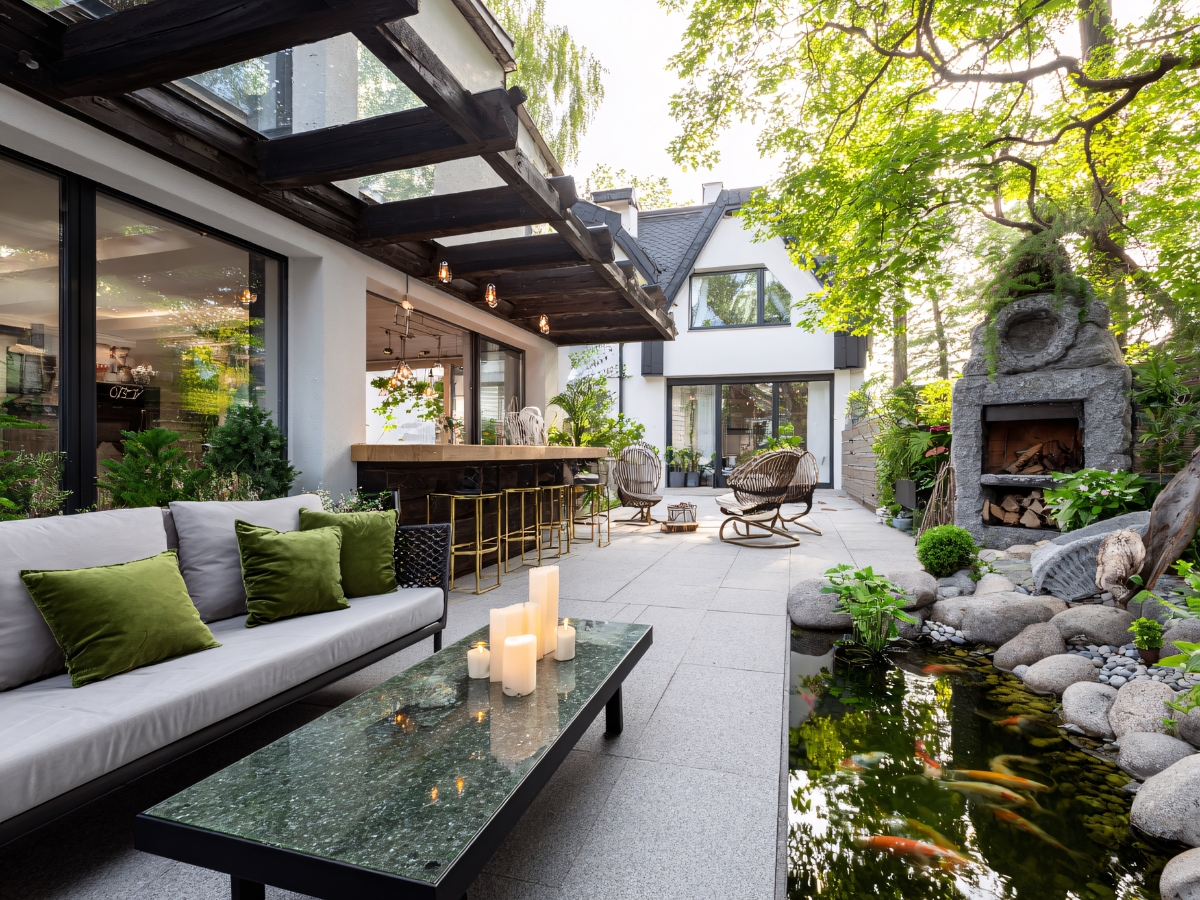
When businesses start exploring outdoor fire features in Atlanta, one of the first decisions is which type of system fits the property and the way the space is used. The right solution depends on how often the feature will run, how much maintenance staff can realistically handle, what kind of atmosphere the brand wants to create, and any site or permitting constraints. Most commercial projects focus on gas, propane, or wood-burning fire pits, along with linear outdoor fireplaces and fire tables that pair easily with dining and lounge seating.
Gas systems are the workhorse option for many restaurants, hotels, and mixed-use patios. They connect to a fixed gas line, offer clean-burning flames, and give precise control with simple on and off operation, which is ideal when staff need to manage multiple zones during a busy service. Propane units bring similar visual effect but remain more flexible in placement. Because they rely on refillable cylinders rather than buried fuel lines, they work well where infrastructure is limited or the layout may change for events.
Wood-burning pits sit at the opposite end of the spectrum. They provide a traditional campfire feel with crackle, smoke, and embers that suit rustic, lodge-style, or outdoor adventure brands. The tradeoff is that they typically require more cleaning, more attention to fuel storage, and closer coordination with local fire and building officials.
A simple comparison highlights the core differences:
| Feature Type | Key Characteristic | Commercial Consideration |
|---|---|---|
| Gas fire pit | Clean, controllable flame | Low daily maintenance, fixed gas line required |
| Propane pit | Flexible placement | Portable solution, ongoing cylinder management and refills |
| Wood-burning pit | High ambiance and smoky aroma | More maintenance, often stricter permitting and oversight |
Linear burners and built-in fire tables add another layer of choice. They tuck neatly along walls, bar fronts, or dining zones, creating long lines of flame that are easy to integrate into circulation paths and table layouts. For many properties investing in outdoor fire features in Atlanta, a mix of fixed gas elements and flexible event-driven pieces gives the best balance of atmosphere and operations.
Benefits Of Gas, Wood-Burning, And Propane Commercial Fire Pits
Each fuel type supports a slightly different approach to guest experience and day-to-day management. Gas fire pits are popular because they deliver consistent heat and flame on demand, shed very little debris, and keep staff time focused on guests rather than tending fires. Controls can often be tied to simple timers or zones, which helps operators manage energy use while still offering a welcoming atmosphere during core hours.
Propane systems are especially useful for properties that regularly reconfigure their outdoor layouts. Event venues, rooftop bars, and mixed-use courtyards can move propane fire features to frame a stage one week and anchor lounge seating the next. The price for that flexibility is the need to track, store, and refill cylinders safely, which requires clear internal procedures.
Wood-burning pits offer the richest sensory experience. The sound of logs, the changing light as embers settle, and the familiar scent of wood smoke can be a strong differentiator for brands that want a more immersive, outdoorsy feel. These benefits come with additional maintenance, more frequent cleaning, and closer scrutiny from code officials. As a result, wood fires tend to work best for niche venues that can support the extra attention they demand.
How Outdoor Fireplaces And Fire Tables Add Practical Value
Beyond stand-alone pits, outdoor fireplaces and fire tables play a specific role in shaping how people move through and use a space. An outdoor fireplace often acts as an architectural anchor, defining a primary gathering zone and creating a visual terminus for sightlines across a patio or courtyard. It can frame signage, highlight a logo, or simply serve as a recognizable meeting point that guests remember and talk about later.
Fire tables sit closer to dining height and integrate directly with food and beverage service. Guests can rest drinks and small plates on the surface while enjoying the warmth and visual interest of the flame. This makes them particularly effective for patios where operators want to encourage longer stays during cool evenings without sacrificing table function. When these elements are specified in finishes that match the rest of the project, such as stone, precast concrete, or stainless and glass, they reinforce the overall brand position, from casual neighborhood spot to upscale rooftop lounge.
Planned thoughtfully, fireplaces and fire tables help increase the usable hours and perceived quality of outdoor areas. They support higher average checks, create more bookable zones for events, and strengthen the overall identity of the property. For businesses evaluating outdoor fire features in Atlanta, combining the right fuel type with the right form factor turns a simple amenity into a long-term asset for both guest experience and revenue.
How Design And Installation Ensure Safe, Durable Fire Features For Atlanta
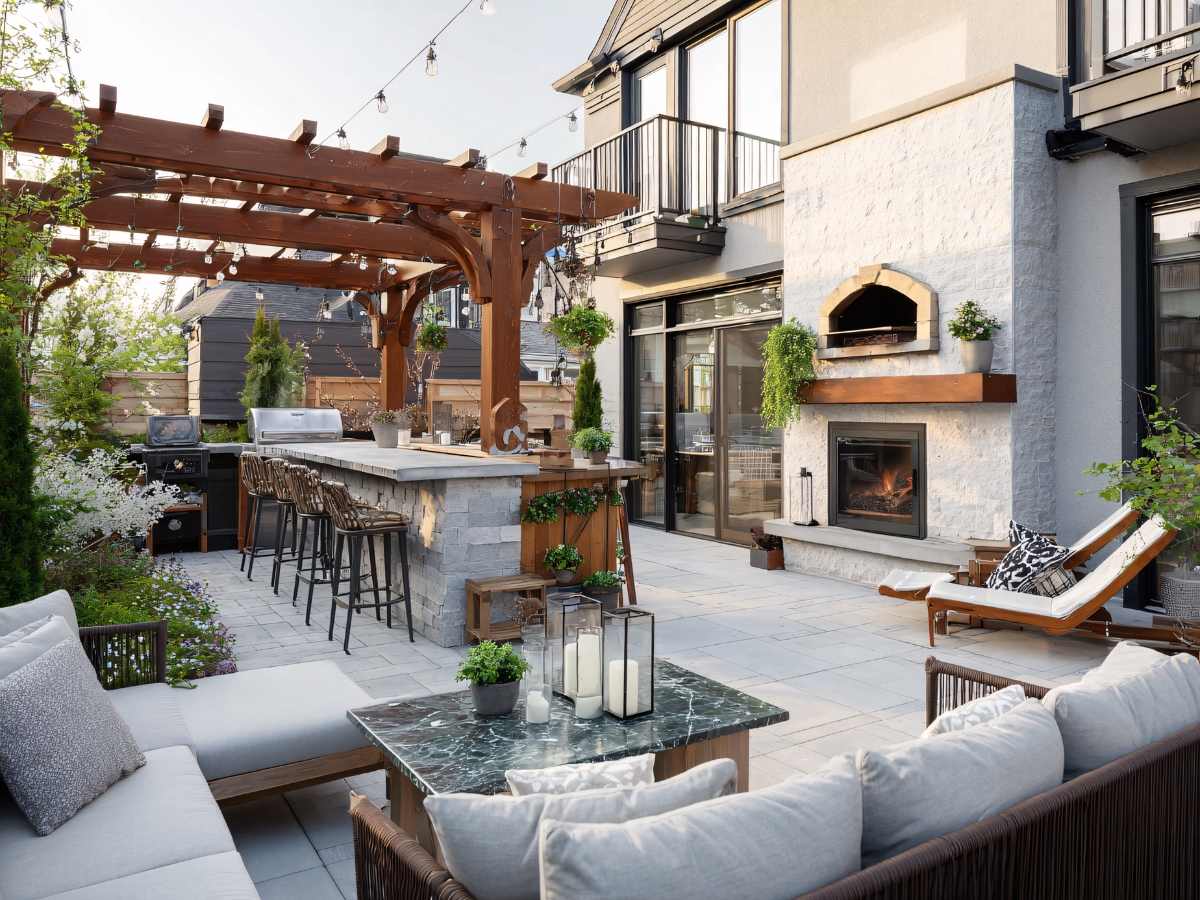
For commercial properties that are serious about outdoor fire features in Atlanta, a disciplined design and installation process is what separates a long-lasting asset from a constant maintenance problem. A well run project usually moves through clear phases: site assessment, design, permitting, installation, and final inspection. Each step shapes safety, durability, and how smoothly the feature fits into everyday operations.
Site assessment comes first. At this stage, the team documents setbacks, traffic patterns, existing utilities, and nearby structures. Those details determine whether a linear burner, central pit, or full fireplace makes sense for the footprint and how close it can sit to seating, landscaping, and building walls. From there, designers size burners, set safety setbacks, and select materials that can handle both heat and heavy commercial use. Heat rated masonry, stainless steel burners, and commercial grade controls may cost more upfront, but they usually reduce lifecycle repairs for busy patios and rooftops.
Permitting runs in parallel with design refinement. Installers must coordinate gas or propane approvals, confirm clearances from combustibles, and schedule inspections so work is signed off without last minute surprises. Owners who are also upgrading hardscape, lighting, or seating should expect the fire feature schedule to tie into those improvements. A simple timeline for most commercial projects looks like this:
| Phase | Required Inputs / Permits | Typical Duration / Note |
|---|---|---|
| Site assessment | Site plan, seating layout, utility locate | 1-2 weeks |
| Design and specifications | Materials, burner sizing, safety setbacks | 2-4 weeks |
| Permitting | Municipal permits, fuel approvals, inspections | 2-6+ weeks, depending on jurisdiction |
| Installation | Civil work, gas plumbing, electrical | 1-3 weeks |
| Inspection and commissioning | Final inspection, operational testing | About 1 week |
This kind of roadmap helps decision makers set realistic expectations and plan other outdoor upgrades around the fire feature schedule.
Key Custom Design Considerations For Commercial Fire Features
Once the basic approach is chosen, custom design work ensures outdoor fire features in Atlanta not only meet code but also feel comfortable and intuitive for guests. Scale is a key decision. A large pit can overpower a compact patio, while a small burner in a big plaza will not deliver enough heat or visual impact. Designers should match burner output to seating density and intended viewing distance so guests feel warmth without being uncomfortably close.
Seating and circulation are just as important. Fire elements should frame gathering zones, not block them. Clear walkways, logical queuing paths, and unobstructed exits keep staff and guests from cutting across hot zones or crowding around a single access point. ADA access has to be preserved throughout, which means maintaining adequate clearances around the feature and choosing heights that work with a variety of seating types.
Material selection rounds out the design work. Surrounds in dense stone, precast concrete, or powder-coated steel need to be rated for high temperatures and frequent cleaning, since soot, spills, and heavy use are part of commercial reality. Thoughtful choices at this stage reduce long-term repairs and help the space look inviting season after season.
Permitting And Safety Regulations For Fire Features In Atlanta
Even the best design for an outdoor fire feature must pass through local permitting and safety checks. In Atlanta, commercial fire installations typically require building and mechanical permits, fuel approvals, and compliance with fire code setbacks. Projects that add new gas lines or upgrade existing ones must document line sizing, shutoff locations, and burner specifications. Wood-burning systems may trigger additional air quality or smoke management rules, so they need extra review before approval.
Insurers and health departments often ask for copies of permits, inspection records, and maintenance plans when a business introduces open flame near dining or gathering areas. Keeping a file with installation drawings, gas pressure test results, and annual inspection notes makes these conversations straightforward and supports coverage if a claim ever arises. Regular service checks on burners, ignition systems, and controls show that safety is part of ongoing operations rather than a one-time consideration at install.
How Outdoor Fire Features Affect ROI And Property Value In Atlanta
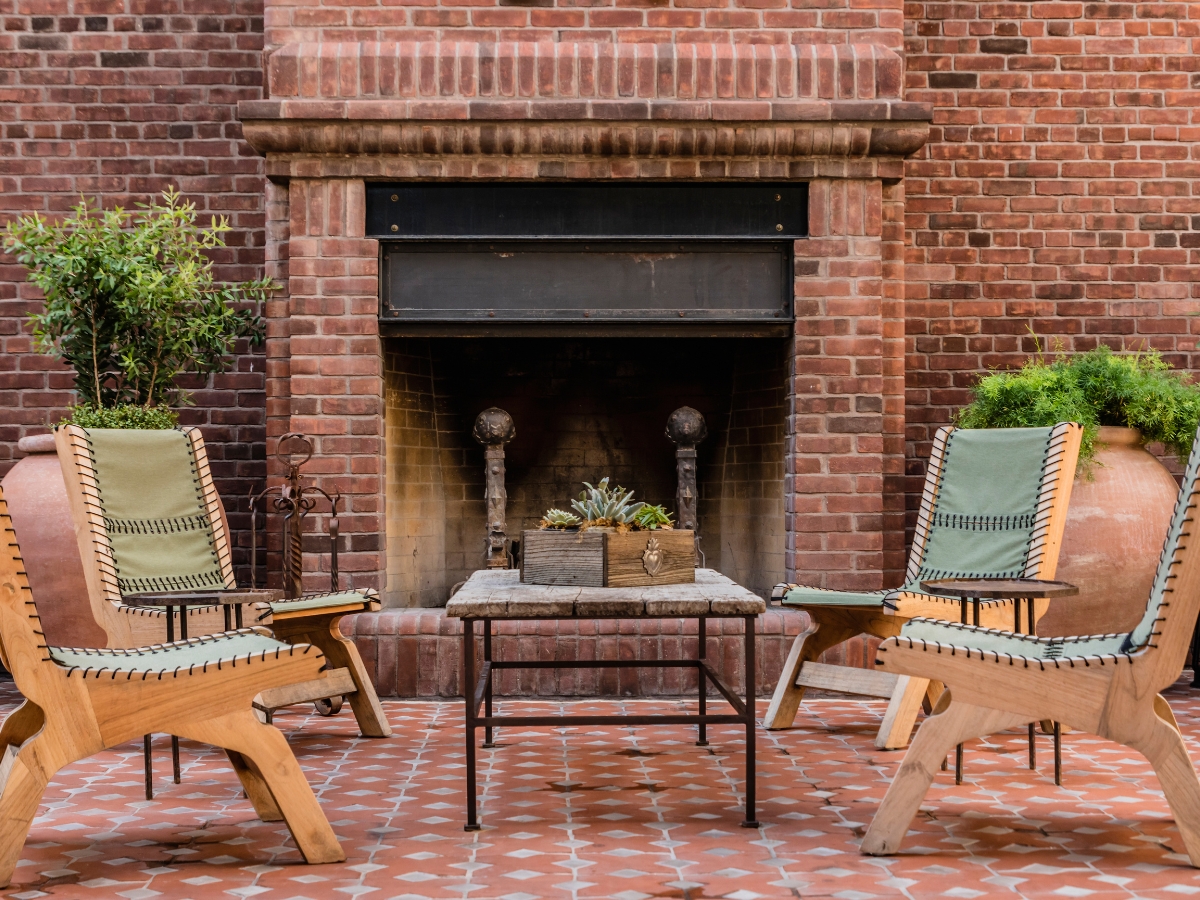
For many operators, the main question is not whether outdoor fire features in Atlanta look good, but whether they pay off. When planned well, they usually do. A fire pit, fireplace, or line of fire tables can turn an ordinary patio into seating that guests actually request, which adds usable covers and supports higher average checks. Warmer, more comfortable guests tend to stay for a second drink or dessert instead of heading home early, and that extra dwell time shows up directly in revenue reports.
These upgrades also influence how often a space is used. Heated patios stay active deeper into Atlanta’s shoulder seasons, so restaurants and hotels can run outdoor service for more evenings each week and more months each year. That extra capacity matters for events, too. Spaces with reliable heat are better suited for private parties, ticketed tastings, and seasonal gatherings that would otherwise move indoors or be cancelled. Over time, this expanded window for outdoor programming can help justify the initial capital outlay for outdoor fire features in Atlanta.
On the property side, a well-built fire feature reads as a true amenity, not a decoration. Prospective tenants see it as part of a larger effort to invest in guest experience. That perception supports stronger lease terms for food and beverage users who rely on patios and can make mixed-use or hospitality projects feel more competitive in a crowded market. Owners who track guest satisfaction, online reviews, and sales mix before and after installation are often able to show that the amenity has lifted both revenue and perceived value.
How Fire Features Improve Property Appeal And Leasing Potential
From a leasing perspective, fire elements are easy to understand and easy to show. A courtyard with a thoughtfully designed fireplace or a series of fire tables instantly feels more finished than a bare concrete pad with a few tables. When tenants walk the property, they can clearly see how they might program tastings, happy hours, and small events around the flame, rather than having to imagine how an empty patio might work.
For landlords, this is a simple story to tell. Outdoor amenities that support comfort and programming give hospitality, retail, and mixed-use tenants more tools to draw traffic and keep patrons on site. That, in turn, can support rent levels and reduce turnover, since tenants are less likely to leave a location that already has strong built-in advantages. Highlighting fire features in leasing materials, site plans, and tours helps distinguish the property from competitors that only offer basic outdoor seating.
Documenting actual usage helps build a long term case. Simple metrics like evening occupancy on the patio, length of stay, or bar sales on cooler nights can illustrate how the fire feature changes behavior. When paired with feedback from tenants or guests, this data gives owners and investors a concrete sense of how the amenity contributes to property performance and market positioning.
Marketing Advantages Of Inviting Outdoor Fire Features
Fire features also work quietly in the background as marketing tools. Guests naturally photograph and share spaces that feel warm and visually interesting, and a glowing fire pit or linear burner often becomes the backdrop for those images. Operators can lean into this by arranging seating to create clear, attractive views of the flame, adding subtle branding in sightlines, and encouraging visitors to tag the location when they post. Over time, this kind of organic content can increase local awareness without a large advertising spend.
Programming is another angle. Heated outdoor areas make it easier to promote recurring evening themes, seasonal menus, or limited capacity events during cooler months. A restaurant might build a weekly “fireside” special around small plates and drinks, while a hotel could host outdoor music nights or tasting events that rely on the comfort the feature provides. Email campaigns and social posts can then showcase real photos from these nights, reinforcing the idea that the venue is active and inviting even when temperatures dip.
Because the feature is already part of the physical space, these marketing efforts layer on top of an existing investment rather than requiring new infrastructure. As operators test different promotions and track response – reservations, ticket sales, social engagement, and reviews – they can refine what works and demonstrate that the fire feature is not just a nice-to-have, but a practical, revenue-supporting asset.
Frequently Asked Questions
What maintenance do commercial outdoor fire features require?
Regular maintenance keeps fire features safe and dependable. For gas and propane systems, schedule periodic inspections of lines, burners, and controls. Wood-burning features need routine ash removal and occasional chimney or flue cleaning. Seasonal checks for weather damage, component wear, and safe operation are important. A documented maintenance plan and regular inspections will prolong service life and keep the feature welcoming for guests.
How can businesses market their outdoor fire features effectively?
Showcase the atmosphere and experiences your fire features create. Share photos and short videos on social media, promote special evening menus or events centered on the heated space, and design Instagram-ready seating and photo spots. Partnering with local influencers or hosting community nights can increase visibility and turn the feature into a marketing asset that drives new and repeat visits.
What safety measures should businesses follow when using outdoor fire features?
Follow clear safety protocols: place features away from combustible materials, keep pathways and egress clear, and meet all local code clearances. Train staff on emergency procedures, keep fire extinguishers accessible, and run regular inspections to check for leaks or structural issues. Post simple usage guidance for guests and keep maintenance and inspection records on file.
Can outdoor fire features be used year-round in Atlanta?
Yes—properly designed gas or propane systems can be used year-round in Atlanta, and well-placed features extend outdoor comfort through fall, spring, and into mild winter evenings. Consider fuel choice, weather exposure, and any seasonal permitting or operational restrictions when planning year-round use.
What environmental considerations apply to outdoor fire features?
Gas and propane systems generally produce fewer particulates than wood-burning options. Choose energy-efficient burners and durable, sustainable materials where possible, and follow local air-quality rules. Regular maintenance and selecting lower-emission fuels help reduce environmental impact and keep the installation compliant with regulations.
How do outdoor fire features change customer behavior?
Fire features create inviting spaces that encourage guests to linger, socialize, and order more — which typically increases average spend. The visual and social appeal of a glowing fire also attracts new visitors and creates shareable moments that drive word-of-mouth and social engagement, increasing foot traffic and repeat business.
Conclusion
Integrating a custom fire feature into your commercial space is more than an aesthetic upgrade—it’s a strategic investment that creates a warm, inviting atmosphere where customers want to linger. At Glover Landscapes, we design and build elegant, durable fire pits, fireplaces, and tables that extend the usability of your outdoor area and enhance the overall customer experience. Ready to transform your business environment? Call (404) 510-6437 or visit our website for a free estimate on your commercial landscaping project. Let’s build a space that keeps clients coming back.